What it is
A ceremonial tobacco snuff, also called rapé, from Amazonian traditions, given through the nose.
Ancient ceremonial tobacco. Handle with deep respect.
At a glance
What it is
A ceremonial tobacco snuff, also called rapé, from Amazonian traditions, given through the nose.
Why explore it
People seek it for ceremony, focus, and grounding within Indigenous plant traditions.
How it’s experienced
A quiet ceremony where a practitioner applies it. Brief, strong effects are common.
Evidence context
Traditional use only. No clinical trials have tested rume for any health purpose.
See the evidence snapshotSafety
Higher risk. Strong nicotine content, so avoid with heart conditions, pregnancy, or nicotine dependence.
See staying safeHistory & Origin
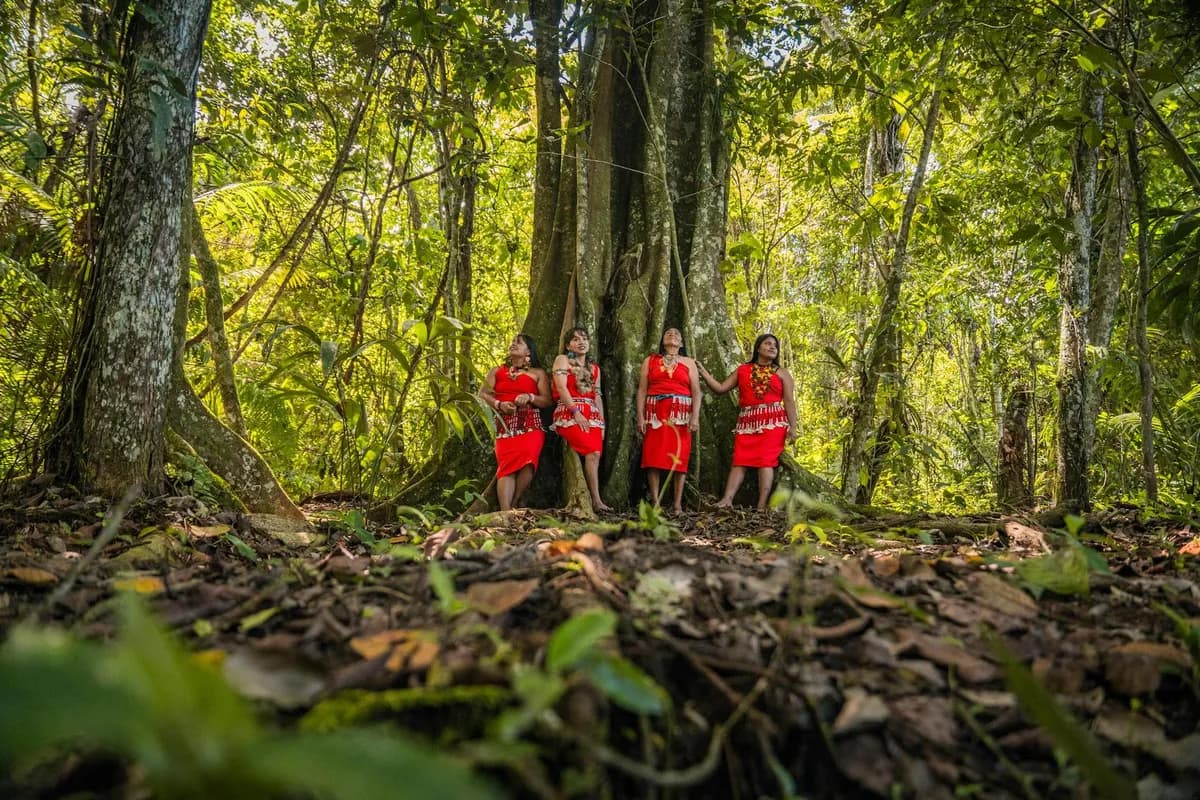
Rume, widely known as rapé (pronounced ha-PAY) or hapé, is a sacred, powdered tobacco snuff with deep roots in the ceremonial traditions of indigenous Amazonian peoples. Prepared from a blend of finely ground tobacco leaves, primarily Nicotiana rustica, a species significantly more potent than commercial tobacco, and various plant admixtures such as tree ash, seeds, and medicinal botanicals, rume has been used for centuries by tribes across Brazil and Peru as a tool for spiritual purification, ritual communion, and energetic clearing. It is administered by blowing the powder into each nostril through a V-shaped pipe called a tepi (when given by another person) or a kuripe (when self-administered), and is understood within its cultural framework to facilitate connection between participants and the natural or spiritual world.
It is essential to understand that rume is not a wellness product to be casually sampled. This is a potent, nicotine-containing substance with acknowledged addiction potential and significant physiological effects. Its use exists within a carefully bounded ceremonial context, guided by trained indigenous practitioners or, in some Western settings, facilitators with formal training in indigenous traditions. Outside of these structured containers, its use carries meaningful physical and psychological risks. Legal status also varies by jurisdiction, and individuals must verify applicable laws in their region before seeking out this practice.
For those drawn to plant medicine traditions and exploring rume through legitimate ceremonial channels, the experience is reported to be intense and clarifying, described by participants as grounding, purifying, or emotionally releasing. These are subjective, anecdotal accounts and do not constitute medical evidence. Gyfts presents this modality with the highest safety disclosure on our platform, and we strongly encourage anyone curious about rume to approach it with thorough research, respect for its cultural origins, and guidance from a qualified, experienced practitioner.
The use of tobacco snuffs in Amazonia is documented across dozens of indigenous nations, with evidence of ritualized plant preparation and administration spanning hundreds to thousands of years. Tribes including the Huni Kuin (Kaxinawá), Yawanawá, Nukini, and many others throughout Brazil and Peru have maintained traditions of preparing and sharing rume as a sacred communal practice, one passed down through lineages of healers, shamans, and elders. Different peoples use different names: rume (also spelled rumã) among Panoan-speaking groups such as the Huni Kuin, Yawanawá, and Shanenawa, and nu-nu for a distinct green tobacco snuff associated with groups such as the Matsés. Blends are often named for the sacred tree ash they contain, such as tsunu, murici, and paricá, and mapacho is the name used across South America for the Nicotiana rustica tobacco itself.
In these traditions, tobacco is not viewed as a vice or a recreational substance but as a powerful teacher plant with its own intelligence. The preparation of rume itself is considered ceremonial: specific plants are chosen and combined according to tribal knowledge systems, and the process may involve prayer, intention, and specific protocols that vary widely between tribes and lineages. The ash component, often derived from burned tree bark or medicinal plants, is understood to amplify the tobacco's properties and carry specific healing or protective qualities.
Rume began entering Western awareness in the late 20th and early 21st centuries alongside broader interest in Amazonian plant medicine traditions. This cultural transmission has generated significant ethical debate about appropriation, commercialization, and the risks of removing sacred practices from their cultural containers without adequate training, oversight, or community consent.
Mechanism
Rume is a nicotine-rich snuff blown into the nose in ceremony. The tradition describes cleansing and focus, and no clinical trials have tested it.
Your first visit
A typical session outline to help you feel prepared
Facilitators differ, and the practice belongs to Indigenous Amazonian traditions, but a first ceremony often follows the shape below. You can ask about any step before you attend.
The facilitator explains where the rume comes from, the people who use it, and how it was sourced and prepared.
You share any heart or blood pressure conditions, asthma or sinus problems, pregnancy, medications, and nicotine sensitivity, and the facilitator may advise against taking part.
You are told that rume contains strong tobacco, may be restricted in some places, and that saying no or stopping is always your choice.
The group may set intentions and practice slow breathing so you feel steady before beginning.
The facilitator blows a small measured amount into each nostril with a pipe, and many people describe a sharp burn, watering eyes, and nausea.
You sit quietly for 10 to 30 minutes while any purging passes, then drink water, and are advised not to drive until you feel steady and to seek medical help for chest pain or breathing trouble.
The evidence
An honest read on how Rume has been studied — an evidence tier and the research behind it, not a guarantee and not a ranking of “better.”
Rooted in traditional use, with growing research interest
The evidence base for rume is classified as traditional-use only.
The literature is ethnobotanical and anthropological, documenting how it is prepared and used in specific Amazonian Indigenous communities, so support rests on tradition.
These uses come from Indigenous Amazonian tradition and have not been tested in trials; it contains nicotine, so check with a clinician first.
Safety first
General guidance to help you decide whether this approach is appropriate for you. This is informational only and not a substitute for medical, psychological, or professional advice.
If you are pregnant, managing a health condition, recovering from injury or surgery, or taking medication, consult a qualified healthcare professional first.
Some situations call for extra care or a different approach. Share any conditions, injuries, or sensitivities with your practitioner before your first session.
Look for clear boundaries, transparent pricing, and practitioners who avoid fear-based claims or pressure to book frequent sessions.
Mild, short-lived effects such as tenderness, tiredness, or temporary soreness can occur. Rest, hydrate, and tell your practitioner how you respond.
For you?
A simple, human way to weigh it up. This is general guidance, not personal medical advice — a qualified practitioner can advise on your situation.
Gyfts is a discovery platform, not a medical provider. Nothing here diagnoses, treats or replaces professional care. In an emergency, contact your local emergency number.
Explore approaches
Other practices people often explore alongside rume.
In their words
Before you book
FAQ
The legal status of rume in the United States is complex and not uniformly defined at the federal or state level. Because it contains tobacco and nicotine, it may be subject to tobacco regulations, but specific legal frameworks vary. Individuals should consult legal counsel and verify local regulations in their jurisdiction before seeking out this practice. Gyfts does not provide legal advice.
Yes. Rume contains Nicotiana rustica, a tobacco species that may carry significantly higher nicotine concentrations than commercial tobacco products. Nicotine is a well-established addictive substance, and repeated use of rume carries a real risk of dependence. Anyone with a personal or family history of addiction should treat this risk with particular seriousness.
No. Rume is a distinct substance and practice. It does not contain DMT or any of the active compounds found in ayahuasca, though it may sometimes be used alongside other plant medicines in ceremony. Its primary active compound is nicotine, and its effects, risks, and cultural context are specific to its own tradition and preparation.
A rume ceremony usually takes place in a quiet, intentional setting, often outdoors or in a dedicated space, led by an experienced practitioner trained in the tradition's protocols. Before the snuff is given, you may be guided through grounding, intention-setting, or a short talk about what to expect physically and emotionally. Practitioner-led settings matter because rume is a potent, nicotine-rich preparation.
Rume is made with a very potent tobacco, so the main risks come from nicotine. These include nicotine toxicity, addiction, a raised heart rate and blood pressure, nausea, vomiting, and a risk of aspiration. Because of these risks, check with a doctor before considering it, especially if you have heart or blood pressure concerns, and confirm the legal status where you live.
Keep exploring
Browse practitioners, explore honest overviews, and take what you learn to a conversation — at your own pace.