What it is
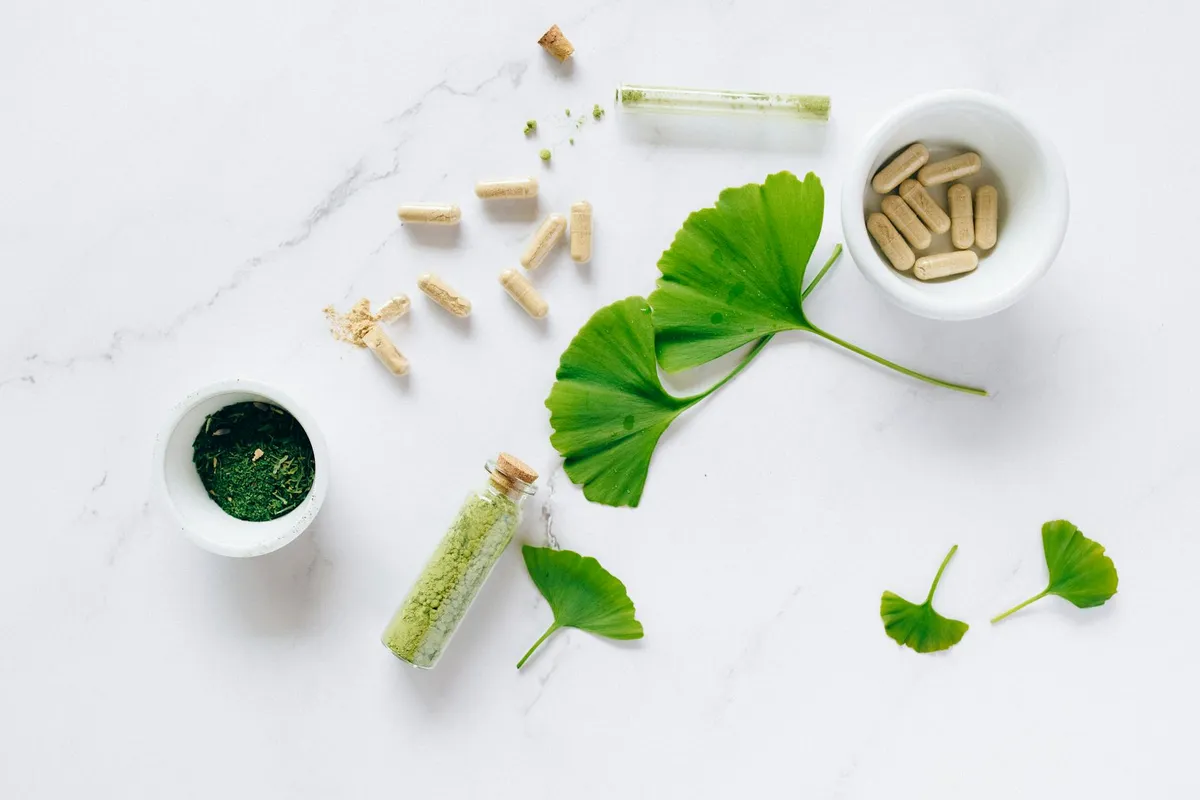
A Swiss-rooted system weaving herbs, water therapies, and diet into one time-honored tradition.
Europe''s oldest healing tradition — humoral wisdom, state-recognised, living practice.
At a glance
What it is
A Swiss-rooted system weaving herbs, water therapies, and diet into one time-honored tradition.
Why explore it
Supports digestion, immunity, and prevention through a personalized blend of herbs, water, and nutrition.
How it’s experienced
Sessions begin with a deep constitutional assessment, then move into herbal, hydro, and dietary care.
Evidence context
Centuries of tradition back this system; individual tools like herbs and hydrotherapy show promising research.
See the evidence snapshotSafety
Generally safe with guidance, though herbal remedies can interact with medications, so keep your doctor informed.
See staying safeHistory & Origin
Traditional European Naturopathy (TEN / Traditionelle Europäische Naturheilkunde) is a whole-system traditional medicine recognised in Switzerland as one of four complementary medicine systems alongside Ayurveda, TCM, and Homeopathy.
TEN represents Europe''s oldest indigenous medical tradition, tracing its lineage from Hippocrates (460–370 BCE) and Galen (129–216 CE) through medieval monastic medicine (Hildegard von Bingen, 12th century), Renaissance Paracelsian reform, and 19th-century naturopathic revival (Kneipp, Priessnitz, Bilz). While the Anglo-American naturopathic tradition (dating from Benedict Lust in the 1890s) became eclectic — incorporating homeopathy, chiropractic, and eventually functional medicine — European naturopathy maintained closer continuity with its humoral roots. In 2015, Switzerland formally recognised TEN as a distinct complementary medicine system within its federal examination structure (Eidgenössisches Diplom in Naturheilpraktik TEN), establishing it alongside TCM, Ayurveda, and Homeopathy as a state-regulated practice with defined training standards and scope of practice. This recognition made Switzerland the first country to formally distinguish TEN from generic naturopathy.
Mechanism
Traditional European Naturopathy is a broader health tradition or knowledge system rather than a single technique. Practitioners may draw on cultural teachings, observation, lifestyle guidance, ritual, remedies, bodywork, or community practice. Its working model should be described in its own traditional context and not overstated as biomedical proof. People may explore it for cultural continuity, reflection, and supportive wellbeing practices. TEN operates through the classical European humoral framework of four temperaments (sanguine, choleric, melancholic, phlegmatic) and four qualities (hot, cold, wet, dry).
Your first visit
A typical session outline to help you feel prepared
Your session blends centuries-old European healing wisdom with a thorough personal assessment, guiding you toward balance through herbal, dietary, and hands-on support.
You arrive and complete a detailed health history form covering your digestion, sleep, energy, and emotional patterns. The practitioner takes time to make you feel at ease before anything begins.
Your practitioner evaluates your temperament and constitutional type using traditional European frameworks such as the four humors or elemental typing. This shapes everything that follows in your plan.
The practitioner observes your tongue, skin tone, posture, and eyes, and may take your pulse or blood pressure. These classical signs help build a picture of your current vitality and imbalances.
Together you discuss your primary concerns and longer-term wellness goals. Your practitioner explains their findings in plain language and outlines the approaches they are considering for you.
Depending on your plan, you may receive a hydrotherapy application such as a warm compress or contrast footbath, or gentle hands-on bodywork to support circulation and nervous system tone.
Your practitioner walks you through personalized herbal remedy recommendations and dietary adjustments rooted in traditional European plant medicine and seasonal eating principles.
The session closes with a written summary of your recommendations covering herbs, foods, movement, and any self-care practices like cold water applications to continue at home.
The Evidence
What research and tradition tell us about Traditional European Naturopathy as a whole system and its individual components.
A recognised system with variable component-level evidence
TEN as an integrated system lacks clinical trial data, but several of its core components — European phytotherapy, hydrotherapy, and dietary medicine — have meaningful independent evidence bases. Switzerland formally recognises TEN based on established traditional practice.
European phytotherapy is documented through German Commission E monographs, which reflect expert-reviewed traditional use rather than clinical trial data. Kneipp hydrotherapy has moderate research support. Dietary medicine principles have a broad general evidence base, though TEN's specific dietary prescribing has not been independently validated. The humoral constitutional framework has not been scientifically validated. Evidence should be assessed therapy by therapy rather than for the system as a whole.
The tradition draws on Hippocrates, Galen, Hildegard von Bingen, Paracelsus, and Kneipp. Unlike Anglo-American naturopathy, which became eclectic, European naturopathy maintained closer continuity with its humoral roots. In 2015, Switzerland became the first country to formally recognise TEN as a distinct, state-regulated complementary medicine system.
Practitioners assess constitutional type using pulse, tongue, iris observation, and questioning, then apply herbs, hydrotherapy, dietary prescribing, and manual therapies to restore balance. This framework provides clinical coherence within the system but should not be understood as a scientifically validated assessment method.
European herbs and hydrotherapy carry low risk under qualified guidance. Herbal preparations may interact with medications — always inform your prescribing clinician. Practitioner regulation exists in Switzerland; standards vary internationally. TEN should complement, not replace, professional assessment for serious or complex health concerns.
In Switzerland, TEN practitioners qualify through a regulated federal examination structure with defined training requirements. In other countries, no equivalent standard exists. When seeking a TEN practitioner internationally, ask about training background, professional association membership, and how they coordinate with conventional healthcare providers.
TEN's value lies in applying individually supported therapies within a unified philosophical model. Because the humoral constitutional framework lacks diagnostic validity, it cannot substitute for clinical assessment of serious, acute, or rapidly changing conditions. TEN practitioners are not trained to diagnose or manage conditions requiring medical investigation. The system works best as part of a coordinated approach where scope boundaries are clearly understood and respected.
Safety first
General guidance to help you decide whether this approach is appropriate for you. This is informational only and not a substitute for medical, psychological, or professional advice.
Some situations call for extra care or a different approach. Share any conditions, injuries, or sensitivities with your practitioner before your first session.
If you are pregnant, managing a health condition, recovering from injury or surgery, or taking medication, consult a qualified healthcare professional first.
Look for clear boundaries, transparent pricing, and practitioners who avoid fear-based claims or pressure to book frequent sessions.
Mild, short-lived effects such as tenderness, tiredness, or temporary soreness can occur. Rest, hydrate, and tell your practitioner how you respond.
For you?
A simple, human way to weigh it up. This is general guidance, not personal medical advice — a qualified practitioner can advise on your situation.
Gyfts is a discovery platform, not a medical provider. Nothing here diagnoses, treats or replaces professional care. In an emergency, contact your local emergency number.
Explore approaches
Other practices people often explore alongside traditional european naturopathy.
In their words
FAQ
TEN is specifically grounded in classical European humoral medicine (Hippocrates, Galen, Paracelsus, Kneipp). Anglo-American naturopathy is more eclectic, incorporating homeopathy, chiropractic, and functional medicine. Switzerland formally distinguishes TEN as a separate traditional medicine system.
In Switzerland, yes — TEN practitioners can obtain a federal diploma (Eidgenössisches Diplom) through state-regulated examinations, alongside TCM, Ayurveda, and Homeopathy.
Sanguine (warm-moist), choleric (warm-dry), melancholic (cold-dry), and phlegmatic (cold-moist). These constitutional types guide treatment selection and dietary recommendations.
The integrated TEN system lacks clinical trials. Individual components (European herbal medicine, hydrotherapy, dietary medicine) have varying but sometimes substantial evidence bases.
TEN principles are practised by naturopaths across Europe, though the formal TEN designation and state recognition is Swiss-specific. European naturopaths in Germany, Austria, and France may practise similar approaches.
References
Educational sources that inform this overview. Inclusion is for context and does not imply endorsement.
Full citations are maintained by the Gyfts editorial team and reviewed periodically.
Keep exploring
Browse practitioners, explore honest overviews, and take what you learn to a conversation — at your own pace.