What it is
Indonesia's centuries-old herbal tradition using turmeric, ginger, and tamarind for daily wellness.
Indonesia''s living herbal wisdom — a thousand years of botanical healing, from village to laboratory.
At a glance
What it is
Indonesia's centuries-old herbal tradition using turmeric, ginger, and tamarind for daily wellness.
Why explore it
Jamu may support digestion, hormonal balance, and everyday vitality through time-honored Indonesian botanicals.
How it’s experienced
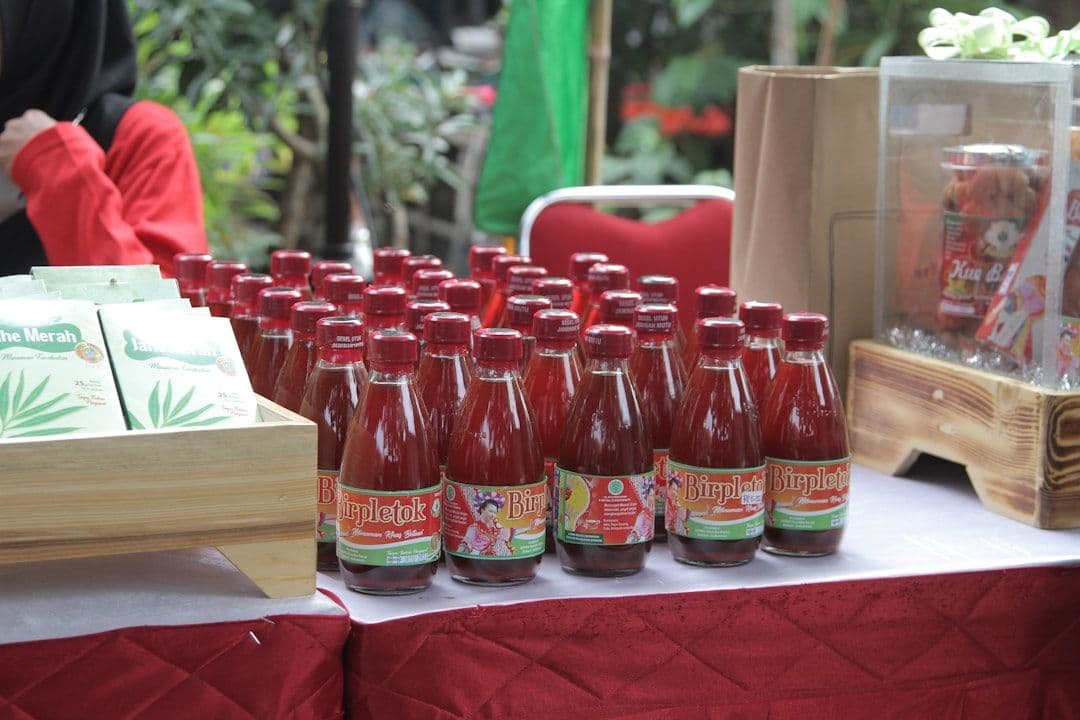
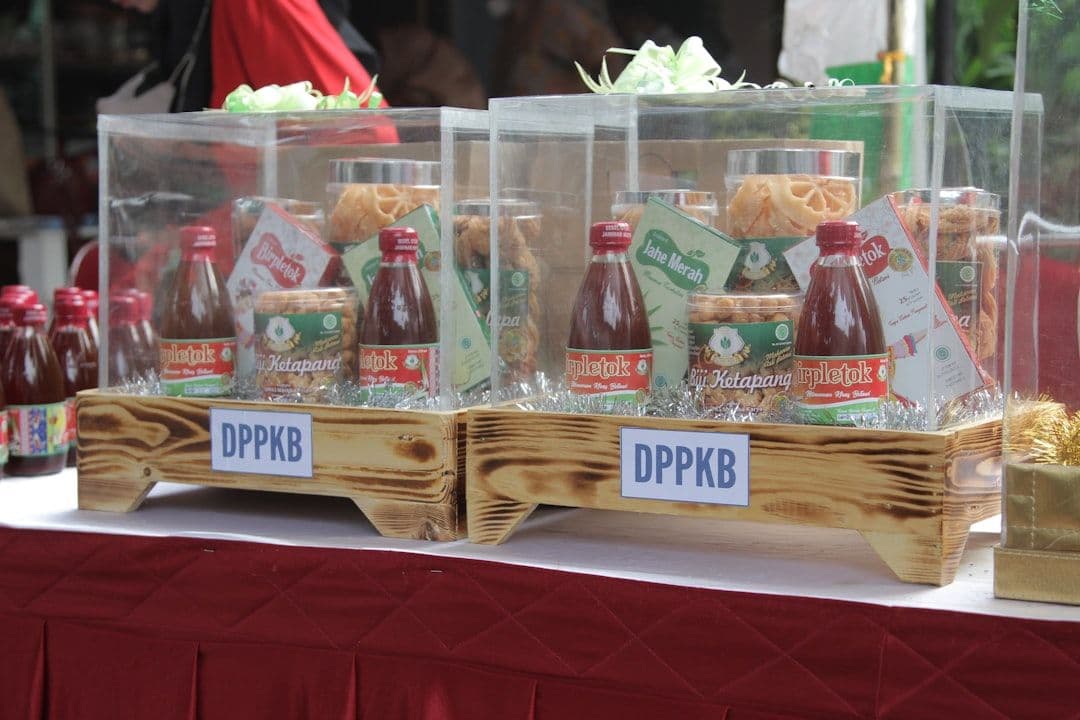
Enjoy jamu as a fresh vendor tonic, warm home brew, or convenient standardized powder or capsule.
Evidence context
Jamu is rooted in centuries of traditional use, with only early-stage research on individual herbs like turmeric.
See the evidence snapshotSafety
Generally safe from trusted sources; look for BPOM-registered products and consult a practitioner if on medications.
See staying safeHistory & Origin
Jamu is the traditional Indonesian system of herbal medicine, encompassing the preparation and use of plant-based remedies for health maintenance, disease prevention, and therapeutic treatment across the Indonesian archipelago.
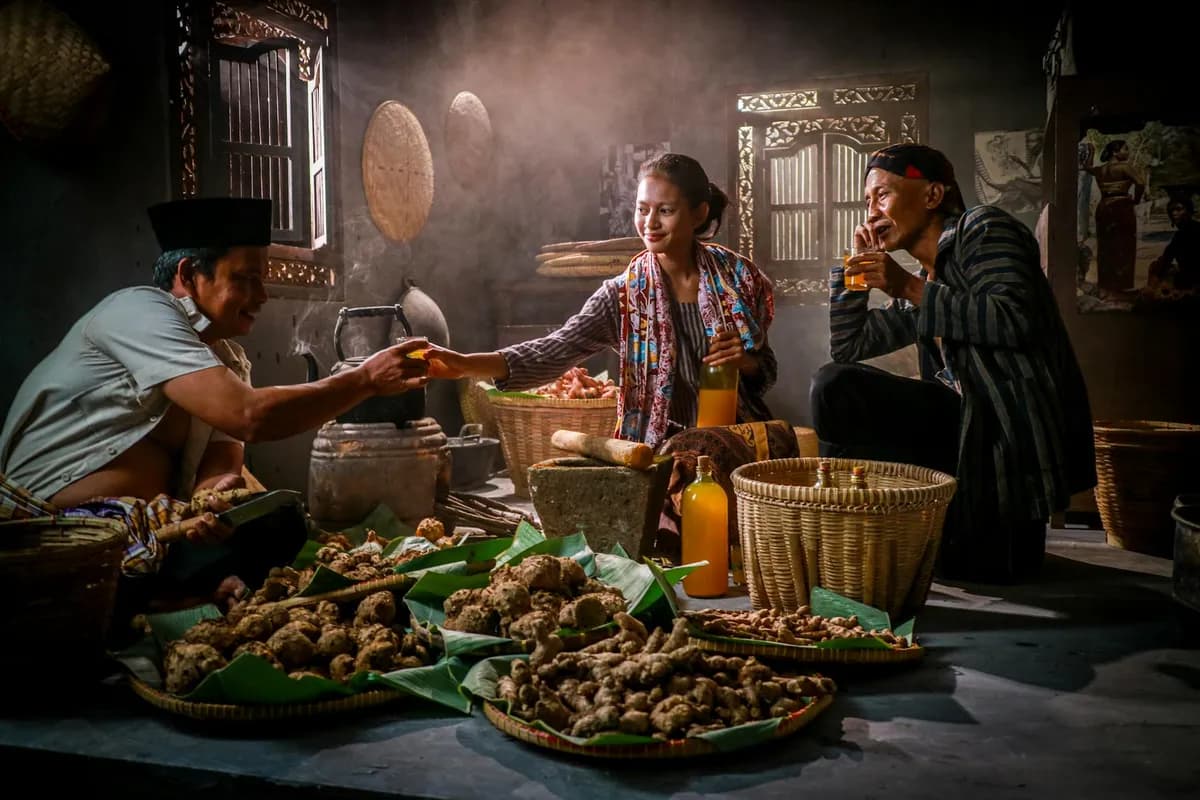
Jamu has been practised in the Indonesian archipelago for over a thousand years, with roots in both indigenous Austronesian plant knowledge and historical influences from Indian Ayurveda, Chinese medicine, and Arab-Islamic medicine carried along trading routes. The oldest recorded evidence comes from the Madhawapura relief on the Borobudur temple (9th century), depicting herbal preparation. The Javanese Serat Centhini manuscript (early 19th century) documents hundreds of traditional formulas. Jamu was traditionally prepared and distributed by jamu gendong sellers — typically women carrying bottles of freshly made herbal drinks on their backs, moving through neighbourhoods each morning. This practice continues across Indonesia today. During the 20th century, family-based Jamu production scaled into major Indonesian industries — companies such as Sido Muncul, Jamu Jago, and Air Mancur became household brands. In 2019, Indonesia''s Ministry of Education and Culture formally recognised Jamu as an Intangible Cultural Heritage. Indonesia''s BPOM has established a three-tier regulatory system for herbal medicines: Jamu (traditional use), OHT (standardised herbal medicine requiring pre-clinical evidence), and Fitofarmaka (phytomedicine requiring clinical trials).
Mechanism
Jamu is a broader health tradition or knowledge system rather than a single technique. Practitioners may draw on cultural teachings, observation, lifestyle guidance, ritual, remedies, bodywork, or community practice. Its working model should be described in its own traditional context and not overstated as biomedical proof. People may explore it for cultural continuity, reflection, and supportive wellbeing practices. Jamu operates through a holistic framework that views health as balance between the body''s hot and cold energies, influenced by diet, activity, environment, and emotional state.
Your first visit
A typical session outline to help you feel prepared
A Jamu session blends an intimate health conversation with freshly prepared herbal drinks tailored just for you, rooted in centuries of Indonesian botanical wisdom.
You'll be greeted warmly and asked to share what's brought you in, whether it's low energy, digestive sluggishness, hormonal shifts, or general wellness. The practitioner may hand you a simple intake
The practitioner observes your overall appearance, skin tone, and energy, and may gently check your pulse in the traditional Jamu way to understand your body's balance. This helps them determine your
Expect focused questions about your digestion, sleep, menstrual cycle if applicable, and stress levels, as Jamu philosophy ties all of these together. This conversation usually takes about ten to fift
Based on your assessment, the practitioner selects fresh roots, spices, and botanicals from their preparation area. You might see whole turmeric, ginger, galangal, tamarind, or kencur being chosen spe
Your Jamu is prepared right in front of you, typically by grinding, pressing, or simmering the selected botanicals into a liquid. The aroma of warm spices filling the space is part of the experience,
You'll receive one or more small cups to drink, often in sequence, and the practitioner will guide you on how to sip and what sensations to notice. Flavors range from earthy and bitter to warming and
The practitioner may suggest complementary Jamu blends to continue at home, along with dietary adjustments or lifestyle tips rooted in Indonesian herbal tradition. You might leave with a prepared bott
You'll be advised to drink plenty of water after your session and to notice how your body responds over the following day or two. Many people feel a gentle shift in energy or digestion within twenty-f
The Evidence
What research and traditional knowledge tell us about this Indonesian herbal system — and where the evidence is still developing.
Rooted in centuries of practice; clinical evidence is still emerging
Jamu has a well-documented traditional foundation spanning over a thousand years. Scientific evidence for specific formulations is limited but growing, with some ingredients like turmeric and ginger having strong independent research bases.
Key Jamu botanicals — turmeric, ginger, and galangal — have substantial independent research. However, evidence for traditional multi-ingredient Jamu formulations as actually used is sparse. Indonesia's BPOM has approved a small number of Jamu-based phytomedicines (Fitofarmaka) that have completed clinical trials, covering areas such as osteoarthritis and digestive health.
Practised across Indonesia's 17,000+ islands and 300+ ethnic groups, Jamu encompasses a vast range of formulations and preparation methods. From freshly made jamu gendong drinks to standardised commercial products, the system spans household remedies to regulated phytomedicines. This diversity reflects deep cultural knowledge but also makes uniform scientific evaluation challenging.
Evidence of herbal preparation appears in Borobudur temple reliefs (9th century), and hundreds of formulas are recorded in the Javanese Serat Centhini manuscript. Jamu was formally recognised as Indonesian Intangible Cultural Heritage in 2019. Its longevity reflects sustained community trust, though historical use alone does not confirm clinical efficacy.
Regulatory testing has found some commercial Jamu products containing undeclared pharmaceutical ingredients, including analgesics and corticosteroids — a significant concern. Environmental contamination with heavy metals has also been reported. Herb-drug interactions are possible, particularly with anticoagulants. Pregnant individuals should seek qualified advice before use. BPOM-classified Fitofarmaka products offer the highest safety assurance within the system.
The sheer variety of formulations across Indonesia's regions means 'Jamu' covers a wide spectrum of practices and products — not a single standardised intervention. Most clinical research focuses on isolated ingredients rather than traditional combinations. Evidence gaps should not be read as evidence of ineffectiveness, but inflated outcome claims should be viewed with caution.
A practitioner experienced in Jamu or Indonesian herbal medicine can help identify appropriate formulations and reputable sources. If you are taking prescribed medicines, managing a chronic condition, or are pregnant, discuss Jamu use with a qualified health professional before starting. Gyfts does not replace professional assessment or personalised care.
Safety first
General guidance to help you decide whether this approach is appropriate for you. This is informational only and not a substitute for medical, psychological, or professional advice.
Some situations call for extra care or a different approach. Share any conditions, injuries, or sensitivities with your practitioner before your first session.
If you are pregnant, managing a health condition, recovering from injury or surgery, or taking medication, consult a qualified healthcare professional first.
Look for clear boundaries, transparent pricing, and practitioners who avoid fear-based claims or pressure to book frequent sessions.
Mild, short-lived effects such as tenderness, tiredness, or temporary soreness can occur. Rest, hydrate, and tell your practitioner how you respond.
For you?
A simple, human way to weigh it up. This is general guidance, not personal medical advice — a qualified practitioner can advise on your situation.
Gyfts is a discovery platform, not a medical provider. Nothing here diagnoses, treats or replaces professional care. In an emergency, contact your local emergency number.
Explore approaches
Other practices people often explore alongside jamu.
In their words
FAQ
Jamu is Indonesia''s traditional herbal medicine system, using locally sourced tropical plants to prepare fresh tonics, powders, and decoctions for health maintenance and therapeutic use. It has been practised for over a thousand years across the Indonesian archipelago and is part of the daily health routine for millions of Indonesians.
Turmeric (kunyit), ginger (jahe), tamarind (asam jawa), galangal (lengkuas), Javanese turmeric (temulawak), betel leaf (sirih), rice flour with kaempferia (beras kencur), and numerous locally endemic plants. Formulations vary widely across Indonesia''s 17,000+ islands.
Traditional fresh preparations from trusted sources generally carry low risk. However, some commercial Jamu products have been found to contain undeclared pharmaceutical ingredients, so purchasing from reputable, BPOM-registered manufacturers is important. Herb-drug interactions are possible.
Individual Jamu ingredients like turmeric and ginger have strong independent research bases. However, traditional multi-ingredient Jamu formulations as actually used lack controlled clinical trials. Indonesia''s regulatory system is incentivising evidence generation through its three-tier classification.
A jamu gendong seller is a traditional itinerant herbalist — typically a woman — who prepares fresh Jamu drinks each morning and carries them in bottles through the neighbourhood, recommending specific preparations based on customers'' symptoms and health goals. This practice continues across Indonesia today.
No. While Jamu has been influenced by both Ayurveda and Chinese medicine through historical trade routes, it is a distinct system with its own materia medica (primarily Southeast Asian botanicals), preparation methods, and cultural framework. It is specifically Indonesian in origin and practice.
Jamu products are increasingly available internationally through Indonesian grocery stores and online retailers. However, the traditional jamu gendong experience of freshly prepared tonics is largely limited to Indonesia. Look for BPOM-registered products for quality assurance.
References
Educational sources that inform this overview. Inclusion is for context and does not imply endorsement.
Full citations are maintained by the Gyfts editorial team and reviewed periodically.
Keep exploring
Browse practitioners, explore honest overviews, and take what you learn to a conversation — at your own pace.