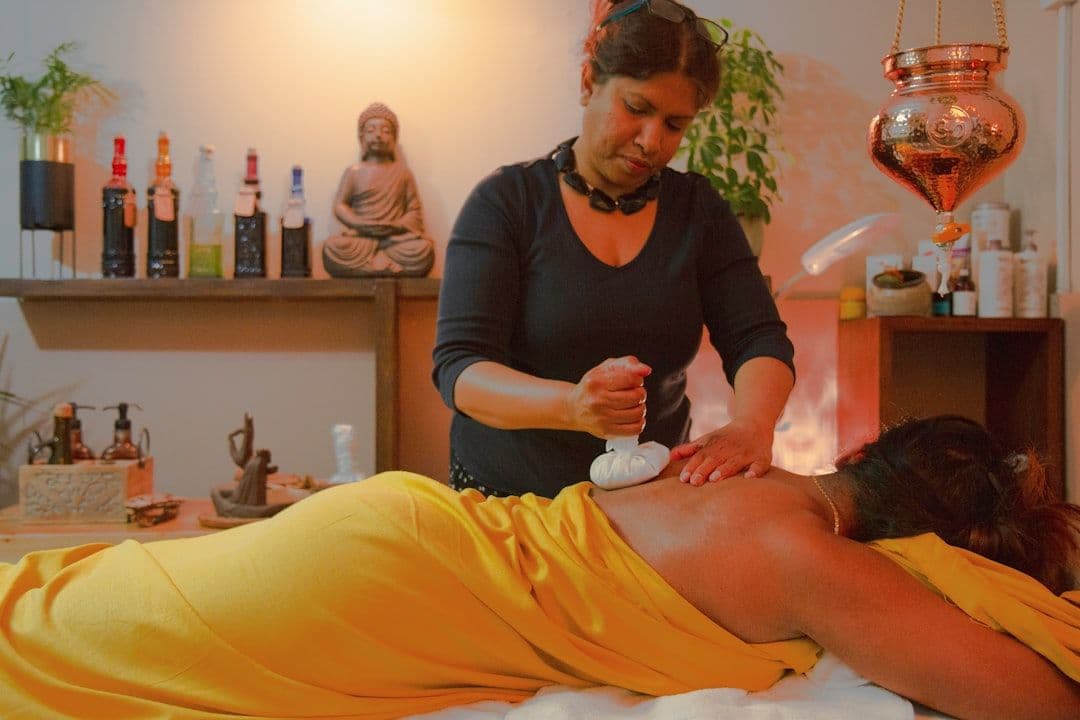
What it is
Sound frequencies from bowls, forks, and gongs are used to promote calm and balance.
Vibrational Therapy uses specific frequencies, sound, music, and other vibrations to promote healing across body, mind, and spirit by cre...
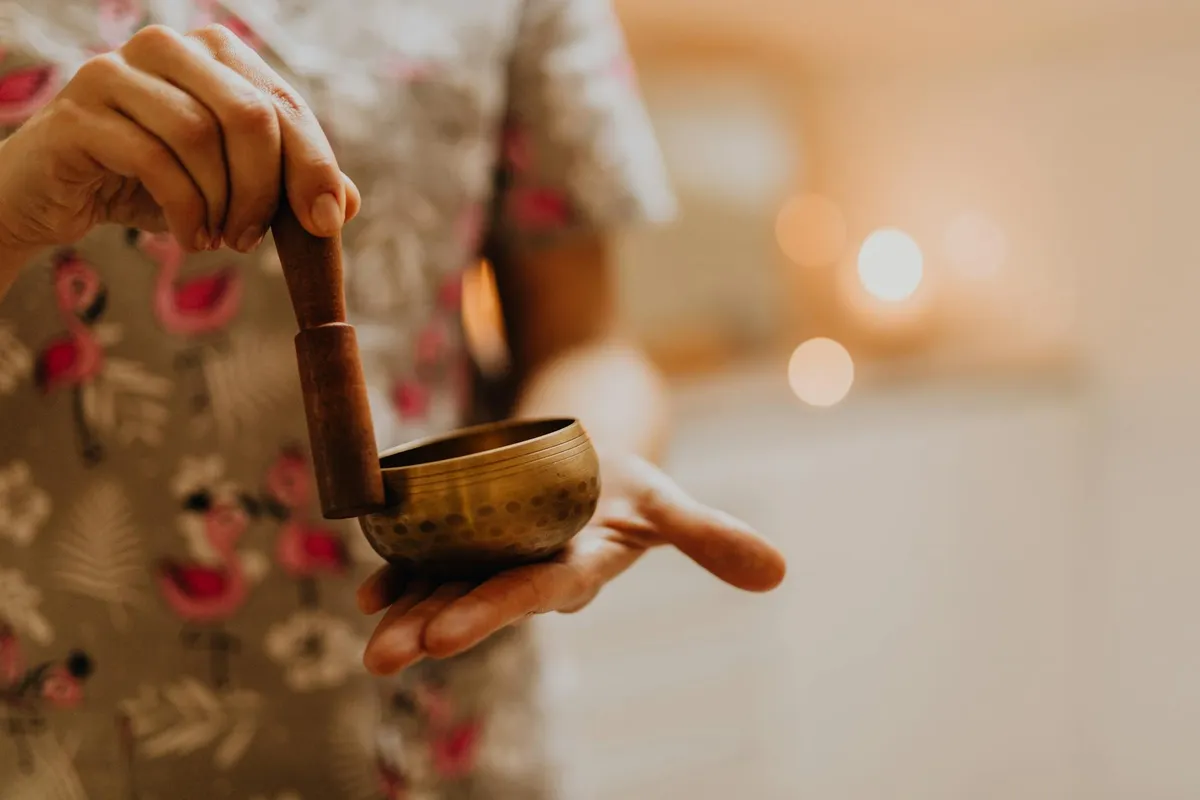
At a glance
What it is
Sound frequencies from bowls, forks, and gongs are used to promote calm and balance.
Why explore it
It offers a gentle, ancient approach that may ease anxiety and deepen your meditation practice.
How it’s experienced
You may feel soothing vibrations, warmth, or deep calm as sound is played near or on your body.
Evidence context
Research is limited, so personal experience and self-reported benefits remain the primary guide.
See the evidence snapshotSafety
Generally safe, but consult your doctor first if you have a pacemaker or implanted device.
See staying safeHistory & Origin
Vibrational Therapy utilizes specific frequencies and vibrations to promote healing and well-being in the body, mind, and spirit.
Vibrational therapy draws on ancient healing traditions that recognized the therapeutic power of sound and vibration. Cultures worldwide—from Tibetan singing bowls in Buddhism to didgeridoo use in Aboriginal Australian medicine to Gregorian chanting in Christian monasteries—have long understood that specific frequencies affect human physiology and consciousness. The modern systematic exploration of vibrational therapy gained momentum in the 20th century as researchers like Hans Jenny investigated cymatics (the study of visible sound vibration) and Dr. Royal Rife experimented with frequency-based approaches to wellness.
The field expanded significantly during the holistic health movement of the 1970s and 1980s, when practitioners began integrating crystal healing, sound baths, and Hertzian frequency work into complementary wellness practices. Key contributors include Jonathan Goldman, who developed the concept of "healing sounds" and frequency-specific research, and Masaru Emoto, whose water crystal experiments suggested that vibrations and intentions affect matter. The emergence of neuroscience research demonstrating that sound and vibration influence the nervous system has lent additional credibility to these practices.
Today, vibrational therapy encompasses diverse applications: sound baths using Tibetan and crystal bowls, tuning fork therapy, binaural beats, chakra-frequency alignment, and crystal resonance work. The modality has become increasingly mainstream in wellness centers, yoga studios, and complementary health clinics worldwide, though practitioners and practitioners vary significantly in their approaches and theoretical frameworks.
Mechanism
Vibrational Therapy is generally framed as a guided process for attention, reflection, learning, and emotional integration. Depending on the method, a practitioner may use conversation, imagery, structured exercises, body awareness, or therapeutic techniques to help the person explore patterns and choices. It should not be presented as a standalone solution or a substitute for urgent care, but it may support self-understanding when practiced within an appropriate scope. Vibrational therapy operates on the premise that the human body, like all matter, vibrates at specific frequencies, and that exposure to therapeutic frequencies can influence cellular function and energetic states.
Your first visit
A typical session outline to help you feel prepared
A vibrational therapy session uses sound and resonant tools to invite deep relaxation and energetic balance, leaving many people feeling calmer and more centered.
Your practitioner greets you and asks about your intentions, any areas of tension, and how you've been feeling emotionally and physically so the session can be tailored to you.
You'll briefly discuss any sensitivities, medical devices like pacemakers, or conditions that may influence which tools or frequencies are used, ensuring the session feels safe and appropriate.
You lie fully clothed on a padded table in a softly lit, quiet room. Loose, comfortable clothing works best, and a light blanket is usually offered to help you relax completely.
The practitioner may guide you through a few slow breaths to help you settle, allowing your nervous system to shift into a receptive, calm state before any tools are introduced.
Singing bowls, tuning forks, or crystal tools are gently activated near or on the body. You may feel subtle tingling, warmth, or a gentle hum moving through your chest or limbs.
The practitioner moves through different areas of the body, pausing where tension or imbalance seems present. Sound waves and vibrations wash over you in slow, intentional waves throughout this phase.
Toward the end, instruments grow quieter and are set aside. You rest in silence for a few minutes, allowing the vibrations to settle and your body to absorb the experience fully.
Your practitioner gently brings you back, shares observations, and encourages you to drink plenty of water and rest if possible, as many people notice shifts in mood or energy over the next day or two.
The Evidence
What research and tradition tell us about vibrational therapy — and where the evidence is still developing.
Ancient roots, emerging science, significant gaps
Vibrational therapy has deep roots across many cultures and is widely used for relaxation and wellbeing. Scientific evidence for specific mechanisms remains limited, with most research small-scale and mixed in quality.
Peer-reviewed studies on sound and music suggest possible reductions in stress markers like cortisol and improvements in sleep quality. However, most studies on specific tools — singing bowls, tuning forks, binaural beats — are small, short-term, and lack independent replication. Claims about specific healing frequencies or energy balancing have not been validated in rigorous clinical trials.
Tibetan singing bowls, Aboriginal Australian didgeridoo, Gregorian chanting, and Vedic mantra practices all reflect a long-standing recognition that sound and vibration influence human experience. These traditions developed independently across continents, suggesting a broadly shared intuition about sound's role in wellbeing — even if the explanatory frameworks differ from modern science.
Practitioners often work across physical, emotional, and sometimes spiritual dimensions simultaneously. Sessions may be used alongside other holistic or complementary approaches to support relaxation, emotional processing, or mindfulness. This whole-person orientation is consistent with the holistic category, though it also means outcomes can be difficult to isolate or measure in conventional research settings.
The idea that specific frequencies directly restore cellular or energetic coherence lacks robust mechanistic support. Benefits reported by practitioners and clients may reflect relaxation responses, expectation effects, or the therapeutic value of focused attention — rather than frequency-specific action. Inflated outcome claims should be viewed with caution, and this modality is not a substitute for professional assessment of health concerns.
People with implanted electronic devices such as pacemakers, severe epilepsy, or recent surgery should consult a doctor before participating. Those with serious mental health conditions or high-risk pregnancies should also seek medical advice first. For most healthy adults, sessions are considered low-risk when delivered by a trained practitioner in an appropriate setting.
There is no single internationally recognised accreditation for vibrational therapy. Look for practitioners who are transparent about their training, do not make inflated outcome claims, and who encourage you to maintain care with your regular health providers. A reputable practitioner will not suggest this modality as a replacement for professional assessment or ongoing medical care.
Safety first
General guidance to help you decide whether this approach is appropriate for you. This is informational only and not a substitute for medical, psychological, or professional advice.
If you are pregnant, managing a health condition, recovering from injury or surgery, or taking medication, consult a qualified healthcare professional first.
Some situations call for extra care or a different approach. Share any conditions, injuries, or sensitivities with your practitioner before your first session.
Mild, short-lived effects such as tenderness, tiredness, or temporary soreness can occur. Rest, hydrate, and tell your practitioner how you respond.
Look for clear boundaries, transparent pricing, and practitioners who avoid fear-based claims or pressure to book frequent sessions.
For you?
A simple, human way to weigh it up. This is general guidance, not personal medical advice — a qualified practitioner can advise on your situation.
Gyfts is a discovery platform, not a medical provider. Nothing here diagnoses, treats or replaces professional care. In an emergency, contact your local emergency number.
Explore approaches
Other practices people often explore alongside vibrational therapy.
In their words
FAQ
You relax in a comfortable position while the practitioner uses tools such as singing bowls, tuning forks, crystals, or sound frequencies to create harmonic vibrations. These vibrations are thought to interact with your body's energy field, promoting relaxation and balance. Sessions typically last 30–60 minutes, and most people report feeling deeply relaxed and peaceful afterward.
Results vary individually. Many practitioners recommend a series of 4–6 initial sessions (weekly or bi-weekly) to allow your system to attune, followed by periodic maintenance sessions. Some people notice benefits immediately, while others experience cumulative effects over time. Your practitioner can assess your progress and recommend ongoing frequency.
Research on vibrational therapy is emerging and mixed. Some studies support the relaxation and stress-reducing effects of sound therapy and music. However, claims about energy balancing and specific frequency healing lack robust clinical evidence. Vibrational therapy is best viewed as a complementary wellness practice rather than a proven medical treatment.
Vibrational therapy is not a substitute for medical diagnosis or treatment. While some people report symptom relief and improved wellbeing, this modality should complement conventional care. Always consult your healthcare provider if you have a diagnosed medical condition, and do not delay necessary medical treatment.
Vibrational therapy is generally considered low-risk when practiced by qualified practitioners. Some people may feel temporarily emotional, dizzy, or fatigued after a session—usually passing within hours. However, certain frequencies or sound levels should be avoided if you have epilepsy, implanted devices, or certain heart conditions. Always inform your practitioner of your health history.
Practitioners use various tools and approaches: sound baths with singing bowls create immersive vibrations; tuning forks target specific acupressure points; crystal healing uses mineral resonances; and binaural beats use auditory frequencies to influence brainwave states. Each approach has its own philosophy and theoretical framework, though all aim to create harmonic resonance. Your choice may depend on personal preference and the practitioner's specialty.
Yes, many people use recordings of sound baths, binaural beats, or affirmations with frequencies at home for relaxation. However, working with a trained practitioner allows for personalized assessment and targeted application. If using home recordings, start with shorter sessions and ensure you source them from reputable practitioners or apps.
Gentle, non-invasive vibrational therapy is often considered safe during healthy pregnancies. However, if you have a high-risk pregnancy or complications, consult your obstetrician first. Avoid intense or prolonged sessions, and inform your practitioner of your pregnancy so they can adjust their approach.
References
Educational sources that inform this overview. Inclusion is for context and does not imply endorsement.
Full citations are maintained by the Gyfts editorial team and reviewed periodically.
Keep exploring
Browse practitioners, explore honest overviews, and take what you learn to a conversation — at your own pace.