What it is
The Yoruba tradition encompasses healing, divination, and spiritual practices of the Yoruba people of West Africa, carried through the diaspora into the Americas.
West African healing and divinatory traditions of the Yoruba people, including Ifá divination, herbal knowledge, and ancestral practice.
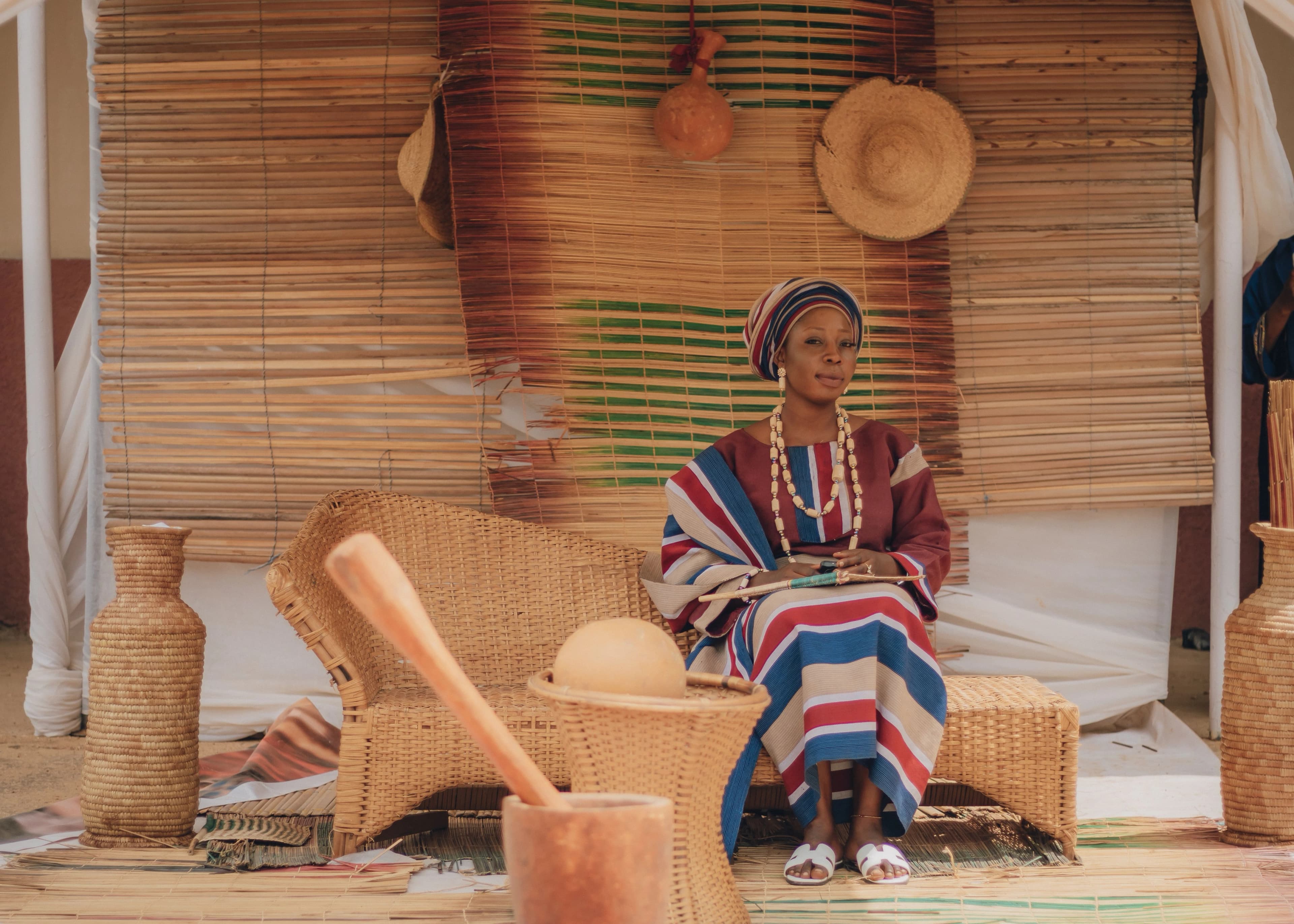
At a glance
What it is
The Yoruba tradition encompasses healing, divination, and spiritual practices of the Yoruba people of West Africa, carried through the diaspora into the Americas.
Why people explore it
How it’s experienced
A traditional consultation is typically an extended, unhurried engagement between the seeker and a practitioner — often a babalawo for divination-based work, or an oníṣègùn for more direct herbal care.
Safety
Typical risk: Low
See staying safeHistory & Origin
The healing and divinatory traditions of the Yoruba people of West Africa, centred in present-day Nigeria, Benin and Togo, and carried into the Americas through the diaspora. The tradition encompasses divination, herbal knowledge, ancestral practice, and the veneration of orisha, with knowledge transmitted through trained initiates over long apprenticeships.
Yoruba traditional healing is a comprehensive medical and spiritual system originating with the Yoruba people of southwestern Nigeria, with roots that extend across the diaspora into the Americas and the Caribbean. Its philosophical foundations trace back to Ifá cosmology and the city of Ile-Ife, regarded as the spiritual cradle of Yoruba civilization. According to oral tradition and the Odù Ifá — the tradition's sacred literary corpus — the deity Ọ̀rúnmìlà is associated with wisdom, foresight, and divination, while Ọ̀sanyìn is associated with the knowledge of plants (ewe) and their healing properties. This knowledge has historically been preserved and passed down through generations of apprenticeship, with herbalists (oníṣègùn) and diviner-priests (babalawo or iyanifa) training for years to study plant, animal, and mineral properties alongside the Ifá corpus.
The evidence
An honest read on how Yoruba Tradition has been studied — an evidence tier and the research behind it, not a guarantee and not a ranking of “better.”
Yoruba Tradition is a West African spiritual practice; Ifá divination is cultural guidance rooted in Yoruba cosmology; requires practitioner trained within tradition; not a medical evidence claim.
See History & origin above for the full account.
Safety first
General guidance to help you decide whether this approach is appropriate for you. This is informational only and not a substitute for medical, psychological, or professional advice.
If you are experiencing severe distress, suicidal thoughts, psychosis, acute trauma, or another serious mental health concern, seek qualified support first.
This approach is not suitable for diagnosis, treatment instructions, or decisions that require medical, legal, financial, or professional advice.
Look for clear boundaries, transparent pricing, and practitioners who avoid fear-based claims or pressure to book frequent sessions.
Treat any insight as one reflective perspective, not absolute truth. Important decisions should be considered with appropriate professional support.
For you?
A simple, human way to weigh it up. This is general guidance, not personal medical advice — a qualified practitioner can advise on your situation.
Gyfts is a discovery platform, not a medical provider. Nothing here diagnoses, treats or replaces professional care. In an emergency, contact your local emergency number.
Explore approaches
Other practices people often explore alongside yoruba tradition.
Before you book
Keep exploring
Browse practitioners, explore honest overviews, and take what you learn to a conversation — at your own pace.