What it is
An umbrella for many distinct, living health and healing knowledge systems of Indigenous peoples.
An umbrella for the many distinct, living health and healing knowledge systems of Indigenous peoples, each held by its own communities and protocols
At a glance
What it is
An umbrella for many distinct, living health and healing knowledge systems of Indigenous peoples.
Why explore it
Some seekers want to learn respectfully, and Indigenous people may wish to reconnect with their own knowledge.
How it’s experienced
Relational and unhurried, shaped by each community, and sometimes open only to community members.
Evidence context
Based on long community use and qualitative research, not trials. No evidence claims are made.
See the evidence snapshotSafety
Main risks are cultural and ethical. Some practices have physical risks, so tell your doctor.
See staying safeHistory & Origin
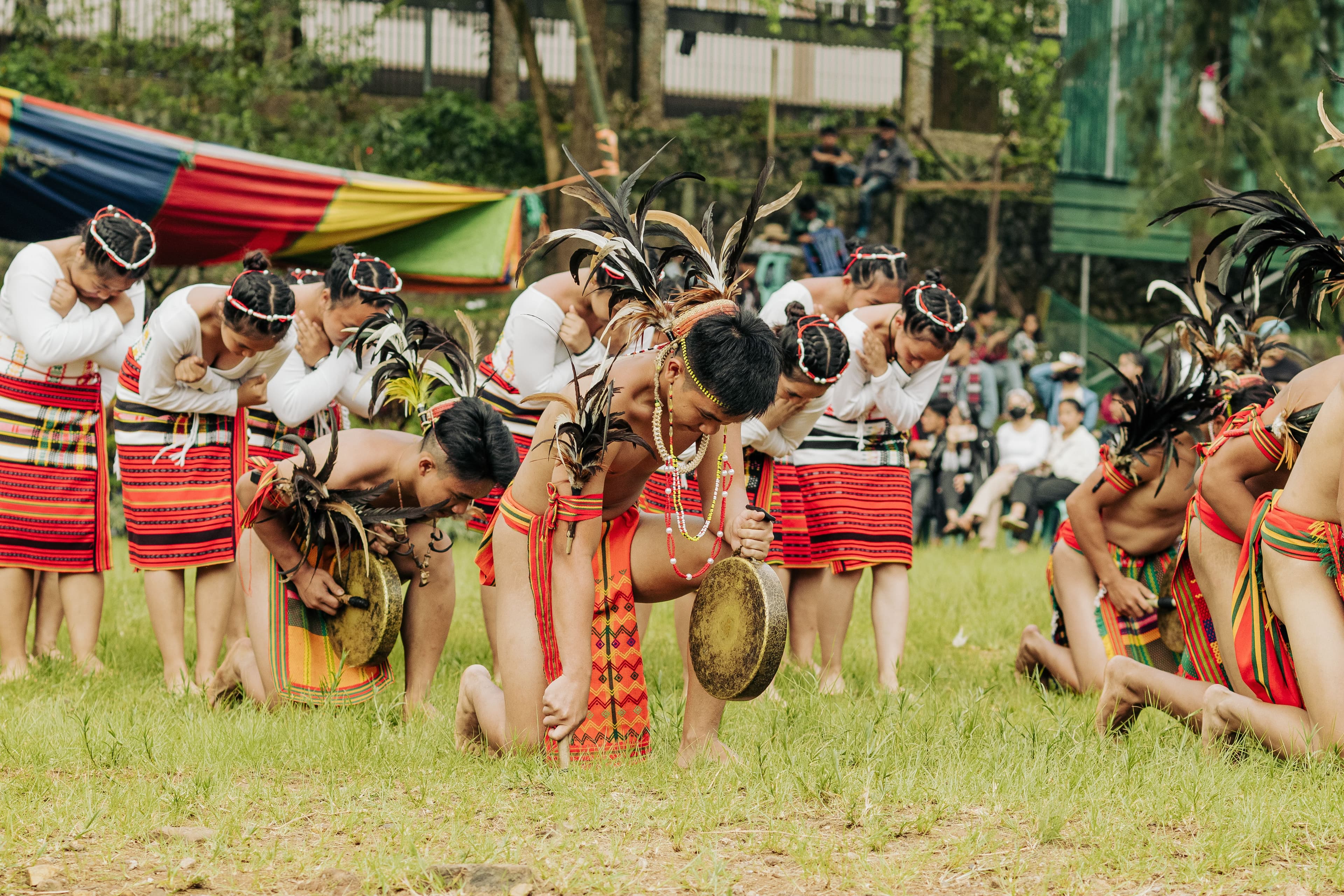
Indigenous traditions is not a single practice or belief system. It is an umbrella for the many distinct knowledge systems through which Indigenous peoples around the world understand and care for health and wellbeing. Each one belongs to specific peoples and places, and each has its own language, law, ceremonies, plant and land knowledge, stories, and roles for people who hold and share that knowledge. What looks similar from the outside, such as ceremony, storytelling, or plant medicine, is understood very differently within each community.
These traditions are living, not historical. Many were suppressed under colonial rule and have been maintained, rebuilt, and renewed by communities, often at great cost. Questions of who may practice, who may share, and what may be shared with outsiders are decided by the community, and protocols differ from one people to the next. That is why this page does not describe a standard method, and why generic labels that lump together very different peoples, such as shaman or medicine man, are best avoided unless a community uses them for itself.
Browse this family through specific practice pages and, where you can, through Indigenous-led organizations and community sources. Evidence for these traditions is not measured mainly by clinical trials, which were designed for other purposes, but by long community use, Indigenous research, and qualitative study. They are best approached with respect, patience, and fair payment, and as a complement to, not a replacement for, medical care.
There is no single Indigenous tradition. Indigenous is a political and legal term that came into wide use through international organizing in the second half of the twentieth century, and it describes the original peoples of lands from the Arctic to the Pacific, each with its own language, law, and ways of caring for health. The International labor Organization estimates that roughly 476 million Indigenous people live in about 90 countries. Their healing knowledge is local: held by particular families, communities, and people with recognized roles, such as the ngangkari of Central Australia, rongoā practitioners in Aotearoa New Zealand, or sangomas in southern Africa. Many practices are tied to specific places, plants, ceremonies, and seasons.
Colonization disrupted this knowledge. In many countries, laws and policies banned ceremonies, removed children from families, suppressed languages, and restricted healers. Canada's Indian Act, for example, prohibited the potlatch and other ceremonies from 1884 until 1951. Indigenous communities have kept, rebuilt, and renewed many practices. In 2007 the United Nations General Assembly adopted the Declaration on the Rights of Indigenous Peoples, which affirms in Article 24 the right to traditional medicines and health practices and in Article 31 the right to maintain, control, and protect cultural heritage and traditional knowledge. A 2022 scoping review of Indigenous healing in Canadian primary care found that integration was more likely when it was led by or built with Indigenous communities, though it did not evaluate effectiveness (Corso and colleagues, 2022).
Mechanism
There is no single mechanism, because these are many different knowledge systems, each understood on its own terms.
Your first visit
A typical session outline to help you feel prepared
There is no standard first visit, but approaching these traditions respectfully often follows the steps below. You can adapt them to the specific community and practice.
Learn which specific people, nation, or community the practice comes from, and use their own name for it, not a generic label.
Look for Indigenous-led organizations, health services, or cultural centers, and for teachers the community itself names.
Take time to learn background, language, and context before requesting access, and be ready to hear that something is not open to you.
Ask who holds the knowledge, who authorized the person offering it, and what protocols apply to visitors and outsiders.
Ask how knowledge holders and the community are paid, thanked, or supported, and follow that guidance without bargaining.
If a practice involves plant medicines, heat, fasting, or travel, speak with your doctor first and tell the host about your health.
The evidence
An honest read on how Indigenous Traditions has been studied — an evidence tier and the research behind it, not a guarantee and not a ranking of “better.”
Rooted in traditional use, with growing research interest
Clinical trials are not the main measure of these traditions, and none can speak for them as a whole.
Evidence is mostly qualitative and Indigenous-led, so it describes how communities hold these traditions rather than whether they work.
These uses rest on long community practice, not on trials, and are best approached through the communities that hold them.
Safety first
General guidance to help you decide whether this approach is appropriate for you. This is informational only and not a substitute for medical, psychological, or professional advice.
If you are pregnant, managing a health condition, recovering from injury or surgery, or taking medication, consult a qualified healthcare professional first.
Some situations call for extra care or a different approach. Share any conditions, injuries, or sensitivities with your practitioner before your first session.
Look for clear boundaries, transparent pricing, and practitioners who avoid fear-based claims or pressure to book frequent sessions.
Mild, short-lived effects such as tenderness, tiredness, or temporary soreness can occur. Rest, hydrate, and tell your practitioner how you respond.
For you?
A simple, human way to weigh it up. This is general guidance, not personal medical advice — a qualified practitioner can advise on your situation.
Gyfts is a discovery platform, not a medical provider. Nothing here diagnoses, treats or replaces professional care. In an emergency, contact your local emergency number.
Explore approaches
Other practices people often explore alongside indigenous traditions.
In their words
Read next
Before you book
FAQ
It is an umbrella for many distinct, living knowledge systems about health, land, community, and spirit, held by specific Indigenous peoples around the world. There is no single Indigenous tradition. Each people has its own language, law, ceremonies, and protocols. This page is an umbrella, and the specific practice pages are the better place to learn about particular traditions.
No. Indigenous peoples number in the hundreds of millions and include thousands of distinct cultures. Their knowledge is tied to particular places and communities, and practices that look alike from outside may mean very different things. Generalizing hides that diversity, so it helps to ask which people and place any practice comes from.
No, not necessarily. Many ceremonies and teachings are closed, or open only on the community's terms. Access is decided by the people who hold the knowledge, not by payment alone. Ask respectfully who the knowledge belongs to, whether outsiders are welcome, and what protocols apply, and accept a no without pressing.
No, not in the form of clinical trials for the traditions as a whole, and no trial can speak for them all. The basis is long community use, Indigenous-led research, and mostly qualitative study. A scoping review found Indigenous-led integration into primary care more likely to succeed, but did not evaluate effectiveness.
The best start is Indigenous-led organizations, community health services, cultural centers, and teachers named by the community. Ask who authorized them, how the community benefits, and whether outsiders are welcome. Be cautious of anyone who sells sacred knowledge, uses generic labels such as shaman, claims an unnamed lineage, or promises guaranteed outcomes.
References
Educational sources that inform this overview. Inclusion is for context and does not imply endorsement.
Full citations are maintained by the Gyfts editorial team and reviewed periodically.
Keep exploring
Browse practitioners, explore honest overviews, and take what you learn to a conversation — at your own pace.