What Is Massage?
Massage is a complementary modality that involves the manipulation of soft tissues, including muscles, tendons, and ligaments. It is used to promote relaxation, reduce pain and inflammation, and improve overall health and well-being. There are many different types of massage, including Swedish massage, deep tissue massage, and sports massage, each with its own unique techniques and benefits.
How Does It Work?
Massage works by stimulating the body's natural healing processes, reducing muscle tension and inflammation, and improving circulation. The manipulation of soft tissues can help to break up adhesions and scar tissue, reducing pain and improving range of motion. Massage can also stimulate the release of endorphins, the body's natural painkillers, and promote relaxation and reduce stress and anxiety.
What Does a Session Involve?
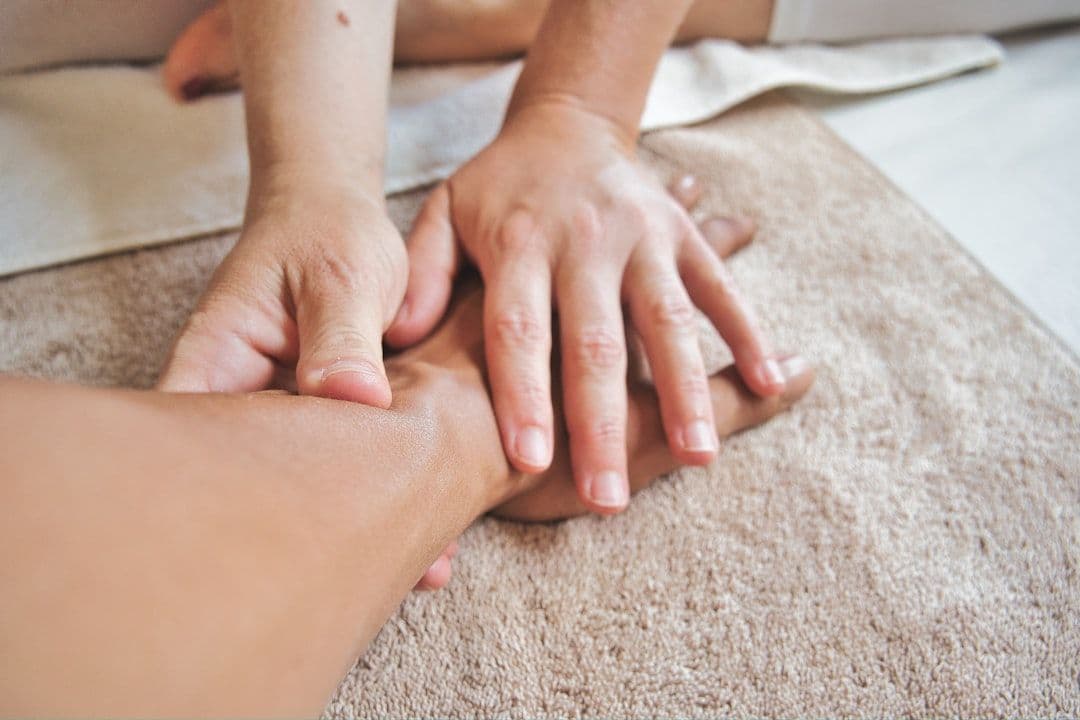
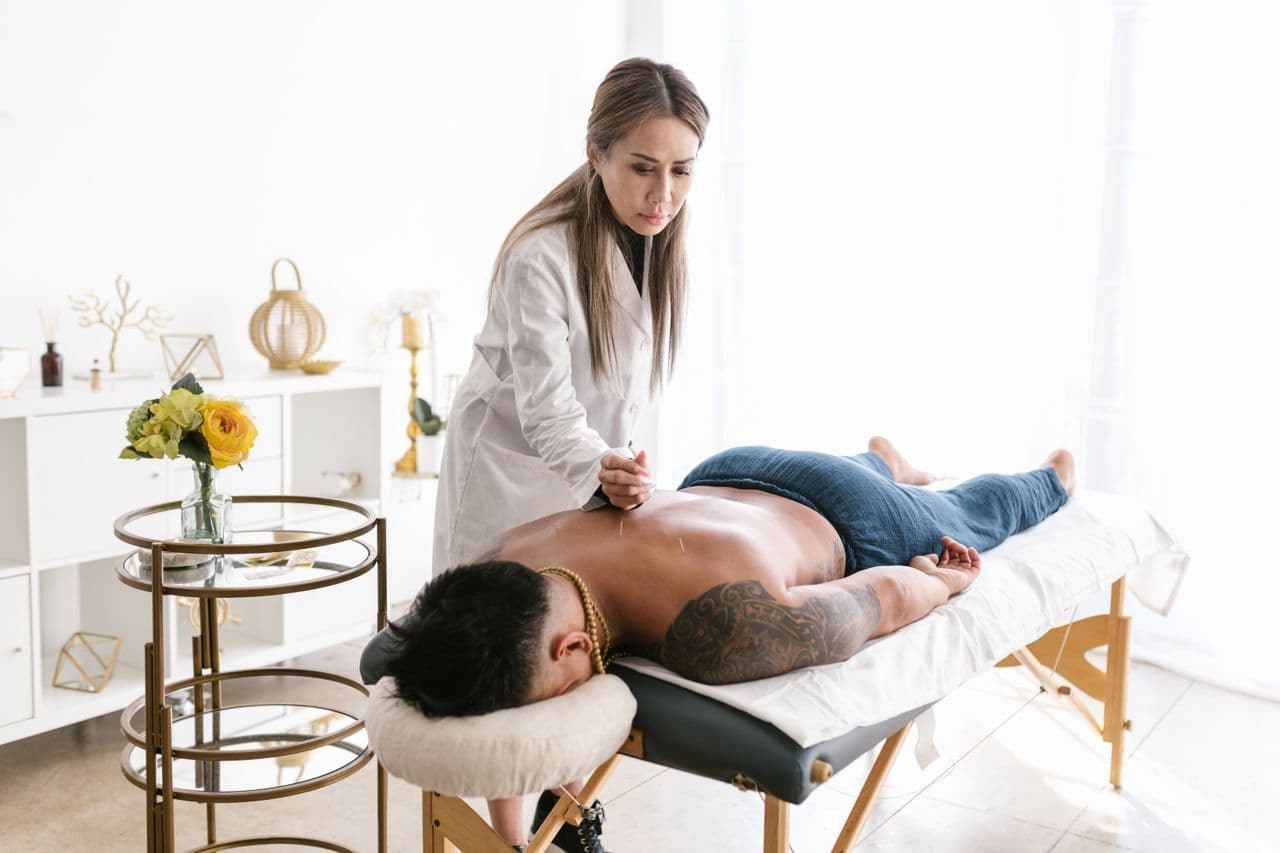
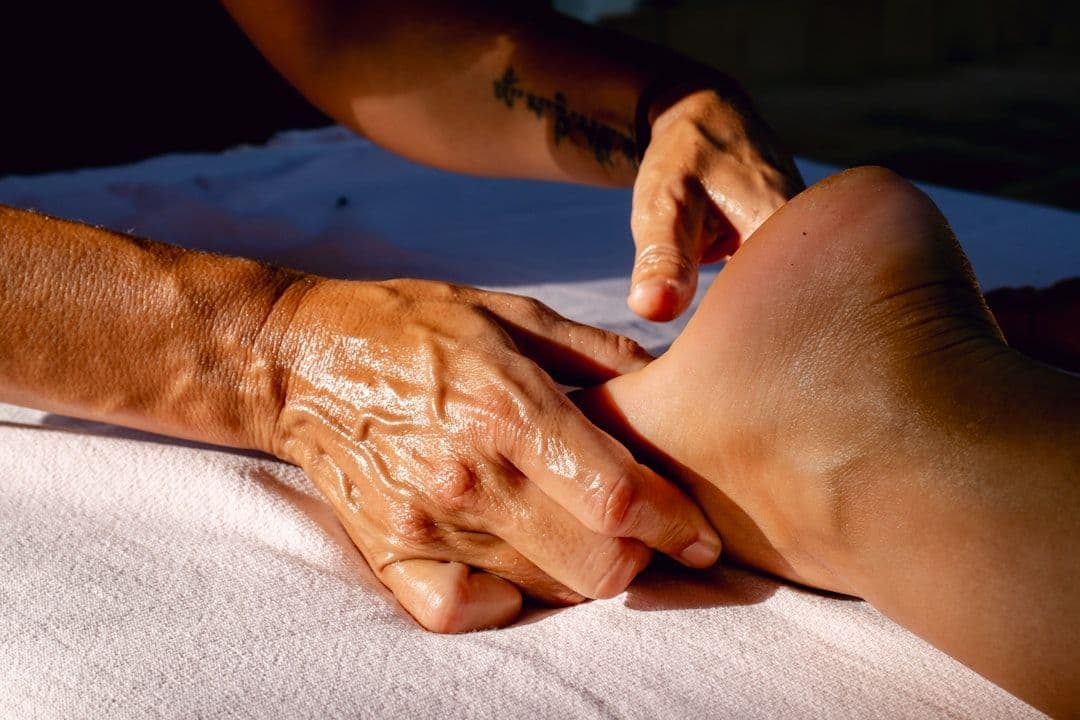
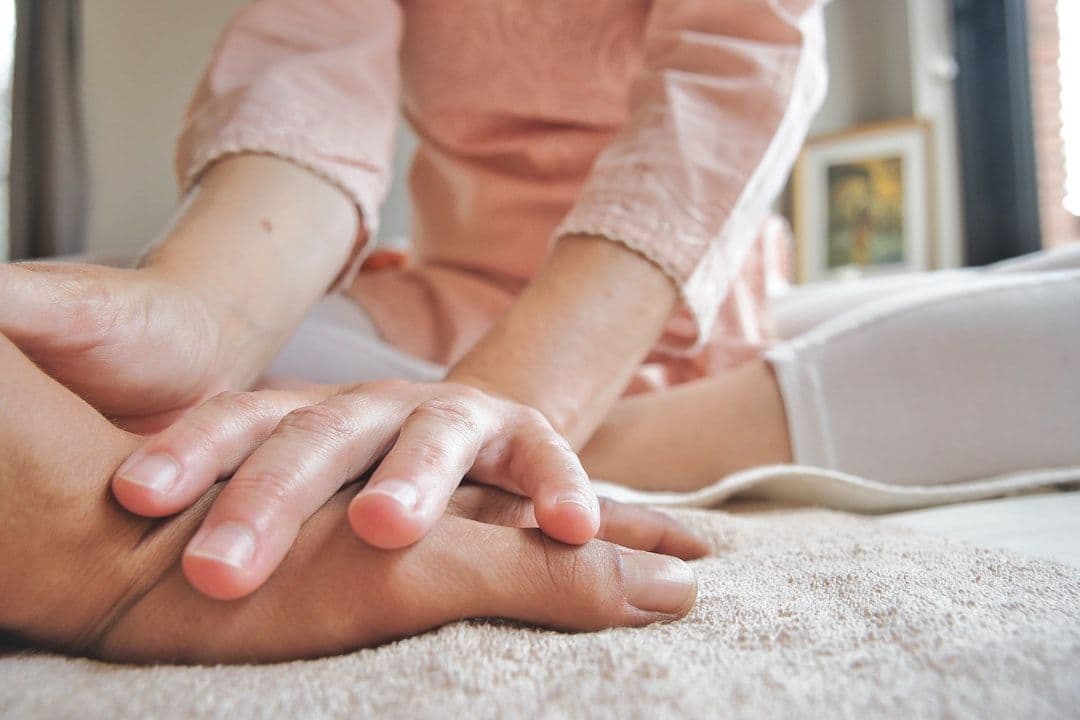
A typical massage session involves a trained therapist using various techniques to manipulate the soft tissues of the body. The therapist may use oil or lotion to reduce friction and allow for smooth strokes. The session may last anywhere from 30 to 90 minutes, depending on the type of massage and the individual's needs. The therapist may also use other techniques, such as heat or cold therapy, to enhance the effects of the massage.
Who May Benefit?
Massage may be beneficial for a wide range of individuals, including those with chronic pain, fibromyalgia, back pain, and arthritis. It may also be helpful for individuals with stress and anxiety, as well as those who are looking to improve their overall health and well-being. Pregnant women, individuals with pacemakers or other implants, and people with certain medical conditions should consult a doctor before receiving a massage.
What Does the Evidence Say?
The evidence for massage is moderate, with many studies suggesting that it can be an effective complementary therapy for a range of health conditions. While the evidence is not strong, many people find massage to be a useful tool for managing pain and improving overall health. More research is needed to fully understand the effects of massage on various health conditions.
Safety and Considerations
Massage is generally considered to be a safe and low-risk therapy, but there are some safety considerations to be aware of. Individuals with certain medical conditions, such as osteoporosis or recent injuries, should consult a doctor before receiving a massage. Pregnant women and individuals with pacemakers or other implants should also exercise caution. It is also important to find a qualified and licensed massage therapist to ensure a safe and effective session.
How to Find a Qualified Practitioner
To find a qualified massage therapist, look for someone who is licensed and certified in massage therapy. You can ask for referrals from friends, family, or healthcare professionals, or search online for therapists in your area. Be sure to check their credentials and read reviews before scheduling a session. It is also important to communicate openly with your therapist about your needs and goals, as well as any medical conditions or concerns you may have.