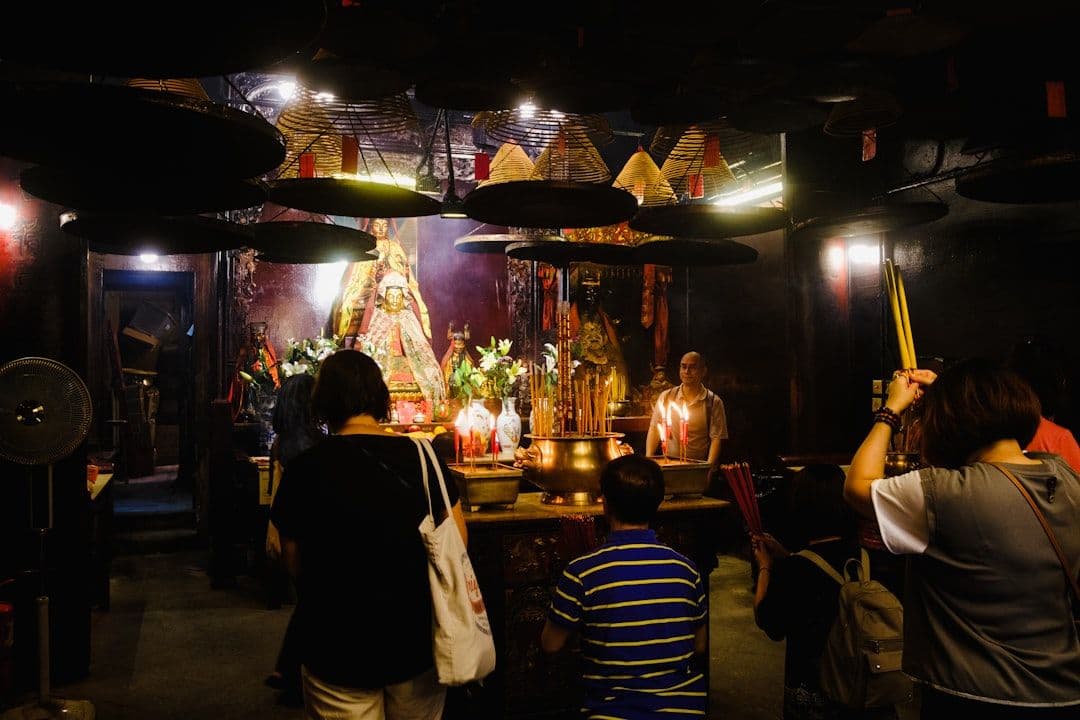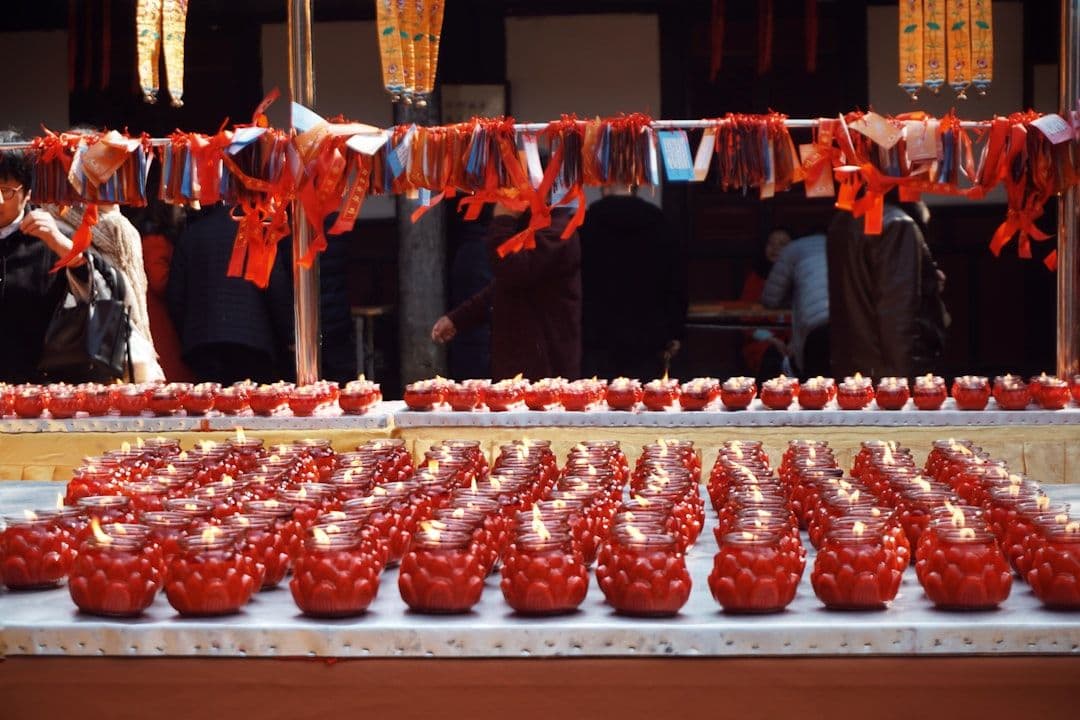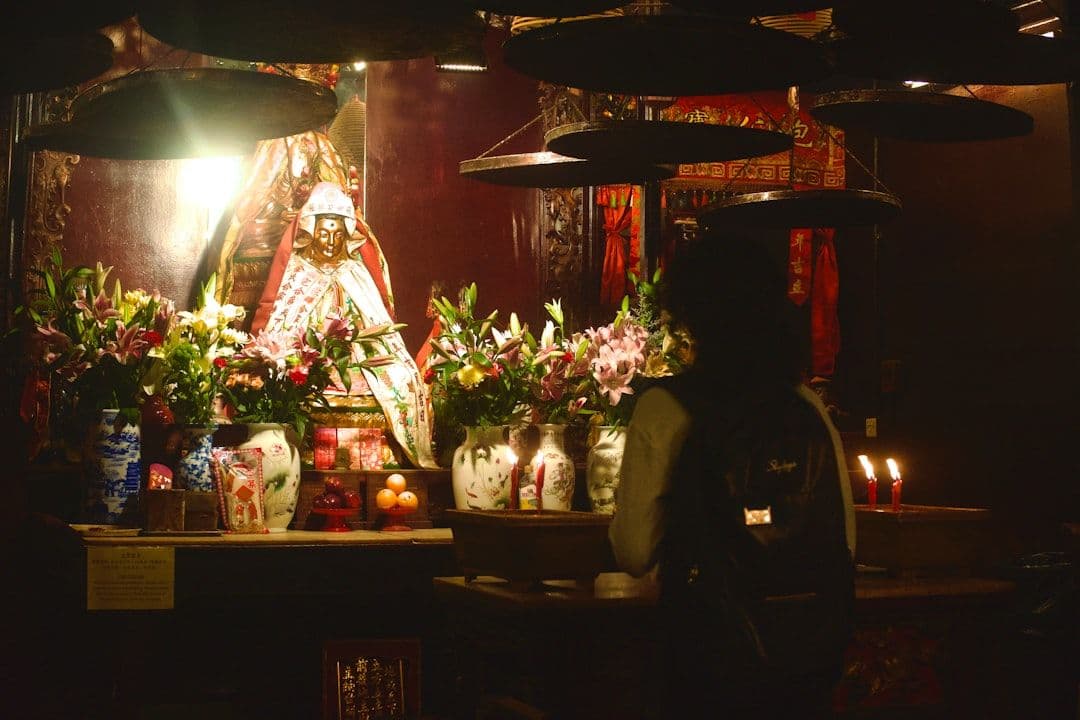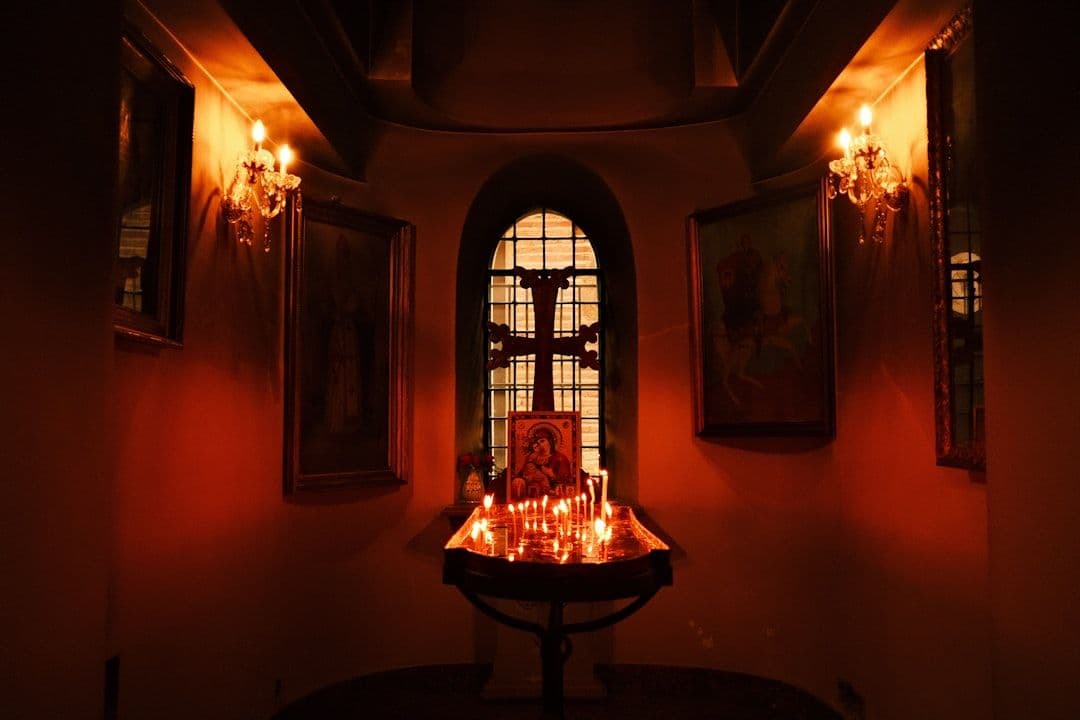
What Is Sacred Ceremonies?
Sacred Ceremonies is a metaphysical modality that uses ritual and community to promote emotional healing, personal growth, and a sense of connection. This modality has been used for generations in various cultures and traditions, and is often used to mark important life milestones or transitions. Sacred Ceremonies can take many forms, from simple rituals to complex ceremonies, and can be adapted to suit individual needs and preferences.
How Does It Work?
Sacred Ceremonies works by providing a structured and supportive environment for individuals to process their emotions, release grief or trauma, and connect with others. The ritual and communal aspects of this modality help to create a sense of safety and belonging, allowing individuals to feel more comfortable and supported as they navigate challenging experiences. The ceremonies themselves can involve various elements, such as music, movement, or symbolic objects, which help to create a sense of meaning and purpose.
What Does a Session Involve?
A Sacred Ceremonies session typically involves a combination of ritual, community, and personal reflection. The session may begin with a introduction or opening ritual, followed by a series of activities or exercises designed to promote emotional healing and connection. These activities may include meditation, movement, or creative expression, and are often tailored to the specific needs and goals of the individual or group. The session may also involve sharing or witnessing, where individuals have the opportunity to express themselves and connect with others in a supportive and non-judgmental environment.
Who May Benefit?
Sacred Ceremonies may be beneficial for individuals experiencing a range of emotional or psychological challenges, including grief, trauma, anxiety, or depression. This modality can also be helpful for those seeking a sense of community or connection, or looking for a holistic approach to mental health. Individuals who are interested in spiritual or metaphysical practices may also find Sacred Ceremonies to be a valuable and meaningful experience. However, it is essential to consult a qualified healthcare professional before participating in Sacred Ceremonies, especially if you have a history of trauma or anxiety.
What Does the Evidence Say?
The evidence for Sacred Ceremonies is largely traditional, with many practitioners and communities using it for generations to support emotional healing and personal growth. While there is limited clinical research on this modality, some studies suggest that ritual and community-based interventions can have a positive impact on mental health and well-being. For example, a study published in the Journal of Clinical Psychology found that ritual and ceremony can help individuals process traumatic experiences and promote emotional healing. Another study published in the Journal of Community Psychology found that Sacred Ceremonies can help build community and promote social connection.
Safety and Considerations
While Sacred Ceremonies can be a powerful and transformative experience, it is essential to approach this modality with caution and respect. Individuals with severe mental health conditions or those who are experiencing a crisis should consult a qualified healthcare professional before participating in Sacred Ceremonies. It is also important to find a qualified and experienced practitioner who can provide a safe and supportive environment for the ceremony. Additionally, individuals should be aware of their own boundaries and limitations, and feel free to step away or seek support if they become overwhelmed or uncomfortable during the ceremony.
How to Find a Qualified Practitioner
Finding a qualified practitioner is an essential step in experiencing the benefits of Sacred Ceremonies. You can start by searching online directories or professional organizations that specialize in Sacred Ceremonies. You can also ask for referrals from friends or family members who have experience with this modality. When selecting a practitioner, look for someone who is experienced, qualified, and respectful of your boundaries and needs. It is also important to feel comfortable and connected with the practitioner, as this can help create a sense of safety and trust during the ceremony.