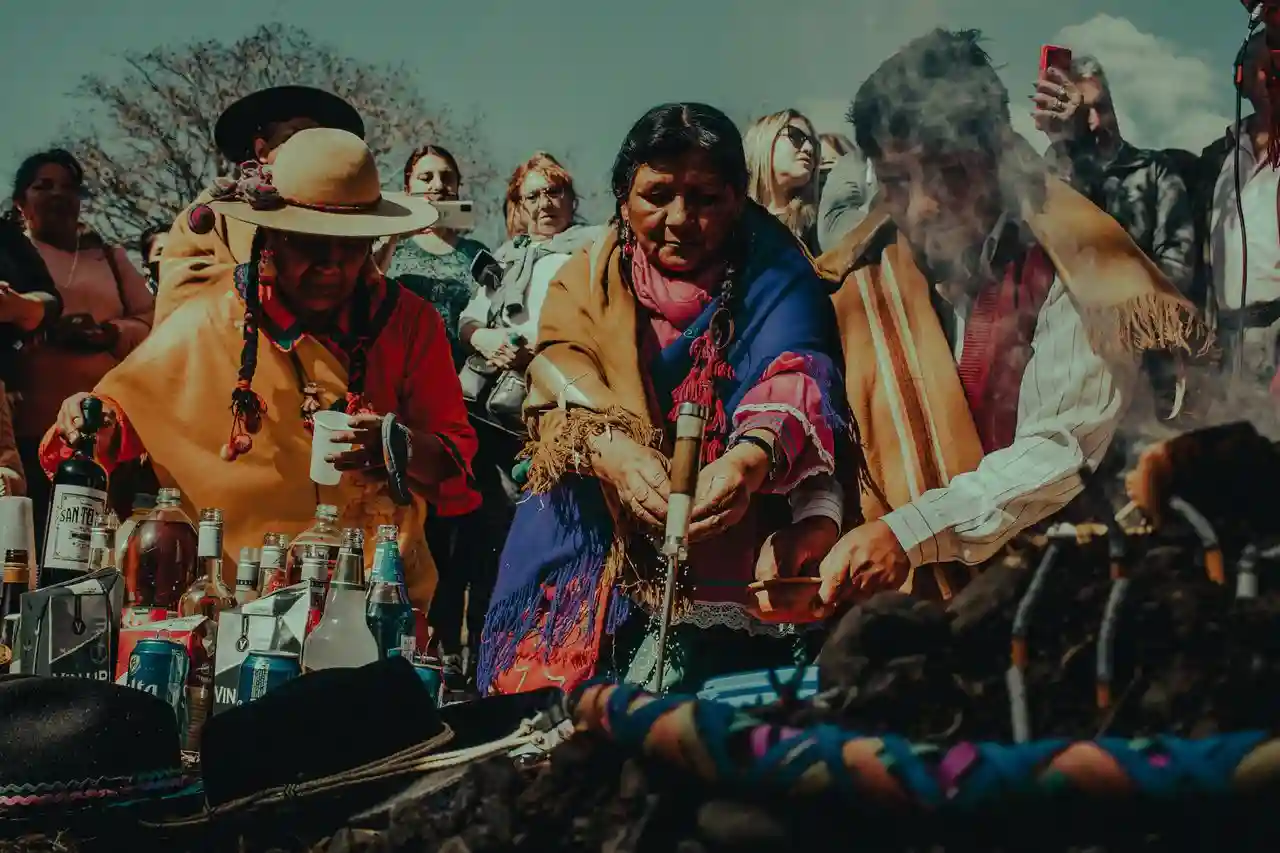
Before anyone enters a sweat lodge, someone has been tending a fire for two or three hours. Stones sit in it, heating through. That waiting is not a delay before the ceremony — it is part of it, and in many traditions the person keeping the fire holds a role as defined as the person who will lead inside.
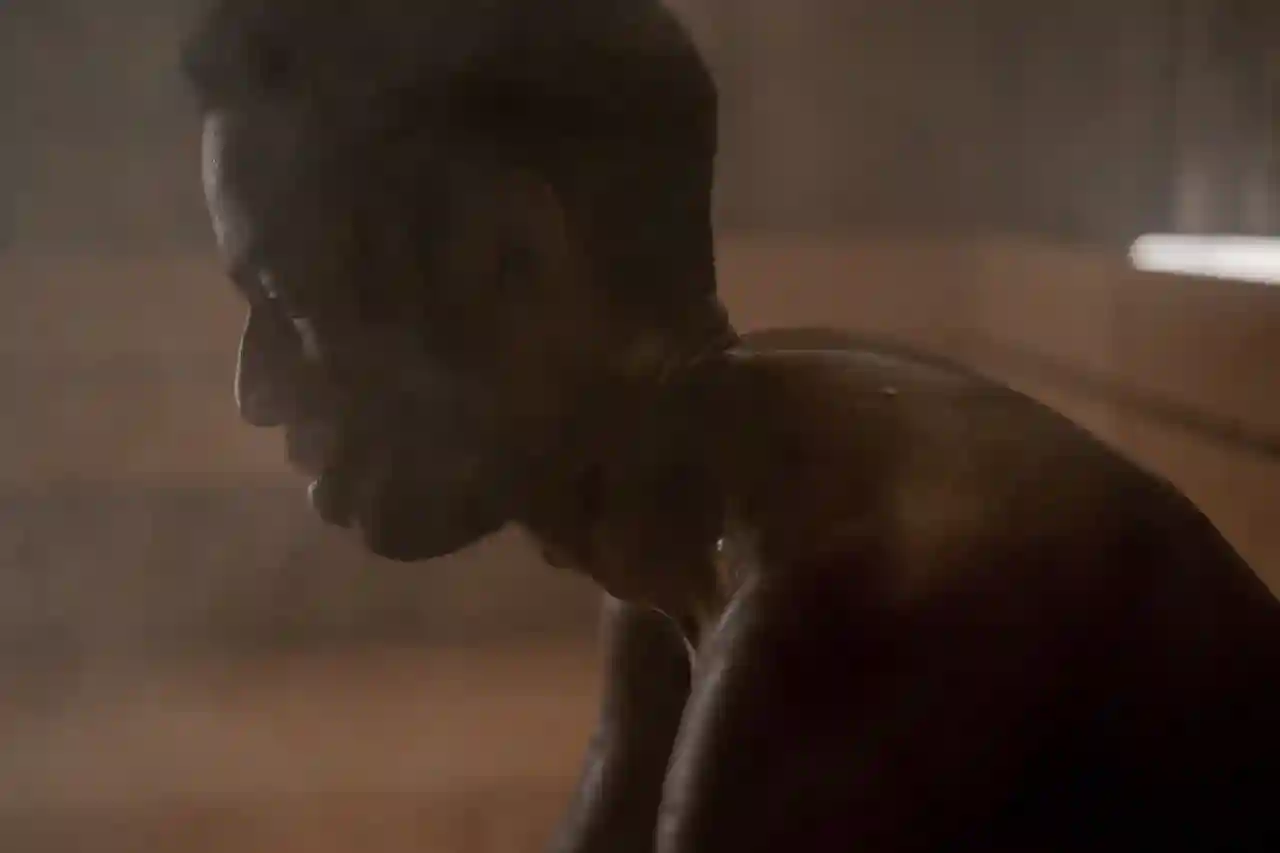
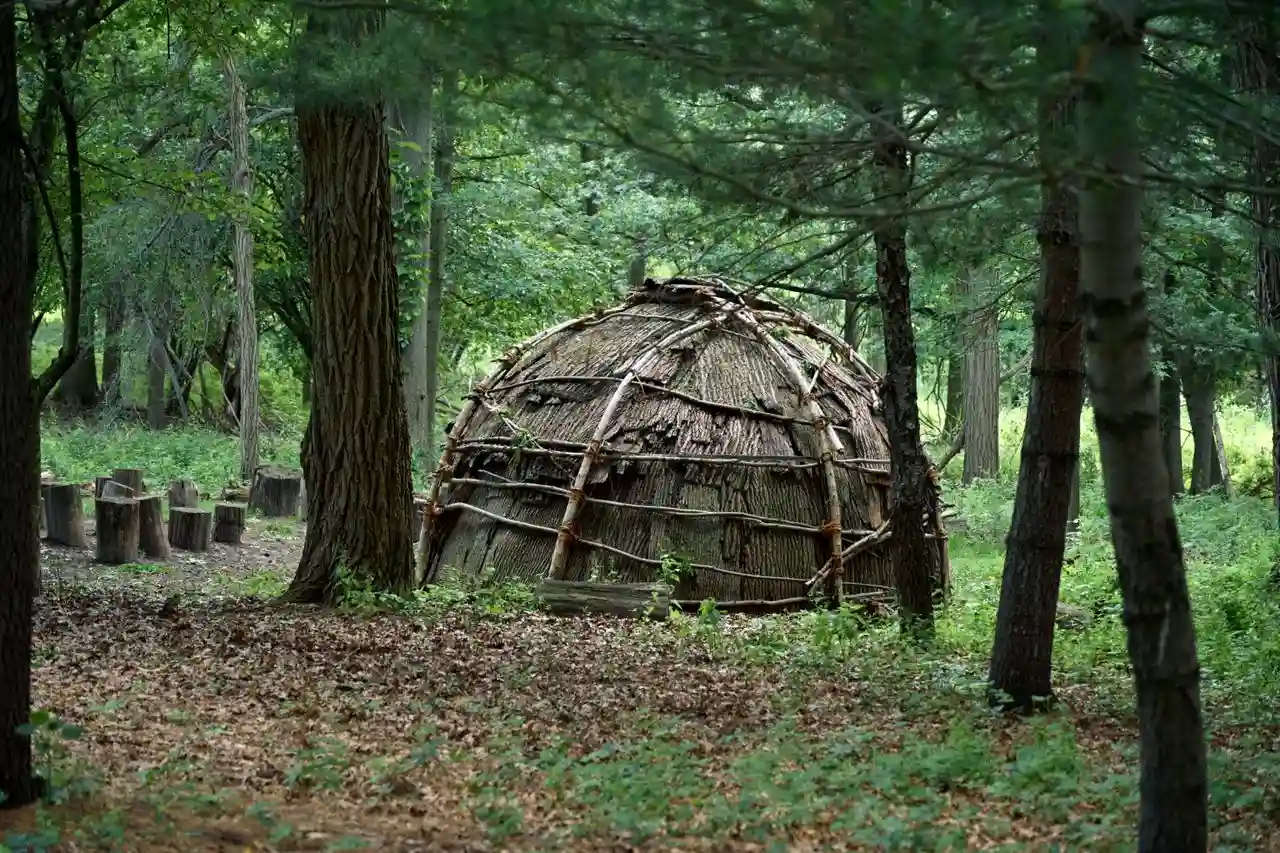
The ceremony itself takes place in a low, dome-shaped structure built from bent saplings and covered with hides, blankets, or canvas. The heated stones are carried in and set in a pit at the center. Water is poured over them. The door closes, the light goes, and the lodge fills with steam.
Not one practice
Sweat lodge ceremonies are held by many Indigenous nations across North America, most often associated with Plains, Woodland, and Southwestern peoples. In Lakota tradition the ceremony is called inipi, usually translated as to live again, and it is considered among the most sacred of all ceremonies — traditionally connected to purification before a vision quest, to healing, and to holding a community together.
Each nation holds its own protocols, songs, prayers, and teachings about how the ceremony is run and who may run it. Treating these as one practice flattens real differences. If you read a description that presents the sweat lodge as a single universal ritual, it is describing something that does not exist.
What the heat does
Several things happen at once inside the lodge: sustained heat and steam, near-total darkness, restricted airflow, close physical proximity to other people, and a structured sequence of prayer. Participants often lower themselves toward the ground when the heat peaks, where the air is cooler.
The leader controls the intensity by how much water goes on the stones and how long each round runs. Rounds are separated by the door flap opening, which lets cool air in and gives anyone who needs to leave a natural point to do so. That structure is the safety mechanism, and it only works if the person running it is experienced enough to read the room.
The risk is real and it is specific
Heat exhaustion, dehydration and heat stroke have caused serious injury and death at badly run events. A 2005 forensic case report in the American Journal of Forensic Medicine and Pathology described the pattern that recurs in fatal cases: prolonged heat in an uncontrolled environment, inadequate hydration, failure to recognize the significance of someone losing consciousness, and delay in seeking medical help afterward.
A 2010 review in the Journal of Alternative and Complementary Medicine — still the only review of its kind — identified three main risk factors: alcohol immediately beforehand, existing ischemic heart disease, and sweating heavily without replacing fluid. None of those is exotic. All three are avoidable.
You should be able to leave at any point, and no ceremony should make that difficult. If you have a cardiovascular, respiratory, blood pressure or seizure condition, are pregnant or diabetic, or take medication that affects how your body handles heat — diuretics, beta-blockers, anticholinergics and psychotropics all do — speak to a healthcare provider before considering it.
Who can lead one
This is the question that matters most, and it has a clear answer within the traditions themselves: authority is conferred by a community, not acquired through training. A 2003 gathering of Lakota spiritual leaders set out qualifications for conducting the inipi that include fluency in a Plains language and completion of prerequisite ceremonial training within the nation. There is no certificate that substitutes for that.
Recognized Indigenous bodies have also objected to the ceremony being sold. The 1993 Declaration of War Against Exploiters of Lakota Spirituality, passed by roughly 500 representatives of 40 tribes, and the 1984 Southwest American Indian Movement resolution before it, both name the commercial sale of ceremony as the problem — and the 1984 resolution names Indigenous practitioners charging fees alongside everyone else.
That is why you will not find a booking option on this page. Gyfts documents the ceremony so you can understand it. It does not sell it, and it cannot verify anyone's standing to lead one, because no verifiable credential exists. If you are drawn to this practice, the communities who hold it are where that begins.