What it is
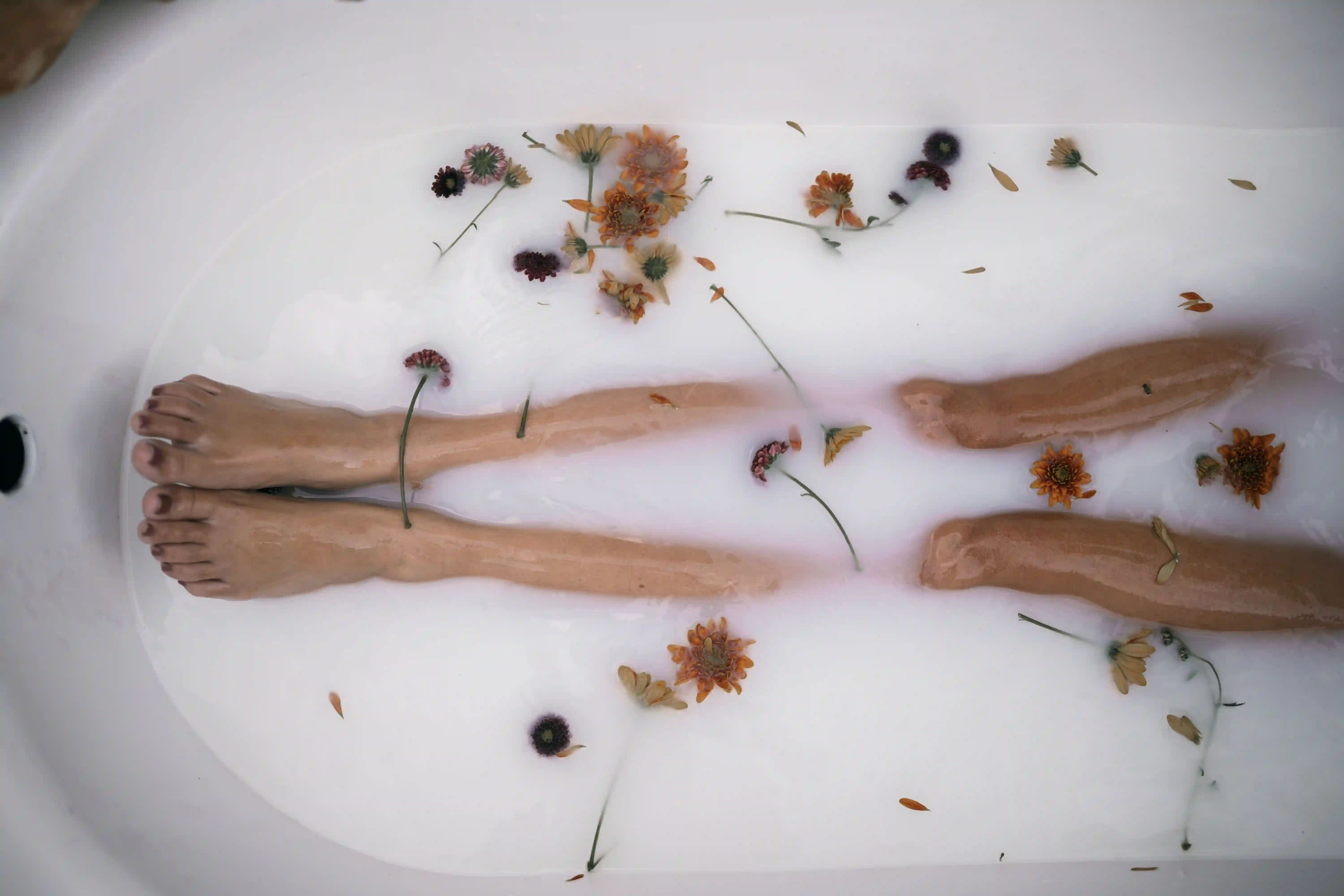
A traditional Amazonian bath in water infused with fragrant flowers and leaves.
A traditional Amazonian practice of bathing in flower-infused water, seen as cleansing, renewal and good fortune
At a glance
What it is
A traditional Amazonian bath in water infused with fragrant flowers and leaves.
Why explore it
Some people seek it for ritual, renewal, and cultural connection, as the tradition understands them.
How it’s experienced
A calm, fragrant bath, often at a retreat, followed by rest and a short conversation.
Evidence context
Traditional use only. No trials or reviews of the practice itself were found.
See the evidence snapshotSafety
Low risk. Allergy and skin irritation are the main cautions; never use unidentified plants.
See staying safeHistory & Origin
Amazonian floral baths are a traditional practice from the Peruvian Amazon in which a person bathes in water infused with fragrant flowers and leaves. In Spanish they are often called baños de florecimiento (flowering baths) or baños de flores (flower baths). Within the tradition they are understood as a way to cleanse, to renew, and to invite good fortune and love, rather than as a remedy for any named condition.
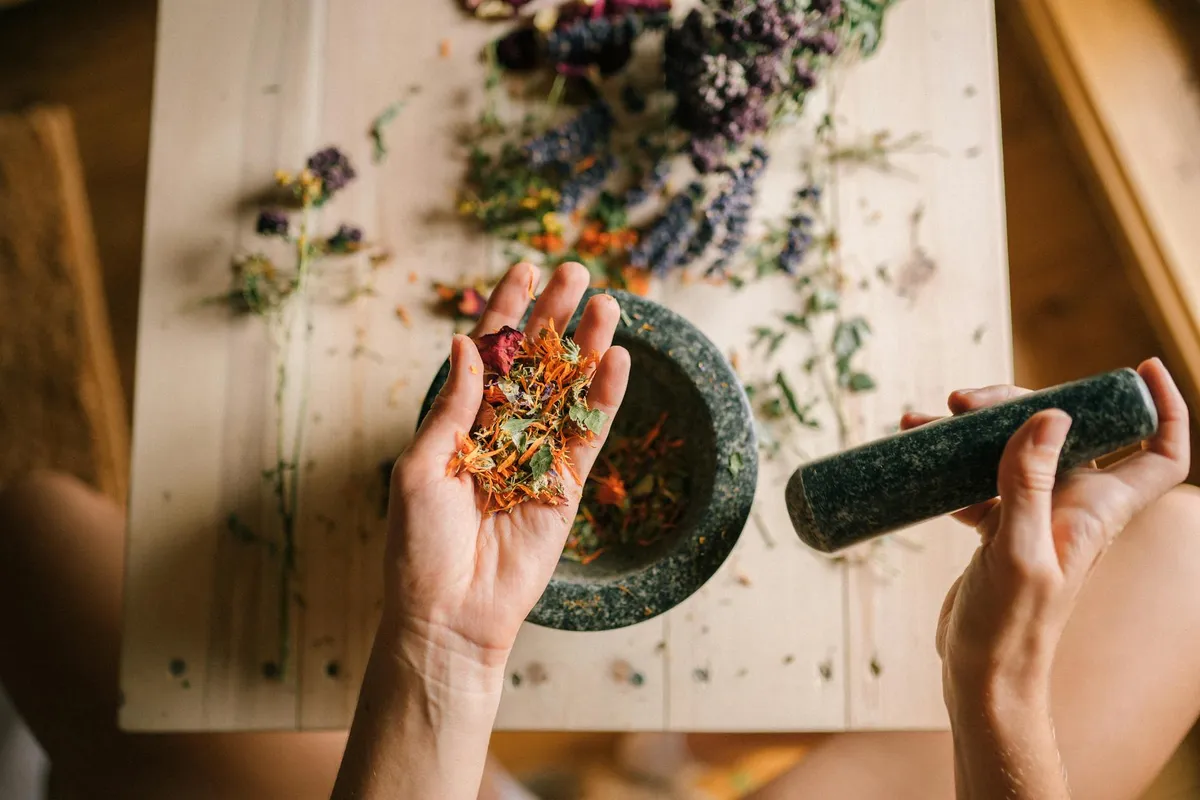
The practice is associated with the ancestral medicine of the Shipibo-Konibo people and with other Amazonian peoples, whose knowledge holders place great weight on plants as living relatives and teachers. Baths are one of several plant-based practices, alongside teas, steams, and ceremony, and they are chosen and prepared with a knowledge holder who understands the plants. Today flower baths are also offered to visitors at retreat centers, where the way they are presented can differ from how they are held within Indigenous communities.
There is almost no published research on floral baths themselves. The practice rests on traditional use and personal experience, and nothing here claims a health effect. It is generally low risk, with allergy and skin irritation as the main concerns, and it is a complement to ordinary medical care, never a replacement for it.
Plant baths belong to a wide family of Amazonian practices in which water and leaves are used to wash, protect and strengthen a person. Ethnographic work among the Ashéninka of the Ucayali describes leaf baths given to children and recommended by healers after a session, understood as strengthening the body. The Shipibo-Konibo, whose communities lie mainly along the Ucayali River, hold a rich body of plant knowledge, though the sources reviewed here do not describe floral baths in detail. The origins are traditional and not precisely dated, and practices differ between peoples, families and healers.
Many forms also exist in the mestizo healing traditions of the Peruvian Amazon, where practitioners known as vegetalistas combine Indigenous plant knowledge with other influences. Flower baths became widely known outside the Amazon through retreat centers and ceremonial tourism, where they are often offered around ceremony. In Spanish they are called baños de florecimiento or baños de flores.
In 2019 the Asociación de Onanyabo Médicos Ancestrales Shipibo-Konibo-Xetebo (ASOMASHK) was founded by Shipibo-Konibo ancestral medicine masters, known as onanyabo, who reject the imported words shaman and shamanism for their work. Their Yarinacocha Declaration calls for respect, fair payment and protection against spiritual extractivism. These knowledge systems are held by Indigenous communities, and anyone drawn to the practice is best placed to approach it with that context in mind.
Mechanism
Floral baths are a ritual of preparation, immersion, and rest, understood through the tradition rather than through measured effects.
Your first visit
A typical session outline to help you feel prepared
A floral bath is usually offered as part of a retreat or ritual rather than a clinic visit, so the steps below describe what to expect and what to ask.
The host explains where the practice comes from, what the bath is traditionally understood to mean, and who prepared it.
You are told which flowers and leaves are in the water and asked about allergies, skin conditions, pregnancy, and medication.
You may be invited to hold a quiet intention, such as release or renewal. You can also simply enjoy the experience.
You pour or bathe with the infused water, usually in a private, calm setting, taking as long as feels comfortable.
You rest afterward, and can rinse if your skin feels irritated. Tell the host straight away about any itching or redness.
There is time for questions about the plants, the tradition, and how to support the communities who hold this knowledge.
The evidence
An honest read on how Amazonian Floral Baths has been studied — an evidence tier and the research behind it, not a guarantee and not a ranking of “better.”
Rooted in traditional use, with growing research interest
No clinical trials or systematic reviews of Amazonian floral baths were found.
Written sources are ethnographic and describe Amazonian plant use broadly, so support rests on traditional use and cultural meaning, with no measured health effect.
These uses come from Amazonian tradition and have not been tested in trials.
Safety first
General guidance to help you decide whether this approach is appropriate for you. This is informational only and not a substitute for medical, psychological, or professional advice.
If you are pregnant, managing a health condition, recovering from injury or surgery, or taking medication, consult a qualified healthcare professional first.
Some situations call for extra care or a different approach. Share any conditions, injuries, or sensitivities with your practitioner before your first session.
Look for clear boundaries, transparent pricing, and practitioners who avoid fear-based claims or pressure to book frequent sessions.
Mild, short-lived effects such as tenderness, tiredness, or temporary soreness can occur. Rest, hydrate, and tell your practitioner how you respond.
For you?
A simple, human way to weigh it up. This is general guidance, not personal medical advice — a qualified practitioner can advise on your situation.
Gyfts is a discovery platform, not a medical provider. Nothing here diagnoses, treats or replaces professional care. In an emergency, contact your local emergency number.
Explore approaches
Other practices people often explore alongside amazonian floral baths.
In their words
Before you book
FAQ
A traditional Amazonian practice of bathing in water infused with fragrant flowers and leaves. In the tradition they are understood as cleansing, renewal, and an invitation of good fortune and love. In Spanish they are often called baños de florecimiento. The practice rests on traditional use, not on measured health effects.
No. No clinical trials or systematic reviews of Amazonian floral baths were found. The available research is ethnographic and describes plant use in Amazonian communities more broadly. The practice is valued for its cultural and ceremonial meaning, and nothing here claims a health effect.
It is generally low risk, but plants can cause allergic reactions or skin irritation. Test a small patch of skin first, avoid open wounds, and never use a plant you cannot identify. Check with a doctor if you are pregnant, have eczema or asthma, or take medication. Use clean water, because natural sources can carry germs.
Yes, you can make a simple fragrant bath, but it will not be the same as the Indigenous practice. Use only plants you know well and have no allergy to, and test your skin first. If you want the traditional version, learn from a knowledge holder and support Indigenous-led organizations rather than copying it.
The Shipibo-Konibo ancestral medicine masters of ASOMASHK say shaman and shamanism are imported terms that do not reflect their practice. They use onanya (plural onanyabo) instead. Using their term is a simple way to show respect, along with fair payment and support for Indigenous-led work.
References
Educational sources that inform this overview. Inclusion is for context and does not imply endorsement.
Full citations are maintained by the Gyfts editorial team and reviewed periodically.
Keep exploring
Browse practitioners, explore honest overviews, and take what you learn to a conversation — at your own pace.