What it is
A massage practice using diluted essential oils to ease tension and support relaxation.
Aromatherapy massage combines massage techniques with diluted essential oils, aiming to support relaxation, comfort, and stress reduction...
At a glance
What it is
A massage practice using diluted essential oils to ease tension and support relaxation.
Why explore it
It may ease muscle tension, reduce stress, and help your body settle into restful sleep.
How it’s experienced
A therapist blends scent, touch, and warmth to create a calming, full-sensory massage session.
Evidence context
Early research suggests short-term anxiety relief, though large-scale evidence is still limited.
See the evidence snapshotSafety
Generally safe when oils are diluted, but check with your doctor if you have health conditions.
See staying safeHistory & Origin
Aromatherapy Massage combines massage with essential oils to enhance the healing and relaxing effects.
Massage has longstanding therapeutic traditions; integrating essential oils into massage became popular in modern spa and complementary care settings, particularly for relaxation and symptom comfort.
Mechanism
Aromatherapy Massage is generally described as working through skilled touch, careful pacing, and the body's response to pressure, movement, warmth, or stillness. Practitioners may focus on muscle tone, joint comfort, circulation, breath, or relaxation depending on the method. Traditional explanations may also include energy flow or whole-person balance. Research support varies by modality, so the experience is best framed as supportive care with outcomes that vary. During an aromatherapy massage, a practitioner applies diluted essential oils to the skin while performing massage techniques—typically Swedish, deep tissue, or lymph fluid movement styles.
Your first visit
A typical session outline to help you feel prepared
A soothing blend of massage and carefully chosen essential oils, tailored to your preferences and comfort from start to finish.
Your practitioner will ask about your goals for the session, any health conditions or skin sensitivities, and whether you have scent preferences or oils you want to avoid.
Based on your intake, the practitioner selects a blend of essential oils diluted in a carrier oil, often letting you smell options so you can choose what appeals to you most.
You'll undress to your comfort level and lie on a padded massage table, draped with a sheet or towel so only the area being worked on is ever uncovered.
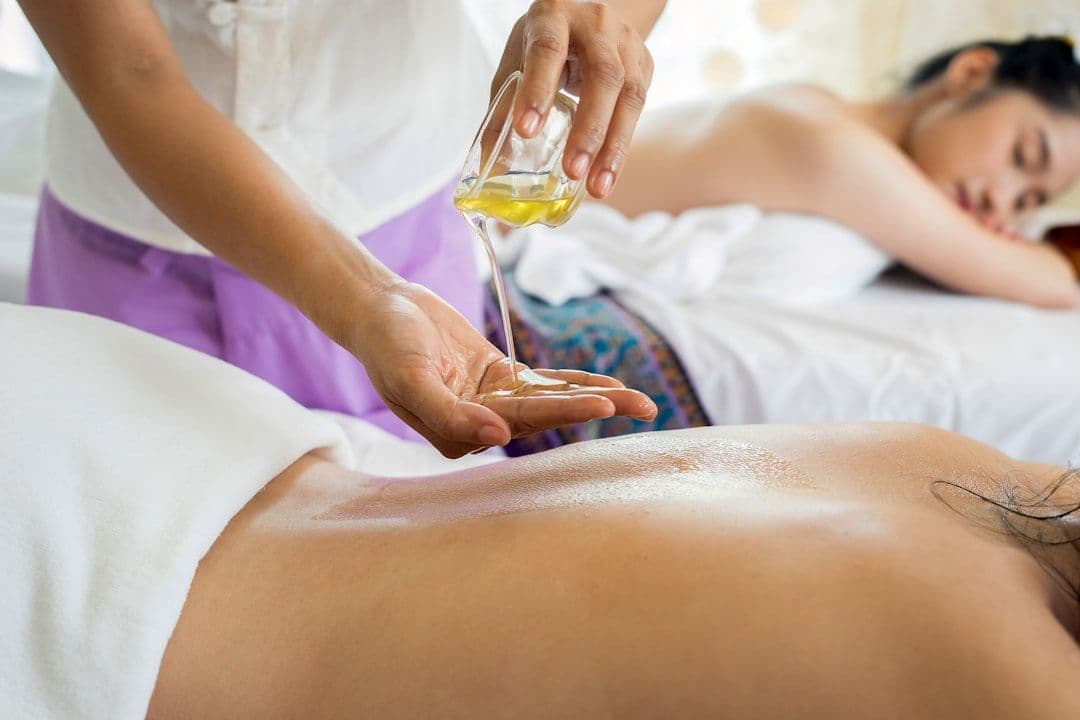
The practitioner warms the diluted oil blend in their hands before applying it to your skin, so the very first touch is gentle and never cold or startling.
Using flowing Swedish-style strokes, the practitioner works through areas you discussed, and the scent of the oils fills the air around you throughout the session, which typically runs 60 to 90 minutes.
Your practitioner may periodically ask about pressure and comfort, and you're always welcome to speak up if you want adjustments to touch, warmth, or even the scent in the room.
Toward the end, strokes become slower and lighter, giving your body a gentle signal that the session is closing, before the practitioner quietly steps out so you can rest briefly.
Your practitioner will suggest drinking water, note any oils used in case of later skin reaction, and may recommend scents or self-care practices to continue the experience at home.
The Evidence
What research and practice currently suggest about Aromatherapy Massage — and where the evidence has limits.
Promising for relaxation; broader claims need stronger support
Aromatherapy Massage shows consistent short-term benefits for anxiety and comfort in supportive care settings, though study quality varies and effects differ across populations. It is best understood as a complementary comfort measure, not a standalone intervention.
Systematic reviews suggest Aromatherapy Massage may reduce anxiety and improve perceived comfort, particularly in supportive and palliative care contexts. Effects on pain, sleep, and mood are reported but vary across studies. Methodological inconsistencies — small samples, variable oil protocols — mean findings should be interpreted cautiously.
As a complementary modality, it is most appropriately used to support wellbeing and symptom comfort in parallel with professional healthcare. It is not a substitute for professional assessment or medical management. Practitioners and clients should maintain open communication with any treating health professionals.
Aromatherapy Massage appears in integrative oncology, palliative care, and maternity support contexts, where reducing distress and improving quality of life are primary goals. In these settings, it is offered alongside standard care. Evidence from these populations is more developed than in general wellness contexts, though still mixed in quality.
Essential oils must be properly diluted before skin contact. Patch testing is advisable for sensitive individuals. People with asthma, severe allergies, fragile skin, or those on anticoagulant therapy should inform their practitioner before a session. Those in active cancer treatment should seek providers with relevant clinical experience. Standard massage contraindications also apply.
Look for practitioners with recognised massage qualifications and specific training in essential oil safety and application. In clinical or medical contexts, seek providers experienced in working alongside healthcare teams. Ask about oil sourcing, dilution practices, and how they adapt sessions to individual health needs. Transparency about training and approach is a reasonable expectation.
Many studies are small, short-term, and use inconsistent oil protocols, making it difficult to draw firm conclusions about specific outcomes. The relative contribution of massage versus the aromatic compounds is rarely isolated in research. Inflated outcome claims should be viewed critically. Aromatherapy Massage is a comfort-oriented practice with a reasonable safety profile, not a medically validated intervention for specific conditions.
Safety first
General guidance to help you decide whether this approach is appropriate for you. This is informational only and not a substitute for medical, psychological, or professional advice.
Some situations call for extra care or a different approach. Share any conditions, injuries, or sensitivities with your practitioner before your first session.
If you are pregnant, managing a health condition, recovering from injury or surgery, or taking medication, consult a qualified healthcare professional first.
Look for clear boundaries, transparent pricing, and practitioners who avoid fear-based claims or pressure to book frequent sessions.
Mild, short-lived effects such as tenderness, tiredness, or temporary soreness can occur. Rest, hydrate, and tell your practitioner how you respond.
For you?
A simple, human way to weigh it up. This is general guidance, not personal medical advice — a qualified practitioner can advise on your situation.
Gyfts is a discovery platform, not a medical provider. Nothing here diagnoses, treats or replaces professional care. In an emergency, contact your local emergency number.
Explore approaches
Other practices people often explore alongside aromatherapy massage.
In their words
FAQ
It combines two inputs—touch and scent—so relaxation effects may feel stronger for some people, but studies often struggle to separate the contribution of each component.
Yes. Many clients prefer unscented massage, and scent choice should always be optional.
Aromatherapy has moderate evidence for anxiety reduction and stress relief — multiple RCTs show significant reduction in anxiety scores using lavender, bergamot, and rose essential oils via inhalation or massage. A 2017 systematic review of aromatherapy massage found consistent effects on anxiety, depression, and pain in cancer patients. Evidence for sleep improvement (particularly lavender) is emerging. Mechanisms include the limbic system activation via olfactory pathways and, for topically applied oils, transdermal absorption of active constituents. Clinical evidence for specific medical conditions remains limited — aromatherapy is best positioned as a complementary wellness and symptom management modality.
Most essential oils are safe when used correctly — diluted in a carrier oil for skin application (typically 1–3% dilution), used in appropriate amounts in diffusers, and kept out of reach of children and pets. Key safety considerations: never apply undiluted essential oils directly to skin; some oils (particularly citrus) are photosensitive; oils such as eucalyptus, peppermint, and rosemary are contraindicated around young children and infants; tea tree oil is toxic to cats and dogs. Pregnancy requires careful selection — several oils are contraindicated. Epilepsy, hormone-sensitive conditions, and certain medications can interact with specific oils. A qualified aromatherapist can advise on safety for your situation.
Aromatherapy massage combines the physical benefits of therapeutic touch with the physiological and psychological effects of inhaled and absorbed essential oils. The practitioner selects a blend of essential oils specifically for the recipient's presenting concerns — for example, lavender and frankincense for anxiety and stress, eucalyptus and peppermint for muscle tension and fatigue. The oils are diluted in a carrier oil and applied through flowing massage strokes. The combined effect typically produces a deeper relaxation response than massage alone, with the aromatic dimension continuing to work after the session through lingering skin absorption and inhalation.
References
Educational sources that inform this overview. Inclusion is for context and does not imply endorsement.
Full citations are maintained by the Gyfts editorial team and reviewed periodically.
Keep exploring
Browse practitioners, explore honest overviews, and take what you learn to a conversation — at your own pace.