What it is
Blends talk therapy with gentle bodywork to support emotional healing and self-understanding.
Biodynamic Therapy is a body-mind psychotherapy approach that combines psychoanalytic principles with bodywork and energy awareness to ad...
At a glance
What it is
Blends talk therapy with gentle bodywork to support emotional healing and self-understanding.
Why explore it
May help release body-held stress and trauma while building emotional awareness over time.
How it’s experienced
Sessions mix conversation with light touch, breathwork, and tuning into your body's sensations.
Evidence context
Research is early-stage and small-scale, so results are promising but not yet firmly established.
See the evidence snapshotSafety
Low risk for most adults, but check with a professional first if you have complex health concerns.
See staying safeHistory & Origin
Biodynamic Therapy addresses psychological issues through body-mind integration and understanding of energy dynamics.
Biodynamic Therapy was developed in the 1960s by Norwegian psychologist and physiotherapist Gerda Boyesen, who sought to integrate Wilhelm Reich's theories about body armor and emotional expression with traditional psychotherapy. Boyesen was influenced by Reich's belief that psychological trauma becomes stored in the body as muscular tension and blocked energy. She developed her approach while working in London, drawing from her background in both psychology and physical therapy to create a method that addressed both mental and physical aspects of healing.
Boyesen introduced the concept of the 'psychoperistaltic' process, suggesting that emotional digestion occurs similarly to physical digestion, with the body naturally processing and releasing emotional material when supported properly. She emphasized the importance of listening to the body's own healing wisdom and developed techniques that combined verbal therapy with gentle massage, breathwork, and energy awareness. Her work was part of the broader humanistic psychology movement of the 1960s and 1970s that sought to honor the whole person rather than just symptoms.
The therapy spread throughout Europe in the 1970s and 1980s, with training institutes established in various countries. It found particular resonance in Scandinavia and the UK, where practitioners appreciated its gentle, non-invasive approach to trauma work. Today, biodynamic therapy continues to be practiced worldwide, though it remains a specialized field within the broader landscape of body-oriented psychotherapies, with practitioners typically requiring extensive training in both psychological and bodywork techniques.
Mechanism
Biodynamic Therapy is generally framed as a guided process for attention, reflection, learning, and emotional integration. Depending on the method, a practitioner may use conversation, imagery, structured exercises, body awareness, or therapeutic techniques to help the person explore patterns and choices. It should not be presented as a standalone solution or a substitute for urgent care, but it may support self-understanding when practiced within an appropriate scope. Biodynamic Therapy operates on the premise that unprocessed emotions become stored as physical tension and "body armour" — chronic muscular patterns that restrict energy flow and psychological expression.
Your first visit
A typical session outline to help you feel prepared
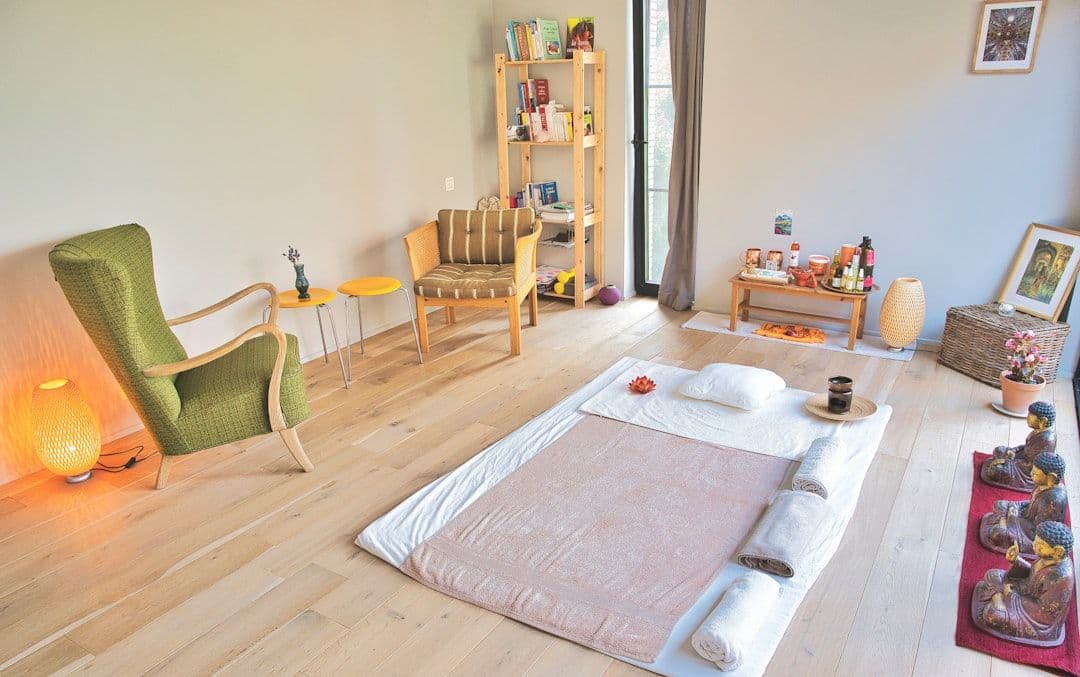
A biodynamic therapy session blends gentle conversation with mindful bodywork, inviting you to explore the connection between your emotions and physical sensations at your own pace.
Your therapist greets you and takes a few minutes to ask how you're feeling today, both emotionally and physically, helping them understand where to focus the session.
Especially in early sessions, you'll discuss your personal history, what brought you to biodynamic therapy, and what you're hoping to explore or experience over time.
Your therapist walks you through what touch may be involved and asks for your explicit consent, making clear that you can adjust, pause, or stop any element at any moment.
You're guided into a comfortable position, often lying fully clothed on a treatment table, and invited to take a few slow breaths to help your nervous system settle before work begins.
Your therapist uses very light, intentional touch on areas like your back, abdomen, or shoulders, listening through their hands for shifts in tissue tension, breath, or energy flow that reflect your emotional state.
Throughout the session, your therapist may gently ask what you're noticing in your body or invite you to name any feelings or images that arise, weaving talk and touch together in real time.
As the session winds down, the therapist gradually withdraws touch and gives you a few quiet moments to rest, helping your body and mind integrate whatever surfaced during the work.
You sit up slowly and share any observations or questions with your therapist, who may offer gentle suggestions for what to notice in the days ahead before your next visit.
The Evidence
What research exists for Biodynamic Therapy, and what remains uncertain or still under investigation.
Body-mind approach with limited formal research
Biodynamic Therapy as a distinct modality has minimal controlled research behind it. Broader body-oriented psychotherapy shows some support for trauma and emotional regulation, but those findings cannot be directly applied here.
Available studies are mostly small-scale case reports or qualitative accounts rather than controlled trials. The highly individualised nature of sessions and lack of standardised protocols make traditional research difficult. Claims of benefit should be understood in this context.
Body-oriented psychotherapy more broadly has accumulated modest research support, particularly for trauma recovery and anxiety. Some studies suggest embodied approaches can support emotional regulation. These findings are adjacent to Biodynamic Therapy but cannot be assumed to apply directly to it.
It draws on body-mind integration principles outside mainstream clinical practice. It may complement conventional psychological care for some people, but it is not a substitute for professional mental health assessment or evidence-based psychological intervention where those are indicated.
Boyesen integrated Wilhelm Reich's ideas about muscular tension and emotional expression with her physiotherapy and psychology training. Her concept of psychoperistalsis — the body's capacity to process emotional material — remains central to the approach. These are theoretical frameworks, not established physiological mechanisms.
People with active psychosis, severe dissociation, or acute mental health crises should consult a qualified mental health professional first. Those with significant trauma histories may benefit from stabilisation work beforehand. Disclose any physical health conditions, recent injuries, or pregnancy to your practitioner.
Look for practitioners with recognised training in both somatic and psychological approaches, and membership of a relevant professional body. Biodynamic Therapy can surface intense emotions, so experience with trauma-informed practice is important. If you are under mental health care, inform both your therapist and any new practitioner.
Safety first
General guidance to help you decide whether this approach is appropriate for you. This is informational only and not a substitute for medical, psychological, or professional advice.
If you are pregnant, managing a health condition, recovering from injury or surgery, or taking medication, consult a qualified healthcare professional first.
Some situations call for extra care or a different approach. Share any conditions, injuries, or sensitivities with your practitioner before your first session.
Look for clear boundaries, transparent pricing, and practitioners who avoid fear-based claims or pressure to book frequent sessions.
Mild, short-lived effects such as tenderness, tiredness, or temporary soreness can occur. Rest, hydrate, and tell your practitioner how you respond.
For you?
A simple, human way to weigh it up. This is general guidance, not personal medical advice — a qualified practitioner can advise on your situation.
Gyfts is a discovery platform, not a medical provider. Nothing here diagnoses, treats or replaces professional care. In an emergency, contact your local emergency number.
Explore approaches
Other practices people often explore alongside biodynamic therapy.
In their words
FAQ
Sessions combine talking therapy with gentle bodywork and energy awareness. You might lie on a table while the practitioner uses light touch or massage, encouraging you to notice physical sensations and emotions. All physical contact is discussed beforehand, and you maintain complete control over boundaries and comfort levels.
The number of sessions varies greatly depending on individual goals and needs. Some people benefit from short-term work over a few months, while others engage in longer-term therapy over a year or more. Your practitioner will discuss realistic timelines based on your specific situation and progress.
Clothing requirements depend on the specific techniques being used. Many sessions can be conducted fully clothed, while some bodywork may be more effective with minimal clothing. Your practitioner will always discuss this beforehand and respect your comfort levels completely.
Yes, biodynamic therapy incorporates bodywork and physical awareness alongside traditional talking therapy. It focuses on the connection between physical tension and emotional states, using techniques like massage, breathwork, and energy awareness that aren't typically found in conventional psychotherapy.
Qualified biodynamic therapists typically complete extensive training programs covering both psychological theory and bodywork techniques. Many have backgrounds in psychology, counseling, or bodywork and undergo specialized biodynamic training that can take several years to complete.
References
Educational sources that inform this overview. Inclusion is for context and does not imply endorsement.
Full citations are maintained by the Gyfts editorial team and reviewed periodically.
Keep exploring
Browse practitioners, explore honest overviews, and take what you learn to a conversation — at your own pace.