What it is
Biopulsation blends biofeedback with gentle electrical pulses to help your body self-regulate.
Biopulsation is a therapeutic modality that combines biofeedback with low-level electrical stimulation to enhance circulation, reduce pai...
At a glance
What it is
Biopulsation blends biofeedback with gentle electrical pulses to help your body self-regulate.
Why explore it
It offers a drug-free way to explore stress relief, better sleep, and improved circulation.
How it’s experienced
Electrodes read your body's signals while soft pulses are delivered and adjusted in real time.
Evidence context
Research supports its separate parts, but evidence for the combined approach is still limited.
See the evidence snapshotSafety
It is generally low-risk, but avoid it if you have a pacemaker, are pregnant, or have arrhythmias.
See staying safeHistory & Origin
Biopulsation involves using biofeedback and electrical stimulation to enhance bodily function and energy.
Biopulsation emerged in the latter half of the 20th century as practitioners began exploring the therapeutic applications of combining biofeedback technology with electrical stimulation. This approach built upon earlier work in electrotherapy, which had been used in various forms since the 1800s, and the growing understanding of bioelectricity in the human body. The development of modern biofeedback equipment in the 1960s and 1970s provided the technological foundation for more sophisticated applications.
The modality gained traction among alternative health practitioners who were interested in non-invasive approaches to pain management and wellness enhancement. Practitioners began to theorize that controlled electrical stimulation, when combined with biofeedback monitoring, could help restore the body's natural electrical balance and support healing processes. This concept drew from both Western understanding of bioelectricity and Eastern concepts of energy flow in the body.
As electronic technology became more accessible and refined, various forms of biopulsation devices were developed for clinical and home use. The practice found particular acceptance among practitioners focused on integrative approaches to chronic conditions, especially those involving pain, circulation issues, and stress-related disorders. Today, biopulsation continues to evolve with advancing technology, though it remains primarily within the complementary health field.
Mechanism
Biopulsation is generally framed as a guided process for attention, reflection, learning, and emotional integration. Depending on the method, a practitioner may use conversation, imagery, structured exercises, body awareness, or therapeutic techniques to help the person explore patterns and choices. It should not be presented as a standalone solution or a substitute for urgent care, but it may support self-understanding when practiced within an appropriate scope. Biopulsation combines real-time biofeedback monitoring—which displays physiological signals like heart rate variability or skin conductance—with application of low-level electrical impulses to specific body areas or meridians.
Your first visit
A typical session outline to help you feel prepared
A biopulsation session combines gentle electrical pulses with real-time biofeedback to support your body's natural balance, leaving most people feeling calm and refreshed.
Your practitioner reviews your health history form and asks about your goals, current concerns, and any conditions like pacemakers or implants that may affect the session.
Together you discuss what you hope to get from biopulsation, whether that's stress relief, better sleep, or muscle tension support, so the session can be tailored specifically to you.
You remain fully clothed and settle into a comfortable chair or treatment table. Loose, comfortable clothing works best since electrodes will be placed on accessible areas of skin.
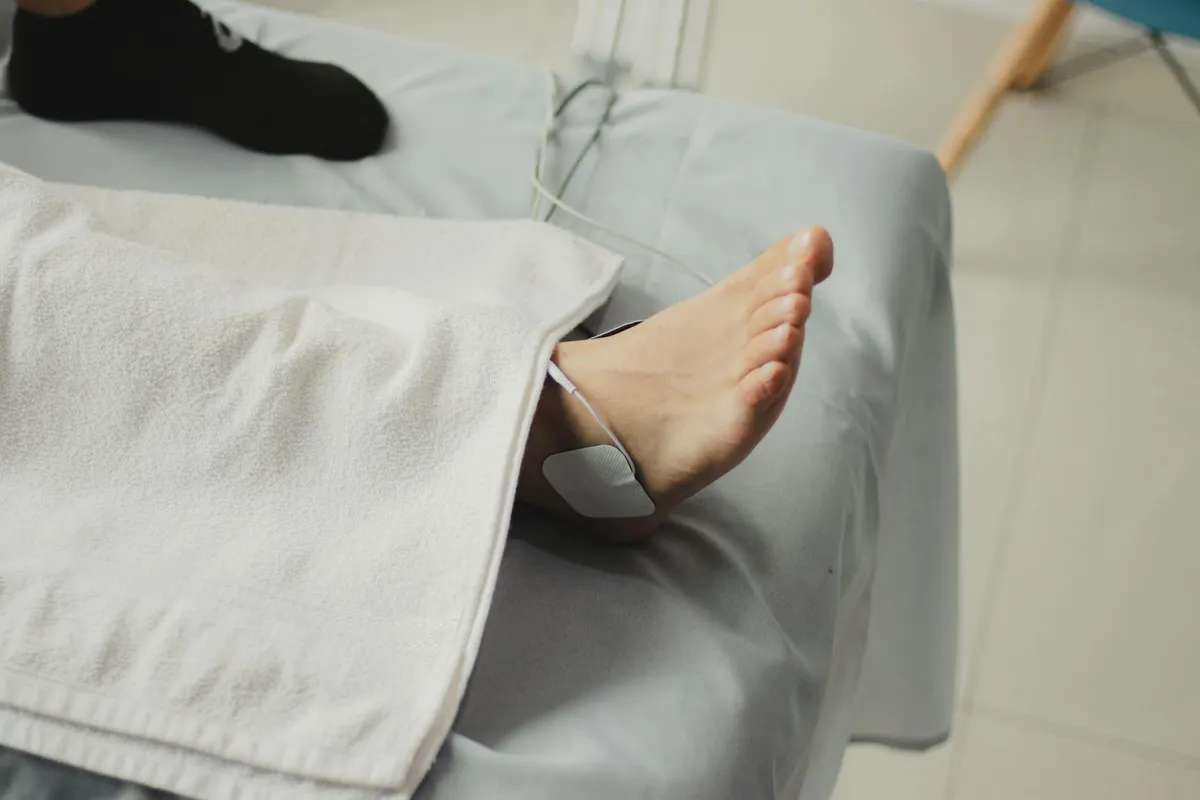
Small, adhesive electrodes are gently applied to targeted areas of your skin, such as your back, shoulders, or limbs, depending on your goals. Placement is explained before it happens.
Sensors begin reading your body's real-time responses, including muscle tension and nervous system activity, allowing the practitioner to see how your body is responding moment to moment.
Gentle electrical pulses are delivered through the electrodes. Most people feel a mild tingling or light buzzing sensation that is not painful and can be adjusted for your comfort at any time.
Your practitioner watches the biofeedback readings and fine-tunes the pulse intensity or electrode placement as needed, checking in with you throughout to ensure you feel at ease.
Electrodes are removed, and your practitioner shares observations from your session and suggests whether weekly or monthly follow-up visits would best support your ongoing progress.
The Evidence
What research says about combining biofeedback and electrical stimulation, and where the evidence currently stands.
Component therapies are better studied than biopulsation itself
Biopulsation as a combined protocol lacks robust clinical trial data. Its individual components — electrical stimulation and biofeedback — have more established research bases, particularly for pain and stress-related conditions.
No large-scale randomised controlled trials have evaluated biopulsation as a combined protocol. Available evidence comes from small studies, case reports, and practitioner observations. This limits confidence in outcome claims. The evidence base is best described as preliminary.
Transcutaneous electrical nerve stimulation has reasonable support for certain chronic pain conditions, though effects are often modest and vary between individuals. Biofeedback has moderate evidence for stress-related disorders and tension headaches. Whether combining them produces additive benefit has not been rigorously tested.
It sits outside conventional medical practice and draws on bioelectrical concepts not fully integrated into mainstream clinical frameworks. Practitioners may reference energy balance or cellular regulation, but these mechanistic claims remain largely unvalidated. Users should weigh this context when evaluating practitioner explanations.
People with pacemakers, implanted electronic devices, serious heart conditions, or pregnancy should consult a qualified healthcare provider before use. Treatment should never cause pain. Always disclose all medications and health conditions to your practitioner before a session begins.
Absolute contraindications include implanted electronic devices, active cancer sites, severe arrhythmias, open wounds at electrode sites, and metal implants near treatment areas. These are not precautions to weigh up — they require professional guidance before proceeding.
Biopulsation is not a substitute for professional assessment or evidence-based care for serious conditions. The theoretical framework draws from both bioelectrical science and less validated concepts. Approach practitioner claims critically, and use this modality as a complement to, not a replacement for, qualified healthcare.
Safety first
General guidance to help you decide whether this approach is appropriate for you. This is informational only and not a substitute for medical, psychological, or professional advice.
If you are pregnant, managing a health condition, recovering from injury or surgery, or taking medication, consult a qualified healthcare professional first.
Some situations call for extra care or a different approach. Share any conditions, injuries, or sensitivities with your practitioner before your first session.
Look for clear boundaries, transparent pricing, and practitioners who avoid fear-based claims or pressure to book frequent sessions.
Mild, short-lived effects such as tenderness, tiredness, or temporary soreness can occur. Rest, hydrate, and tell your practitioner how you respond.
For you?
A simple, human way to weigh it up. This is general guidance, not personal medical advice — a qualified practitioner can advise on your situation.
Gyfts is a discovery platform, not a medical provider. Nothing here diagnoses, treats or replaces professional care. In an emergency, contact your local emergency number.
Explore approaches
Other practices people often explore alongside biopulsation.
In their words
FAQ
During a session, small electrodes are placed on your body while you relax comfortably. The device delivers gentle electrical pulses while monitoring your body's biofeedback responses. Most people find the sensation pleasant and relaxing, often describing it as a mild tingling. Sessions typically last 30-60 minutes.
The number of sessions varies greatly depending on your condition and goals. Some people notice improvements after just a few sessions, while others may need ongoing treatment. Acute issues might require 6-12 sessions, while chronic conditions may benefit from longer-term treatment plans with periodic maintenance sessions.
When administered by trained practitioners using proper equipment, biopulsation is generally considered safe for most people. However, it's contraindicated for those with pacemakers, during pregnancy, and in certain medical conditions. Always disclose your complete medical history to ensure safe treatment.
Most people describe the sensation as a gentle tingling, pulsing, or mild vibration. The intensity is typically very low and should never be uncomfortable or painful. You remain in control and can request adjustments to the settings at any time during treatment.
Many people use biopulsation as a complementary therapy alongside conventional treatments. However, it's important to inform all your healthcare providers about any treatments you're receiving and ensure there are no contraindications with your medications or medical devices.
References
Educational sources that inform this overview. Inclusion is for context and does not imply endorsement.
Full citations are maintained by the Gyfts editorial team and reviewed periodically.
Keep exploring
Browse practitioners, explore honest overviews, and take what you learn to a conversation — at your own pace.