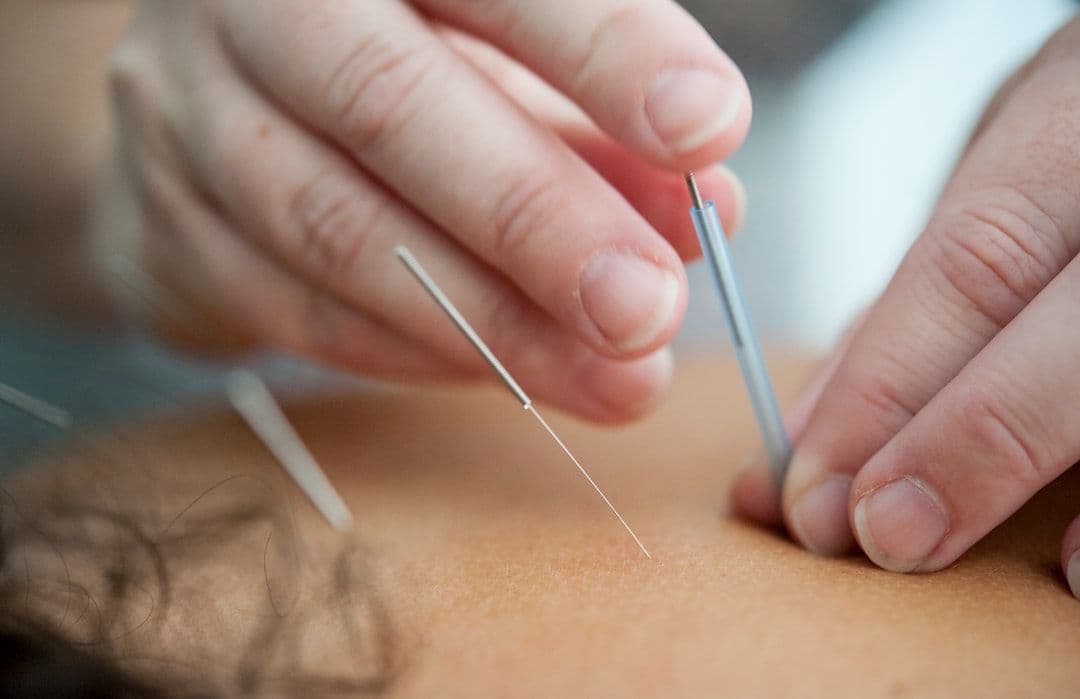
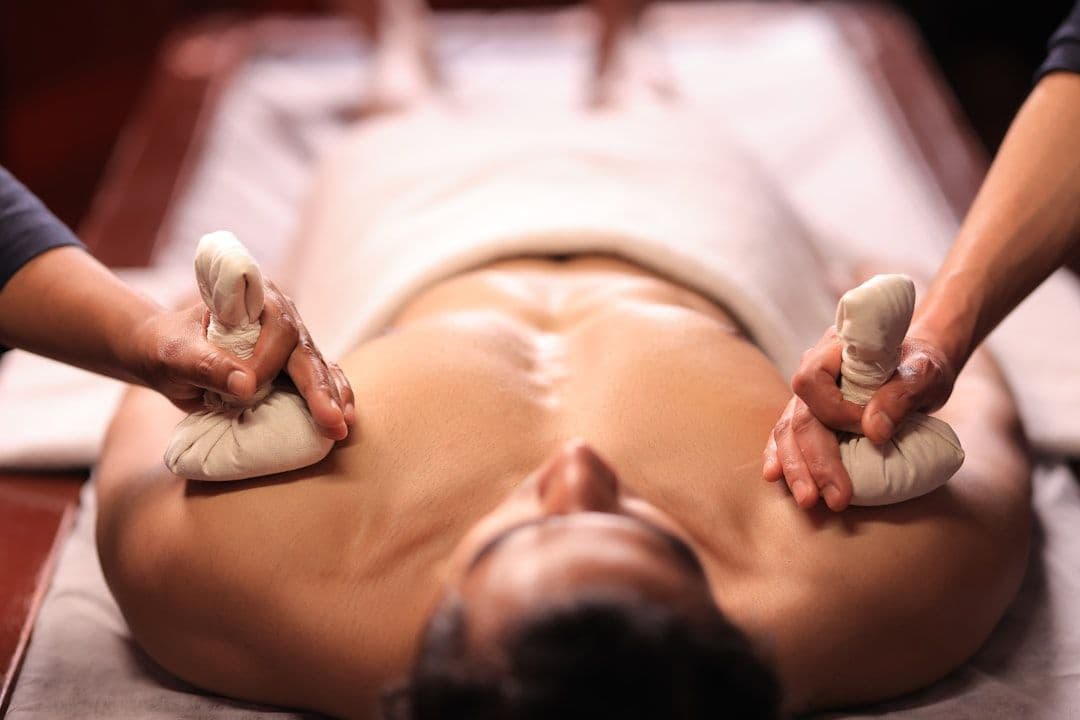
What it is
A whole-person approach blending nutrition, stress care, and lifestyle support for healing.
Body Healing is a holistic approach that combines various therapeutic techniques to support the body's natural healing processes, includi...
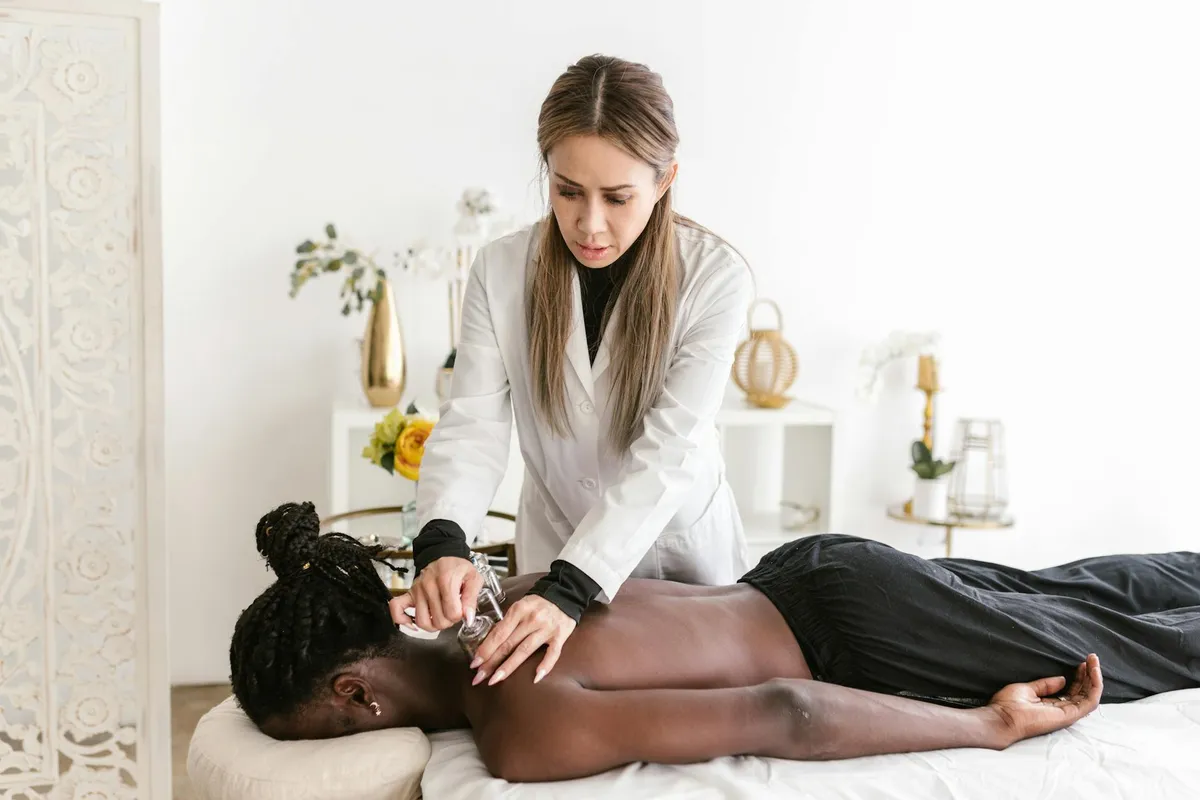
At a glance
What it is
A whole-person approach blending nutrition, stress care, and lifestyle support for healing.
Why explore it
Great for chronic pain, fatigue, or digestive issues as a meaningful complement to conventional care.
How it’s experienced
Your practitioner guides you through diet, sleep, and stress assessments, then builds a personalized plan.
Evidence context
Nutrition and stress management are well-studied; some combined protocols need more research, so ask questions.
See the evidence snapshotSafety
Low-risk overall, but always share your medications with your practitioner and keep your medical team informed.
See staying safeHistory & Origin
Body Healing encompasses various techniques to promote the body's natural healing processes.
Body Healing as a comprehensive approach draws from ancient healing traditions that have recognized the body's innate capacity for self-repair for thousands of years. Traditional Chinese Medicine, Ayurveda, and indigenous healing practices worldwide have long emphasized treating the whole person rather than isolated symptoms, incorporating diet, movement, herbs, and mind-body practices. The modern synthesis of these approaches began emerging in the 20th century as practitioners sought to integrate traditional wisdom with contemporary understanding of physiology and nutrition.
The naturopathic movement of the early 1900s, led by figures like Benedict Lust and Henry Lindlahr, formalized many principles now associated with body healing, emphasizing the healing power of nature and the importance of addressing root causes. The holistic health movement of the 1960s and 70s further popularized these concepts, with practitioners like Andrew Weil and Deepak Chopra helping to mainstream integrative approaches that combine conventional and alternative methods.
Today's body healing practices have evolved to incorporate evidence-based nutritional science, exercise physiology, and stress management techniques while maintaining the foundational principle of supporting the body's natural healing mechanisms. This integration has made body healing approaches more accessible and acceptable within mainstream healthcare settings, though practices and qualifications vary significantly among practitioners.
Mechanism
Body Healing is generally described as working through skilled touch, careful pacing, and the body's response to pressure, movement, warmth, or stillness. Practitioners may focus on muscle tone, joint comfort, circulation, breath, or relaxation depending on the method. Traditional explanations may also include energy flow or whole-person balance. Research support varies by modality, so the experience is best framed as supportive care with outcomes that vary. Body Healing operates on the principle that the body possesses inherent restorative mechanisms which can be activated and supported through targeted interventions addressing physical, emotional, and nutritional imbalances.
Your first visit
A typical session outline to help you feel prepared
A Body Healing session blends a deep health conversation with personalized, hands-on or holistic care designed to support your whole self from the inside out.
You'll arrive and settle in while your practitioner reviews any health forms you've completed. This is a relaxed, judgment-free space to share what's brought you in.
Your practitioner asks about your lifestyle, diet, sleep, stress levels, and symptoms to build a full picture of where you are right now. Expect thoughtful questions that go beyond surface-level concerns.
Together you'll look at what areas need the most attention and outline an approach that may include nutrition, movement, supplements, or hands-on care. You'll understand exactly what today's session w
You'll be guided to a comfortable position, whether seated or lying down, and your practitioner will confirm you're at ease and answer any last questions before beginning.
Your practitioner moves through the agreed techniques, which may include gentle bodywork, breathwork coaching, or applied stress-relief practices. You might notice warmth, release of tension, or a dee
Your practitioner pauses to check how you're responding, adjusting pressure, pace, or focus areas based on your feedback and how your body is reacting in real time.
The active portion slows gradually, giving your nervous system time to integrate. You'll rest briefly before sitting up so you don't feel rushed or lightheaded.
Your practitioner shares simple home practices, dietary tips, or supplement suggestions to carry the session's benefits forward, and you'll discuss whether follow-up visits make sense for your goals.
The Evidence
What research says about Body Healing — and where the evidence is strong, mixed, or still developing.
Strong parts, weaker whole — evidence varies by technique
Individual components like nutrition, exercise, and stress management have solid research support. The integrated, personalised approach as a whole is harder to study, leaving a gap between component-level evidence and whole-system practice.
Dietary interventions, exercise therapy, and stress reduction techniques each have some research support for conditions including cardiovascular health, metabolic conditions, and mental wellbeing. Mind-body practices such as meditation show encouraging findings, though quality and consistency vary across studies. Evidence for the integrated multi-modal approach as a whole remains thinner.
Most clinical trials isolate single interventions, while Body Healing typically combines several approaches tailored to the individual. This mismatch means the evidence base reflects components rather than the whole practice. Absence of large-scale trials for the integrated approach does not confirm ineffectiveness, but it does mean claims should be held cautiously.
This approach aims to consider root contributors — such as inflammation, nutritional gaps, or chronic stress, according to its practitioners — rather than isolated symptoms. This framing differs from conventional biomedical models and reflects a broader philosophy of health that spans multiple traditional systems worldwide.
Whole-person approaches to health have existed across cultures for thousands of years. The modern synthesis emerged through the naturopathic movement of the early 20th century and gained wider visibility through the integrative health movement from the 1960s onward. Body Healing as a distinct practice draws on this lineage by deliberately combining dietary, physical, and mind-body tools into a single personalised framework, rather than operating within any one traditional system alone.
People managing chronic conditions, taking medications, or with a history of disordered eating should consult a qualified healthcare provider before making significant dietary or lifestyle changes. Body Healing approaches should complement — not replace — professional assessment and support for serious health conditions. Always disclose all supplements and medications to your practitioner.
Body Healing is not a single regulated profession, so practitioners may come from naturopathy, integrative nutrition, functional medicine, or other backgrounds. Look for transparent qualifications, a willingness to collaborate with your existing healthcare team, and an approach that avoids inflated outcome claims. A good practitioner will support informed decision-making, not replace it.
Safety first
General guidance to help you decide whether this approach is appropriate for you. This is informational only and not a substitute for medical, psychological, or professional advice.
If you are pregnant, managing a health condition, recovering from injury or surgery, or taking medication, consult a qualified healthcare professional first.
Some situations call for extra care or a different approach. Share any conditions, injuries, or sensitivities with your practitioner before your first session.
Look for clear boundaries, transparent pricing, and practitioners who avoid fear-based claims or pressure to book frequent sessions.
Mild, short-lived effects such as tenderness, tiredness, or temporary soreness can occur. Rest, hydrate, and tell your practitioner how you respond.
For you?
A simple, human way to weigh it up. This is general guidance, not personal medical advice — a qualified practitioner can advise on your situation.
Gyfts is a discovery platform, not a medical provider. Nothing here diagnoses, treats or replaces professional care. In an emergency, contact your local emergency number.
Explore approaches
Other practices people often explore alongside body healing.
In their words
FAQ
A typical session involves a detailed discussion of your health history, current symptoms, and lifestyle factors. Your practitioner will then develop a personalized treatment plan that may include nutritional recommendations, supplements, stress management techniques, and self-care practices. The approach is collaborative, with you playing an active role in your healing journey.
The number of sessions varies greatly depending on your individual health concerns and goals. Most people begin seeing improvements within 4-6 weeks of consistent implementation of their personalized protocol. Initial treatment phases typically involve 4-8 sessions over 2-3 months, followed by less frequent maintenance visits as your health stabilizes.
Yes, body healing approaches are generally designed to complement conventional medical care. However, it's essential to inform all your healthcare providers about any treatments, supplements, or significant lifestyle changes you're making to ensure safety and avoid potential interactions.
Look for practitioners with relevant certifications in their specific areas of expertise, such as nutrition, herbalism, or other healing modalities. Many qualified practitioners hold degrees in naturopathy, nutrition, or related health fields. Always verify credentials and choose practitioners who work collaboratively with conventional healthcare when needed.
Body healing as a practice category refers to a broad, integrative approach to working with the body as a site of stored experience, tension, and wisdom — rather than a specific technique. Practitioners may draw on somatic therapy, breathwork, movement, energy work, or touch, guided by the individual's needs and what arises in the session. The emphasis is on the body as an intelligent system capable of self-repair when supported appropriately. This contrasts with specific modalities like physiotherapy or massage, which apply defined protocols. Body healing sessions tend to be more responsive and less structured.
References
Educational sources that inform this overview. Inclusion is for context and does not imply endorsement.
Full citations are maintained by the Gyfts editorial team and reviewed periodically.
Keep exploring
Browse practitioners, explore honest overviews, and take what you learn to a conversation — at your own pace.