What it is
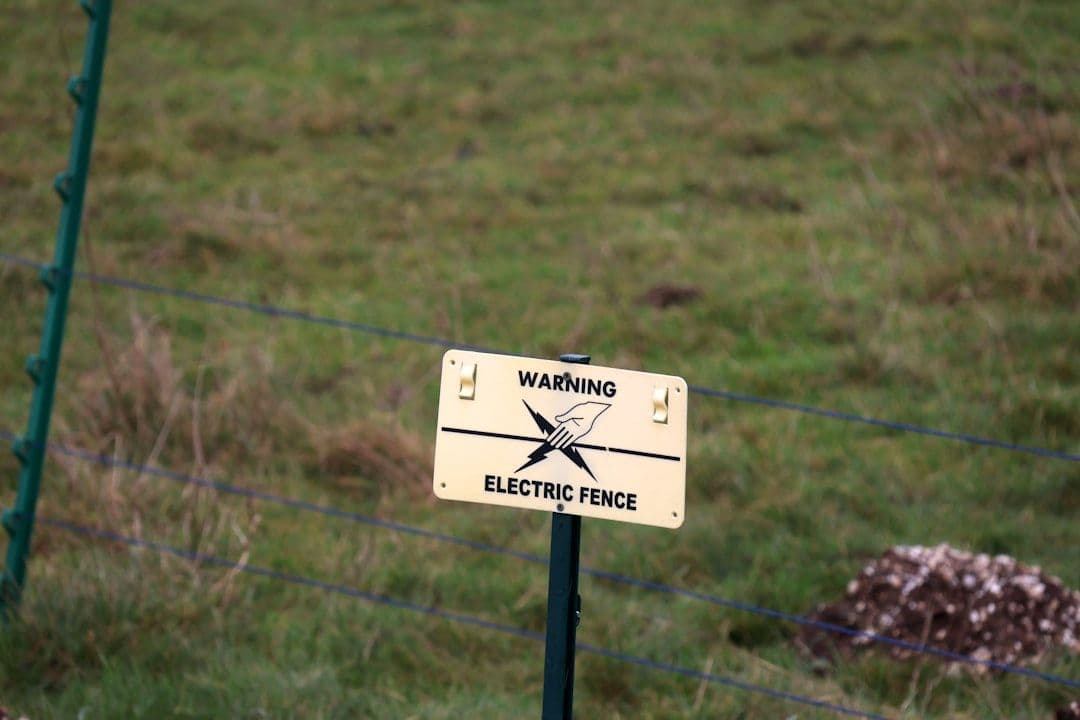
Earthing means bare skin contact with the Earth to absorb its natural electrons.
Earthing, also known as grounding, is a wellness practice involving direct physical contact with the Earth's surface to promote relaxatio...
At a glance
What it is
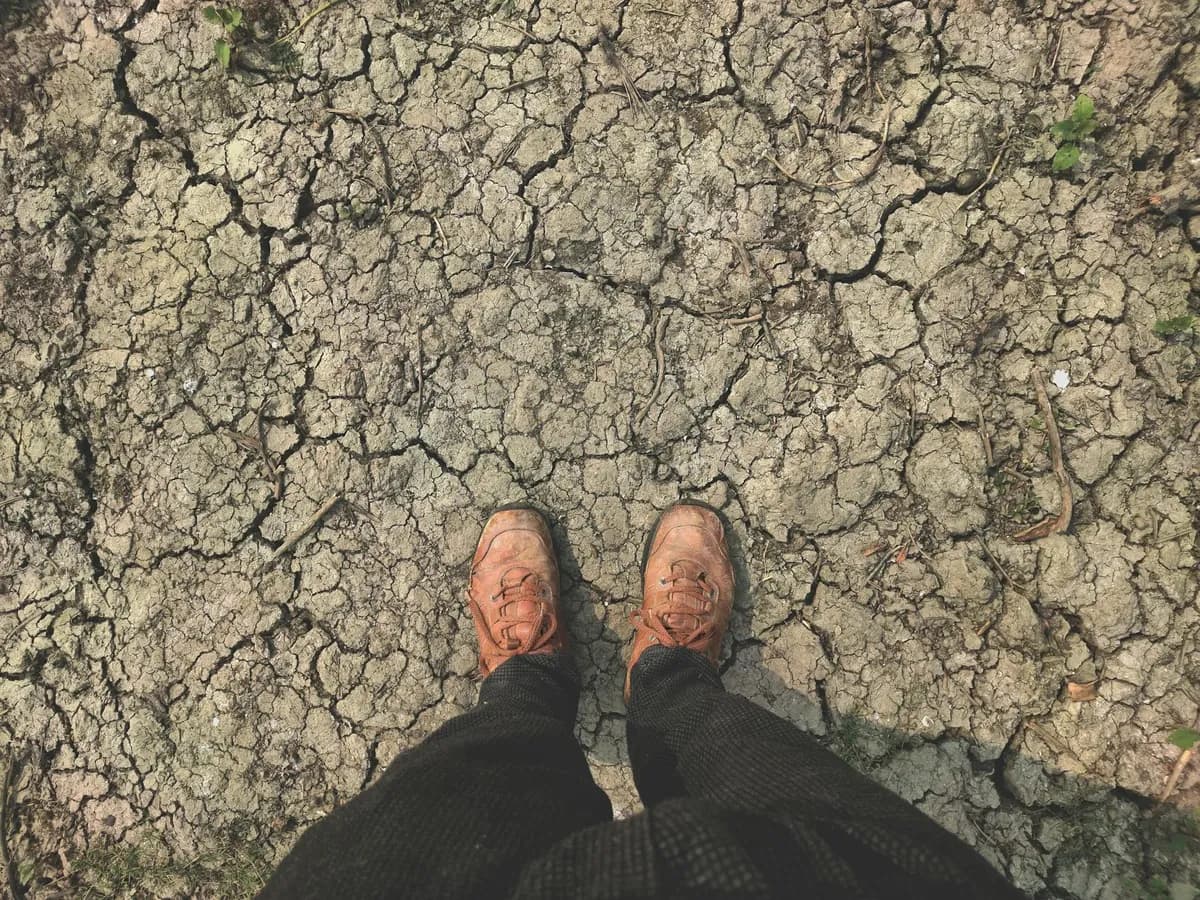
Earthing means bare skin contact with the Earth to absorb its natural electrons.
Why explore it
Fans report better sleep, less stress, and faster recovery from simply touching the Earth.
How it’s experienced
Walk barefoot on grass or sand for 20-30 minutes, or use an indoor grounding mat year-round.
Evidence context
Early studies show promising hints around sleep and inflammation, but research is still growing.
See the evidence snapshotSafety
Generally low-risk, but those with diabetes or blood thinners should check with a doctor first.
See staying safeHistory & Origin
Earthing involves connecting with the Earth's energy through direct contact with the ground.
Earthing as a modern wellness practice emerged in the early 2000s, gaining particular prominence through the work of Clinton Ober, a retired cable television executive who developed the concept after experiencing personal health improvements from grounding. Ober's observations led to systematic research exploring the potential bioelectrical effects of direct Earth contact, with the theory suggesting that free electrons from the Earth's surface may have antioxidant properties. The practice drew on ancient traditions from various cultures—including traditional Chinese medicine, Ayurveda, and indigenous practices—which emphasized the healing power of connection to nature and the Earth's energy. While rooted in traditional wellness philosophies spanning millennia, the contemporary earthing movement formalized in the 21st century through books, research initiatives, and the development of grounding products designed to facilitate Earth contact even indoors. The practice has since grown into a global wellness trend, with practitioners and enthusiasts promoting earthing through direct barefoot contact with soil, sand, grass, and water, as well as through grounding mats and patches marketed for indoor use.
Mechanism
Earthing is best framed as a traditional, symbolic, energetic, reflective, or spiritual practice rather than a validated medical mechanism. Practitioners may use ritual, attention, sound, imagery, touch-free work, cards, symbols, prayer, or intention to support meaning-making and a sense of connection. People may explore it for reflection, calm, or spiritual context, while health claims should remain cautious and personal. Earthing is based on the theory that direct physical contact with the Earth's surface allows the body to absorb free electrons, which are thought to act as natural antioxidants.
Your first visit
A typical session outline to help you feel prepared
A grounding session gently reconnects you with the Earth's natural electrical field, whether outdoors on bare ground or indoors using a grounding device, to support relaxation and wellbeing.
Your guide will warmly greet you and ask a few questions about your sleep, stress levels, and lifestyle to understand how Earthing might best support you.
Together you'll explore your daily routine, including how much time you spend outdoors, to help your guide recommend the most practical Earthing approach for you.
Your guide will walk you through the options — barefoot on grass, sand, or soil outdoors, or an indoor grounding mat or sheet — and help you choose what feels right.
If outdoors, you'll remove your shoes and socks and place your bare feet directly on the earth. Indoors, you'll be shown how to correctly set up and connect your grounding device.
You'll spend quiet time standing, sitting, or lying while in contact with the ground, allowing your body to relax. Your guide may suggest slow breathing to help you tune in.
Your guide will invite you to notice subtle shifts like warmth, tingling in your feet, a feeling of heaviness, or a gentle calm spreading through your body — all normal responses.
After 20 to 40 minutes, your guide will check in with you, inviting you to share what you noticed and answering any questions about what you experienced.
You'll leave with simple guidance on how to build Earthing into your daily routine, including suggested durations and tips for staying consistent through different seasons.
The Evidence
Earthing has attracted genuine scientific curiosity, but the evidence base is still early-stage. Here is an honest look at what is and is not yet known.
Promising early signals, but research is still maturing
Small studies suggest earthing may influence stress markers, sleep, and inflammation, but findings are preliminary. High-quality trials are limited, and many results have not yet been independently replicated.
Research since the early 2000s has explored earthing's potential effects on cortisol rhythms, heart rate variability, and perceived stress. Most studies are small, lack rigorous placebo controls, and have not been independently replicated. The evidence is best described as emerging rather than established.
One challenge in earthing research is separating grounding itself from related factors such as time spent outdoors, reduced screen exposure, and mindfulness. These overlapping influences are common in holistic practices and make it difficult to attribute outcomes to any single element.
Earthing theory proposes that free electrons absorbed through skin contact with the Earth may act as antioxidants, reducing oxidative stress and inflammation. This mechanism is not implausible, but it remains contested and unproven within mainstream biomedical research. Further rigorous investigation is needed.
Practices emphasising physical and symbolic connection to the Earth appear across traditional Chinese medicine, Ayurveda, and various indigenous traditions. The contemporary earthing movement formalised these ideas in the early 2000s, adding a bioelectrical framework. Traditional context provides cultural depth but does not substitute for clinical evidence.
People with diabetes, neuropathy, cardiovascular conditions, or those taking blood-thinning medications should consult a healthcare provider first. When practising outdoors, check for sharp objects, contaminated soil, ticks, and irritant plants. Avoid barefoot earthing over open wounds or active skin infections.
Earthing should not be used in place of professional assessment or evidence-based care for any health condition. Inflated outcome claims circulate in some wellness spaces and go beyond what current evidence supports. Gyfts presents earthing as a complementary practice to explore alongside, not instead of, qualified care.
Safety first
General guidance to help you decide whether this approach is appropriate for you. This is informational only and not a substitute for medical, psychological, or professional advice.
If you are pregnant, managing a health condition, recovering from injury or surgery, or taking medication, consult a qualified healthcare professional first.
Some situations call for extra care or a different approach. Share any conditions, injuries, or sensitivities with your practitioner before your first session.
Look for clear boundaries, transparent pricing, and practitioners who avoid fear-based claims or pressure to book frequent sessions.
Mild, short-lived effects such as tenderness, tiredness, or temporary soreness can occur. Rest, hydrate, and tell your practitioner how you respond.
For you?
A simple, human way to weigh it up. This is general guidance, not personal medical advice — a qualified practitioner can advise on your situation.
Gyfts is a discovery platform, not a medical provider. Nothing here diagnoses, treats or replaces professional care. In an emergency, contact your local emergency number.
Explore approaches
Other practices people often explore alongside earthing.
In their words
FAQ
Most practitioners recommend 20 to 40 minutes of direct ground contact per session. Some suggest starting with 15 to 20 minutes and gradually increasing duration as you become more comfortable. Many people find daily practice most beneficial, though even a few sessions per week may provide noticeable effects. Listen to your body and adjust duration based on your schedule and comfort level.
Yes. If outdoor access is limited, grounding mats, patches, and other conductive devices are available to simulate Earth contact indoors. These products are designed to connect you electrically to the Earth through your home's grounding system or external grounding rods. While anecdotal reports support their use, scientific evidence for these products is less robust than for direct barefoot contact.
Experiences vary widely. Many people report feeling relaxed, calm, or pleasantly heavy after 10 to 20 minutes. Some notice warmth, tingling, or a sense of energy flow. Others may feel no immediate sensation but notice improved sleep or mood over subsequent hours and days. There is no 'correct' experience—subtle effects are common and valid.
For typically developing children, barefoot outdoor play serves as natural earthing and is safe and beneficial. Supervised outdoor ground contact is encouraged. For children with specific health conditions, consult a pediatrician before introducing formal earthing practice.
Earthing specifically emphasizes direct physical contact with the Earth's surface and the potential bioelectrical effects this may provide. Meditation and other grounding practices focus on mental presence and nervous system regulation. Many people combine both—practicing mindfulness or breathing exercises while earthing to deepen relaxation.
Barefoot contact is considered most effective for earthing, though some research suggests conductive shoes may provide partial benefit. Winter practice is possible in milder climates; in snowy regions, grounding mats or indoor alternatives become more practical. Consistency matters more than perfect conditions—even brief barefoot contact in winter can support your practice.
References
Educational sources that inform this overview. Inclusion is for context and does not imply endorsement.
Full citations are maintained by the Gyfts editorial team and reviewed periodically.
Keep exploring
Browse practitioners, explore honest overviews, and take what you learn to a conversation — at your own pace.