What it is
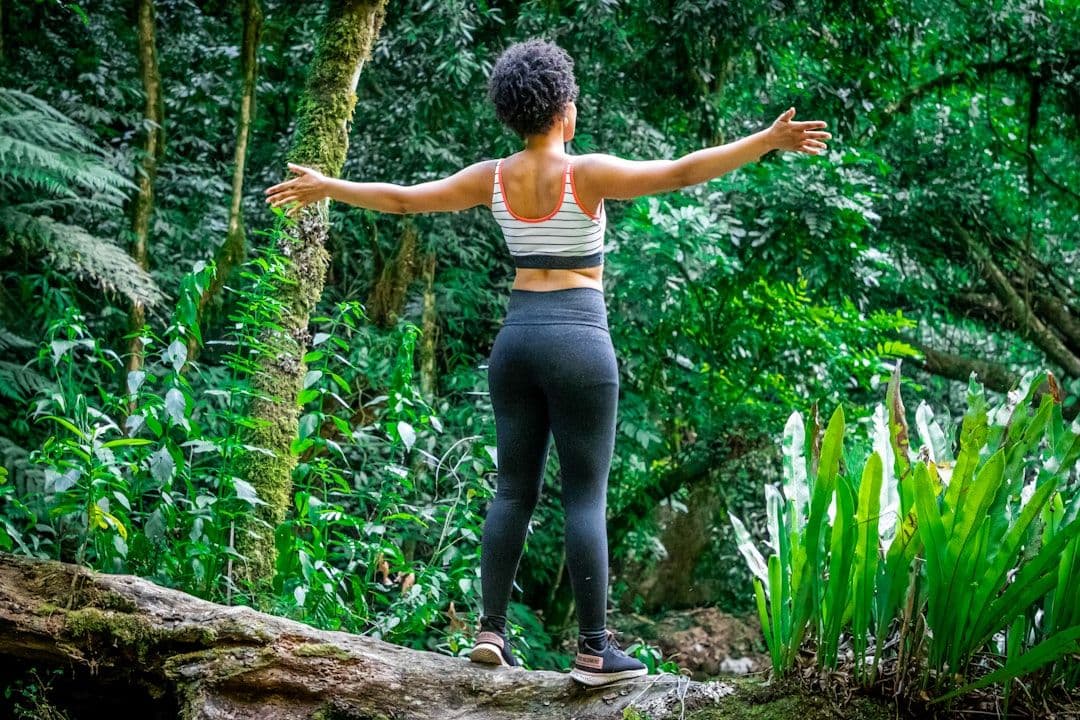
Shinrin-yoku is the Japanese art of slow, mindful immersion in a forest setting.
Return to the forest. Return to yourself.
At a glance
What it is
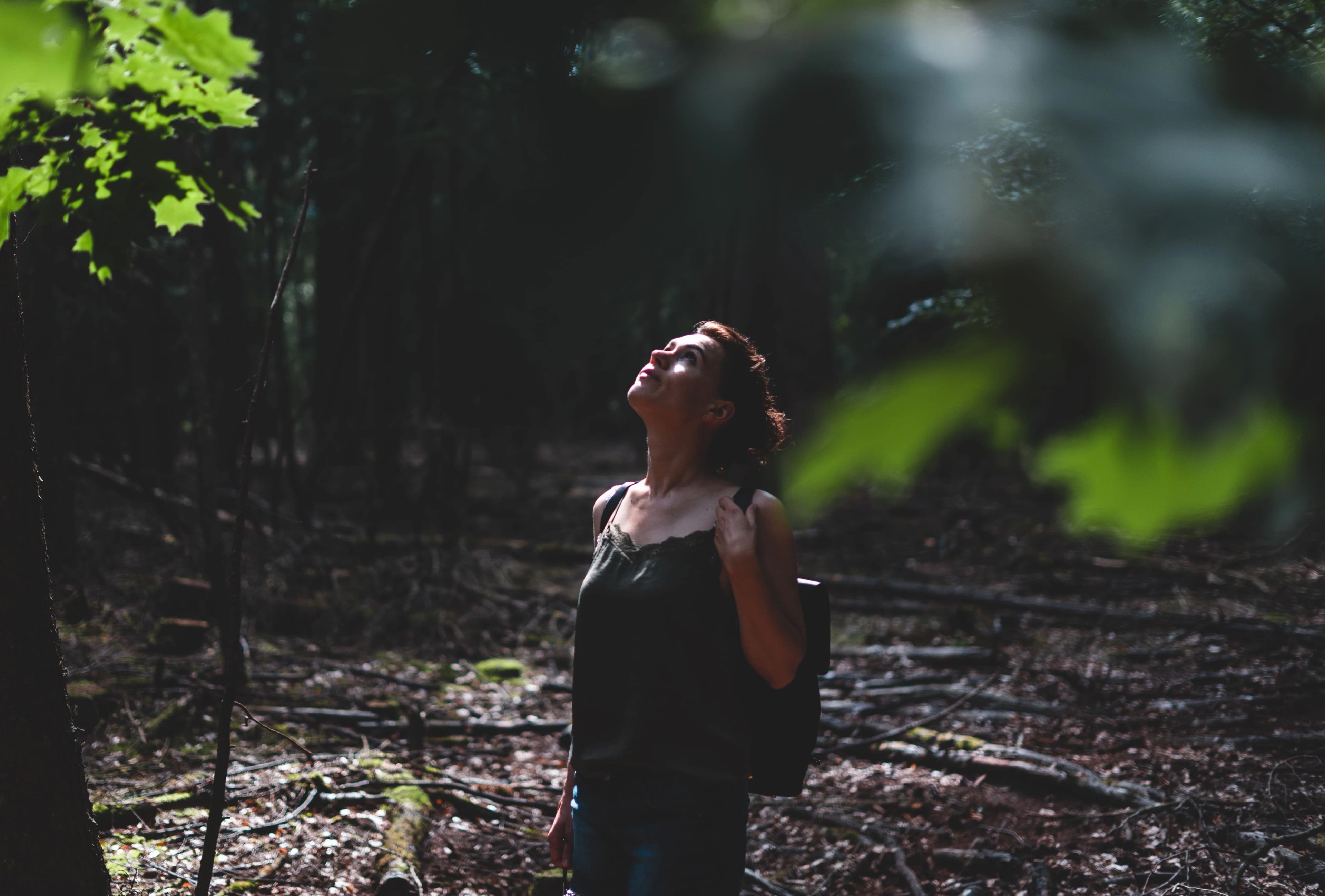
Shinrin-yoku is the Japanese art of slow, mindful immersion in a forest setting.
Why explore it
It may ease stress and mental fatigue, offering a gentle, nature-based boost to your wellness routine.
How it’s experienced
Expect a quiet 1–3 hour walk in the woods, tuning into sounds, scents, textures, and light.
Evidence context
Early research is promising for mood and stress relief, though studies are still small-scale.
See the evidence snapshotSafety
It's low-risk for most people — just plan for ticks, weather, and any personal health needs.
See staying safeHistory & Origin
Forest bathing, known in Japanese as Shinrin-yoku, is a wellness practice centered on the deliberate, mindful immersion in a natural forest environment. Unlike hiking or outdoor exercise, forest bathing is not about physical exertion or reaching a destination — it is about slowing down and engaging all five senses with the natural world around you. Participants are encouraged to walk slowly, breathe deeply, and attune themselves to the sights, sounds, textures, and scents of the forest with an unhurried, open awareness.
The practice emerged from Japan in the 1980s as a response to growing concerns about urban stress and technology overload. Since then, it has been the subject of increasing scientific interest, particularly in Japan and South Korea, where government-backed research programs have examined its potential effects on human health. Researchers have explored how time spent in forest environments may be associated with changes in physiological stress markers, immune function, mood, and cardiovascular indicators.
Forest bathing sits at the intersection of nature therapy, mindfulness, and preventive wellness. It requires no special equipment, no prior training, and no particular fitness level — only access to a wooded or natural green space and a willingness to be present. Many practitioners and health educators position it as a complementary wellness tool that may support overall well-being alongside conventional health care, rather than as a standalone medical treatment. Its growing popularity reflects a broader cultural shift toward nature-based approaches to stress management and mental wellness.
Shinrin-yoku — literally translated as 'forest bath' or 'taking in the forest atmosphere' — was formally introduced as a concept by Japan's Ministry of Agriculture, Forestry, and Fisheries in 1982. The term was coined in part to encourage Japanese citizens to reconnect with the country's extensive forested lands while also addressing growing public health concerns related to urban stress, overwork, and sedentary lifestyles.
While the formal term was new, the underlying impulse is ancient. Japanese culture has long held a deep aesthetic and spiritual appreciation for nature, reflected in traditions such as hanami (flower viewing), moss gardens, and the concept of satoyama — the harmonious interface between human communities and surrounding natural landscapes. The Shinto and Buddhist traditions that have shaped Japanese cultural life both emphasize a reverence for the natural world.
In the decades following its introduction, Japanese research institutions began conducting scientific investigations into the physiological effects of forest environments, and dedicated Shinrin-yoku therapy trails were established across the country. The practice has since spread globally, gaining traction in South Korea, Europe, the United States, and beyond. International organizations and training programs now certify forest therapy guides, and the practice has been integrated into some integrative health, mental wellness, and corporate well-being programs worldwide.
Mechanism
Forest bathing is believed to work through a combination of sensory, biochemical, and psychological mechanisms that are supported by a growing body of research.
Your first visit
A typical session outline to help you feel prepared
A forest bathing session gently guides you through nature using your senses, moving slowly and mindfully to help you reconnect with the natural world.
Your guide greets you at the forest edge and introduces themselves and the group. There is no agenda to rush through — just a brief, relaxed explanation of what the next couple of hours will feel like.
Before stepping into the forest, your guide invites you to set a simple, personal intention — perhaps to slow down, notice beauty, or simply rest. There are no right or wrong answers here.
You are invited to pause at the edge of the forest and take a few slow breaths, marking the transition from everyday pace into something quieter. This small ritual signals to your body and mind that i
Your guide offers a series of gentle prompts called invitations — you might be asked to notice what your eyes are drawn to, listen for the furthest sound you can hear, or feel the texture of bark unde
At some point you are given unstructured time to wander slowly on your own, following your curiosity without a destination in mind. You might sit against a tree, watch light filter through leaves, or
Your guide will invite you to find a spot to sit quietly for an extended period, often ten to twenty minutes. With no task to complete, you simply observe what is happening around you as the forest co
The group gathers together to share what they noticed, felt, or wondered about during the session. Sharing is always optional, and there is no pressure to speak — listening is equally valued.
Your guide closes the session with a simple acknowledgment of the time spent together, sometimes offering tea made from foraged or local plants. You are encouraged to carry the slower pace with you fo
The Evidence
What the research currently says about forest bathing, where it is strong, and where important gaps remain.
Promising research, with meaningful limitations to understand
Forest bathing has a growing body of peer-reviewed research behind it, particularly from Japan and South Korea. Current evidence suggests potential benefits for stress markers, mood, and immune function, but study quality and standardization vary considerably.
Studies have examined cortisol levels, blood pressure, mood, anxiety, and immune markers, with several systematic reviews finding favorable associations compared to urban control conditions. The evidence is more substantial than many wellness practices, but most studies are small, short in duration, and concentrated in a limited number of countries.
Many studies lack robust control groups, rely on self-reported outcomes, or follow participants for only brief periods. What counts as a forest bathing session varies widely across studies, making direct comparisons difficult. Publication bias and geographic concentration of research are also worth noting when weighing the overall picture.
The practice is best understood as a nature-based wellness approach that may support stress recovery, mood, and general well-being through sensory engagement with natural environments. It is not a substitute for professional assessment or care, and inflated outcome claims should be viewed critically.
Japan's Ministry of Agriculture, Forestry, and Fisheries coined the term to encourage reconnection with forested land and address urban health concerns. The underlying appreciation for nature is deeply embedded in Japanese aesthetic and spiritual traditions, including Shinto and Buddhist influences, long predating the formal practice.
Awareness of local wildlife, ticks, uneven terrain, weather, and sun exposure is recommended. Those with pollen allergies, asthma, or respiratory sensitivities should consider seasonal conditions. People with mobility challenges may need modified settings. Anyone with pre-existing health conditions should consult a qualified healthcare provider before starting.
Trained guides, some certified through bodies such as the Association of Nature and Forest Therapy, can help participants engage more intentionally with the practice. For individuals managing health conditions, combining forest bathing with support from a qualified healthcare provider ensures it complements rather than replaces appropriate professional care.
Safety first
General guidance to help you decide whether this approach is appropriate for you. This is informational only and not a substitute for medical, psychological, or professional advice.
If you are pregnant, managing a health condition, recovering from injury or surgery, or taking medication, consult a qualified healthcare professional first.
Some situations call for extra care or a different approach. Share any conditions, injuries, or sensitivities with your practitioner before your first session.
Look for clear boundaries, transparent pricing, and practitioners who avoid fear-based claims or pressure to book frequent sessions.
Mild, short-lived effects such as tenderness, tiredness, or temporary soreness can occur. Rest, hydrate, and tell your practitioner how you respond.
For you?
A simple, human way to weigh it up. This is general guidance, not personal medical advice — a qualified practitioner can advise on your situation.
Gyfts is a discovery platform, not a medical provider. Nothing here diagnoses, treats or replaces professional care. In an emergency, contact your local emergency number.
Explore approaches
Other practices people often explore alongside forest bathing.
In their words
Before you book
FAQ
A guide is not required, and many people practice forest bathing independently with positive results. However, working with a trained guide — especially when starting out — can help you slow down, engage your senses more intentionally, and get more out of the experience. Certified forest therapy guides are available in many cities and regions.
Hiking typically emphasizes movement, distance, and physical exercise, while forest bathing is intentionally slow and sensory-focused. The goal is not to reach a destination but to be fully present in the environment. A forest bathing session might cover less than a mile over two hours, with frequent pauses for observation, breathing, and quiet awareness.
Forest bathing has a growing body of peer-reviewed research behind it, particularly from Japan and South Korea, examining effects on stress hormones, immune markers, blood pressure, and mood. The current evidence is rated as moderate — promising but not yet definitive — and more large-scale, well-controlled studies are needed to draw firm clinical conclusions.
References
Educational sources that inform this overview. Inclusion is for context and does not imply endorsement.
Full citations are maintained by the Gyfts editorial team and reviewed periodically.
Keep exploring
Browse practitioners, explore honest overviews, and take what you learn to a conversation — at your own pace.