What it is
A mind-body practice using mental imagery and breath to calm your nervous system.
Guided visualization (guided imagery) is a mind–body technique that uses directed mental images, often paired with breathing or relaxatio...
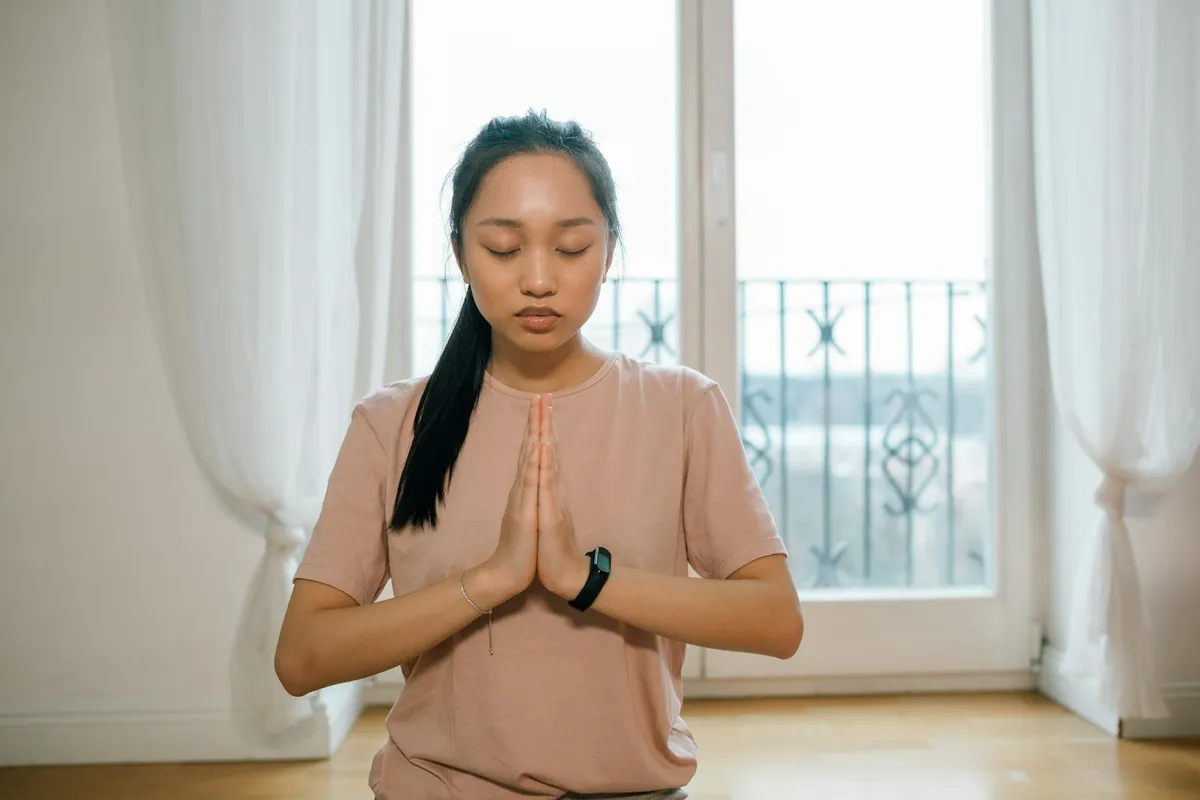
At a glance
What it is
A mind-body practice using mental imagery and breath to calm your nervous system.
Why explore it
It may ease anxiety, pain, and stress by tapping into how your brain responds to imagination.
How it’s experienced
A guide or recording leads you through calming scenes in sessions that run about 10 to 30 minutes.
Evidence context
Research shows solid benefits for anxiety and pain, supporting its use alongside conventional care.
See the evidence snapshotSafety
Low-risk for most, though those with trauma histories should seek informed guidance before starting.
See staying safeHistory & Origin
Guided Visualization uses visualization techniques to promote relaxation, reduce stress, and achieve specific goals.
Guided imagery has roots in longstanding contemplative and therapeutic practices and has been integrated into modern mind–body and behavioral health programs as a structured relaxation and coping skill.
Mechanism
Guided Visualization is best framed as a traditional, symbolic, energetic, reflective, or spiritual practice rather than a validated medical mechanism. Practitioners may use ritual, attention, sound, imagery, touch-free work, cards, symbols, prayer, or intention to support meaning-making and a sense of connection. People may explore it for reflection, calm, or spiritual context, while health claims should remain cautious and personal. Guided visualization works by directing attention inward through spoken or recorded instructions that prompt you to create detailed mental images—typically of calming scenes, positive outcomes, or healing scenarios.
Your first visit
A typical session outline to help you feel prepared
A guided visualization session gently leads you through relaxing imagery and sensory scenes to support calm, comfort, or positive mental rehearsal.
Your facilitator greets you and explains how the session works, so you know exactly what to expect. You may be invited to sit or lie down in a comfortable position.
You briefly share what you hope to experience, such as stress relief, confidence, or a sense of peace. This helps the facilitator tailor the imagery and language to what resonates with you.
You are guided to close your eyes and find a relaxed, supported position. The facilitator may suggest loosening tight clothing, removing shoes, or using a blanket to help you feel at ease.
The facilitator walks you through slow, deepening breaths and a gentle body scan to release tension. You may notice a pleasant heaviness or warmth as your muscles begin to soften.
Using calm, descriptive language, the facilitator begins painting a sensory scene, inviting you to imagine sights, sounds, textures, and even scents. You are not required to see vivid pictures; any se
You move through the imagined landscape or scenario at a gentle pace, with the facilitator offering prompts that support your session goal. This is the heart of the session and may last ten to thirty minutes.
The facilitator slowly brings you back to present awareness, counting up or using soft language to invite you to reconnect with the room and your body. There is no rush here.
You are invited to share anything that felt meaningful, and the facilitator may suggest ways to revisit the imagery on your own between sessions. Drinking water and resting gently afterward is encouraged.
The Evidence
What research says about guided visualization, where the evidence is strong, and where important gaps remain.
Promising findings, with meaningful limitations to understand
Systematic reviews support guided imagery for anxiety, pain, and quality of life outcomes, particularly within broader relaxation programs. Study heterogeneity and variable quality mean results should be interpreted with appropriate caution.
Systematic reviews and meta-analyses find guided imagery associated with reduced anxiety, improved pain coping, and better quality of life in several populations. However, heterogeneity across studies—different formats, populations, and outcome measures—makes firm conclusions difficult. Effects are generally modest and most pronounced when visualization is part of a broader relaxation or mind-body program.
It appears in oncology support, pre-procedure anxiety preparation, chronic pain programs, and sleep interventions. It is typically offered as an adjunct skill alongside standard care, not as a standalone intervention. Evidence is strongest for anxiety and pain-related outcomes; evidence for other applications is more limited.
Guided visualization sits within Gyfts' Metaphysical category partly because some approaches emphasize intention, inner imagery, and consciousness in ways that extend beyond standard psychological framing. These dimensions are meaningful to many practitioners and users. Gyfts presents both the evidence-supported and the experiential aspects without conflating them.
Most studies have small samples, lack active control groups, and rely on self-reported outcomes. It is difficult to isolate visualization effects from general relaxation or therapeutic attention. Inflated outcome claims sometimes appear in popular contexts; the research base does not support these. Benefits observed in trials are generally modest and context-dependent.
Most people tolerate guided visualization well. Some individuals may encounter distressing imagery; stopping the exercise immediately is appropriate if this occurs. People with severe dissociation or trauma-related symptoms should seek trauma-informed facilitation before engaging. This is a supportive skill and not a substitute for professional assessment or mental health care.
It is delivered by psychologists, counselors, integrative health coaches, and independent practitioners. Credentials and training vary widely. For general relaxation, self-guided audio programs are widely available and low-risk. If you have a mental health condition or complex health needs, discuss this practice with a qualified health professional before starting.
Safety first
General guidance to help you decide whether this approach is appropriate for you. This is informational only and not a substitute for medical, psychological, or professional advice.
Some situations call for extra care or a different approach. Share any conditions, injuries, or sensitivities with your practitioner before your first session.
If you are pregnant, managing a health condition, recovering from injury or surgery, or taking medication, consult a qualified healthcare professional first.
Look for clear boundaries, transparent pricing, and practitioners who avoid fear-based claims or pressure to book frequent sessions.
Mild, short-lived effects such as tenderness, tiredness, or temporary soreness can occur. Rest, hydrate, and tell your practitioner how you respond.
For you?
A simple, human way to weigh it up. This is general guidance, not personal medical advice — a qualified practitioner can advise on your situation.
Gyfts is a discovery platform, not a medical provider. Nothing here diagnoses, treats or replaces professional care. In an emergency, contact your local emergency number.
Explore approaches
Other practices people often explore alongside guided visualization.
In their words
FAQ
Many people use recordings independently, but guided support can help tailor the approach—especially for complex stress or trauma histories.
Common formats range from 5–20 minutes, though structured programs may use longer sessions.
Guided visualisation uses directed imagination — through spoken instruction or recorded audio — to create vivid mental imagery that influences physiological and psychological states. The brain processes imagined scenarios through many of the same neural pathways as real experience: imagining a calming place activates the parasympathetic nervous system; imagining confident performance activates motor and premotor cortex areas. This is the basis for its use in anxiety reduction, pain management, performance preparation, and healing support.
Guided visualisation has evidence across several areas. In cancer care, multiple studies show reductions in anxiety, nausea, and pain with regular practice. Pre-operative visualisation reduces post-surgical pain and recovery time in several RCTs. Sports psychology uses mental rehearsal (a form of guided visualisation) as a core performance tool — with strong evidence for skill improvement and competition preparation. Guided imagery for anxiety and stress reduction has moderate evidence. It is also used in chronic pain management, where visualising pain reduction or body healing can modulate pain perception.
Yes — and this is one of its significant advantages. Once introduced by a practitioner, guided visualisation can be practised independently using recorded audio, apps, or self-guided scripts. Daily practice of 10–20 minutes produces the most consistent results. For clinical applications (pre-surgery preparation, cancer support, chronic pain), professionally designed programmes are preferable to generic relaxation recordings. For general stress reduction and sleep support, widely available guided imagery recordings are effective for most people. Consistency of practice matters more than the specific format used.
References
Educational sources that inform this overview. Inclusion is for context and does not imply endorsement.
Full citations are maintained by the Gyfts editorial team and reviewed periodically.
Keep exploring
Browse practitioners, explore honest overviews, and take what you learn to a conversation — at your own pace.