What it is
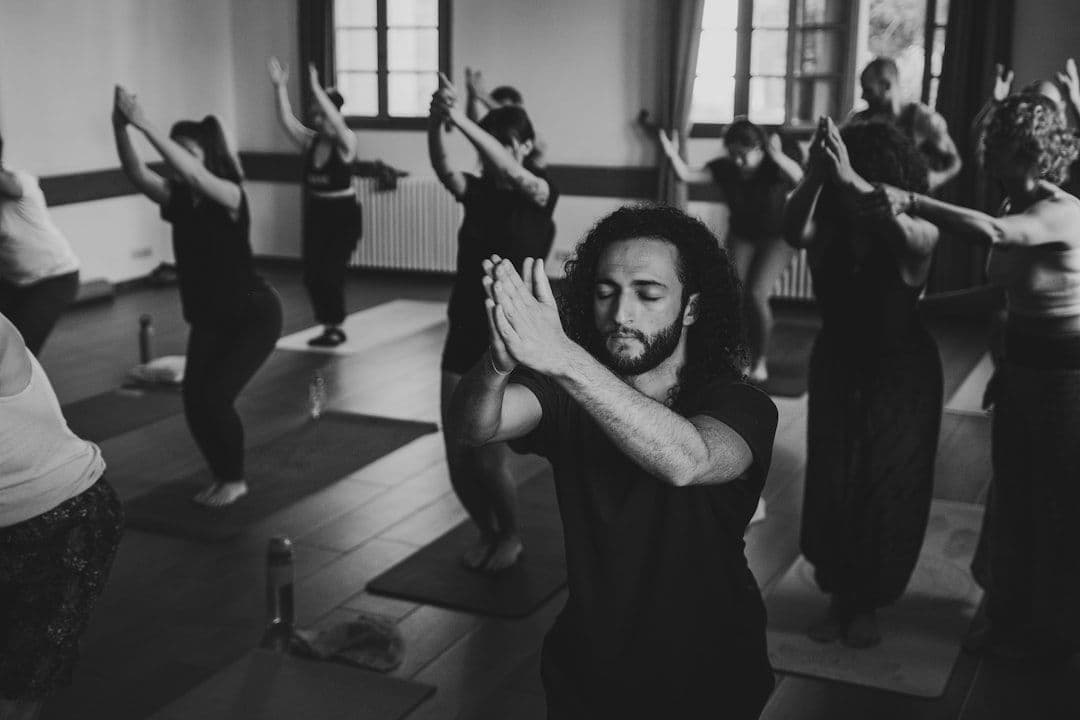
Yoga practiced in a heated studio to build strength, flexibility, and calm.
Hot Yoga is a yoga practice performed in a heated room (typically 95–105°F or higher) to enhance flexibility, promote sweating, and imp...

At a glance
What it is
Yoga practiced in a heated studio to build strength, flexibility, and calm.
Why explore it
Heat may deepen your stretch while breathwork and movement help ease everyday stress.
How it’s experienced
Expect 60–90 sweaty minutes of standing and floor poses — bring water and a towel.
Evidence context
Early research looks promising, but larger studies are still needed to confirm the benefits.
See the evidence snapshotSafety
Generally safe for healthy adults; check with your doctor if you have heart or heat concerns.
See staying safeHistory & Origin
Hot Yoga is a yoga practice performed in a heated room, often used to increase flexibility and promote detoxification.
Hot Yoga emerged in the West during the 1970s, drawing on traditional yoga practices but incorporating the use of elevated room temperatures to intensify the physical experience. The most widely recognized form, Bikram Yoga, was developed by Bikram Choudhury in the 1970s in California, who created a specific sequence of 26 postures performed in a 105°F room. Choudhury claimed the heat mimicked the climate of India and enhanced the benefits of yoga, including improved flexibility and detoxification. Since then, various interpretations of hot yoga have developed, with different studios and instructors offering their own sequences and temperature ranges, allowing practitioners to choose intensity levels that suit their needs. The practice gained significant popularity in Western countries as part of the broader yoga movement, appealing to those seeking a more physically challenging and sweat-inducing practice.
Mechanism
Hot Yoga is usually understood through movement, breath, attention, and repeated practice. A session may invite the body to explore safer patterns, steadier pacing, or a more settled relationship with sensation. Some traditions describe this as balancing energy or awareness, while contemporary explanations may focus on coordination, nervous system regulation, mobility, and confidence. Experiences vary by person, teacher, setting, and consistency. Elevated room temperatures—typically between 32–41°C depending on the style—increase blood flow to muscles and connective tissues, allowing for deeper stretching and greater range of motion.
Your first visit
A typical session outline to help you feel prepared
Hot yoga combines flowing postures and breathwork in a heated room, leaving you feeling wrung out, refreshed, and surprisingly clear-headed all at once.
You'll arrive 10-15 minutes early to sign a waiver, meet the instructor, and mention any injuries or health concerns so they can offer safe modifications throughout class.
You'll step into a room heated to around 95-105°F with high humidity. The heat hits you immediately — lay out your mat and towel, settle in, and give yourself a few minutes to acclimate before class begins.
Class opens with guided breathing exercises while seated or lying down, helping you tune into your body and begin regulating your breath, which anchors you through the heat.
You'll move through a sequence of standing poses like warrior, triangle, and balancing postures. Your instructor cues alignment and offers easier variations — expect to sweat heavily and feel your muscles working hard.
The class shifts to the mat for seated and lying-down poses including backbends, twists, and forward folds. The floor feels noticeably hotter, and this is where deep stretching and opening really sets in.
Class closes with several minutes of stillness in savasana — lying flat on your back. Your heart rate slows, sweat continues to pour, and many people feel a wave of calm or even euphoria wash over them.
Take your time sitting up and leaving the room. Drink water steadily rather than all at once, change clothes, and give your body 15-20 minutes to cool down before heading back into normal activity.
The Evidence
Hot yoga is a popular practice, but the evidence behind its specific claims is still developing. Here is what current research does and does not support.
Promising for flexibility and stress, but claims outpace the data
Small, short-term studies suggest hot yoga may improve flexibility and reduce perceived stress, but robust evidence is lacking. Many popular claims, particularly around detoxification, are not well supported by current science.
Most studies on hot yoga are small and short in duration, making it difficult to draw firm conclusions. Some controlled trials suggest improvements in flexibility and perceived stress. It remains unclear whether benefits come from the heat, the yoga postures, or the social setting, as these factors are rarely separated in study designs.
Current research does not strongly support claims that hot yoga is superior to standard yoga for most outcomes. The detoxification narrative is a notable example of inflated outcome claims — sweating does not meaningfully enhance the liver or kidneys' natural filtering functions. Consumers should approach marketing language with healthy scepticism.
As an Alternative practice, hot yoga is not part of standard clinical care pathways. It draws on traditional yoga postures while adding a Western-developed heat component. It may complement other health habits but is not a substitute for professional assessment or management of health conditions.
The most recognised form, Bikram Yoga, was developed in California in the 1970s. Its creator claimed the heated room replicated Indian climate conditions and enhanced yoga's benefits. Since then, many studios have developed their own heated formats, varying in temperature and sequence, making hot yoga a diverse and evolving category.
People with heart conditions, high blood pressure, diabetes, heat sensitivity, or those who are pregnant should consult a healthcare provider before attending. Dehydration is a real risk — hydrate well before, during, and after class. Anyone feeling dizzy, nauseous, or unwell during a session should leave the heated room immediately.
Hot yoga is not recommended for those with uncontrolled hypertension, acute heart conditions, active fever or infection, severe dehydration, or a history of heat stroke or heat-related illness. Those taking medications that affect hydration or heat tolerance should check with their doctor before participating.
Safety first
General guidance to help you decide whether this approach is appropriate for you. This is informational only and not a substitute for medical, psychological, or professional advice.
If you are experiencing severe distress, suicidal thoughts, psychosis, acute trauma, or another serious mental health concern, seek qualified support first.
This approach is not suitable for diagnosis, treatment instructions, or decisions that require medical, legal, financial, or professional advice.
Look for clear boundaries, transparent pricing, and practitioners who avoid fear-based claims or pressure to book frequent sessions.
Treat any insight as one reflective perspective, not absolute truth. Important decisions should be considered with appropriate professional support.
For you?
A simple, human way to weigh it up. This is general guidance, not personal medical advice — a qualified practitioner can advise on your situation.
Gyfts is a discovery platform, not a medical provider. Nothing here diagnoses, treats or replaces professional care. In an emergency, contact your local emergency number.
Explore approaches
Other practices people often explore alongside hot yoga.
In their words
FAQ
A typical session lasts 60–90 minutes in a room heated to 95–105°F (or higher in some styles). You begin with breathing exercises, then move through a series of yoga postures held for several breaths each. The heat encourages increased flexibility and perspiration. Classes end with cool-down stretches and relaxation. Instructors provide modifications so all levels can participate safely.
Many practitioners notice improvements in flexibility and stress reduction within 2–4 weeks of regular practice (2–3 times per week). Strength and cardiovascular benefits typically develop over 8–12 weeks of consistent attendance. Long-term practitioners continue indefinitely as part of a wellness routine, though benefits plateau and require ongoing practice to maintain.
Hot yoga can be done by beginners, but it is important to start cautiously. Consider beginning with a cooler class (80–90°F), informing the instructor of your novice status, and focusing on proper form rather than intensity. Stay well-hydrated and take breaks as needed. If you have health concerns, consult your doctor first.
The claim that sweating 'detoxifies' the body is not well-supported by scientific evidence. While sweating is a natural cooling mechanism and may feel cleansing, the body's detoxification primarily occurs through the liver and kidneys, not the skin. Sweating from hot yoga may help with circulation and relaxation, but detoxification is not a proven primary benefit.
Wear lightweight, breathable, moisture-wicking clothing that allows freedom of movement. Bring a non-slip yoga mat or use the studio's mat, a towel (or two) to manage sweat, and a water bottle for hydration. Many studios provide towels and mats for rent or sale if you prefer not to bring your own.
Yes, if proper precautions are not taken. Heat exhaustion can occur if you become severely dehydrated or overexerted in the heat. Signs include dizziness, nausea, rapid heartbeat, or extreme fatigue. Exit the room immediately and cool down if you experience these symptoms. Heat stroke is rare but serious; seek emergency medical care if you develop confusion, loss of consciousness, or very high body temperature.
The primary difference is the heated environment. Hot yoga uses elevated room temperatures (95–105°F or higher) to increase perspiration and claimed flexibility gains, while regular yoga is performed in a normal room temperature. This makes hot yoga more physically intense and demanding, requiring greater attention to hydration and heat tolerance.
References
Educational sources that inform this overview. Inclusion is for context and does not imply endorsement.
Full citations are maintained by the Gyfts editorial team and reviewed periodically.
Keep exploring
Browse practitioners, explore honest overviews, and take what you learn to a conversation — at your own pace.