What it is
Rolfing uses deep pressure on fascia to improve posture and free up movement.
Rolfing is a hands-on soft tissue manipulation technique that aims to realign the body's structure and improve posture, flexibility, and ...

At a glance
What it is
Rolfing uses deep pressure on fascia to improve posture and free up movement.
Why explore it
It may ease chronic tension, improve posture, and help you move more freely.
How it’s experienced
Expect firm hands-on pressure that feels intense but should never be sharply painful.
Evidence context
Research is growing but limited, and results vary from person to person.
See the evidence snapshotSafety
Generally safe, but check with your doctor if you have injuries, osteoporosis, or are pregnant.
See staying safeHistory & Origin
Rolfing is a structural integration technique aimed at improving posture, alignment, and physical well-being.
Rolfing was developed in the 1950s by Dr. Ida P. Rolf, a biochemist and physiologist who became fascinated by how the body's structural alignment affects overall health and function. After years of studying anatomy, yoga, and osteopathy, Rolf developed a systematic approach to manipulating fascia—the connective tissue that surrounds muscles, bones, and organs—to improve postural alignment and movement efficiency. She founded the Rolf Institute of Structural Integration in 1971 to formalize training and standardize the technique, establishing a 10-series protocol that remains the foundation of Rolfing today.
Rolf's approach was revolutionary because it viewed the body as an integrated whole rather than isolated symptoms, emphasizing that poor alignment creates stress and dysfunction throughout the system. Her work drew from multiple traditions, including osteopathy's structural concepts and fascial understanding. The technique gained popularity in the 1960s and 1970s, particularly among athletes, dancers, and those interested in somatic practices and body awareness.
Since its formalization, Rolfing has spread internationally, with certified practitioners trained through the Rolf Institute and other accredited organizations. The practice evolved to include movement education and awareness alongside the deep tissue work. Today, Rolfing sits within the broader field of structural bodywork and fascia-focused therapies, though it remains a distinctive system with specific training protocols and a dedicated practitioner community.
Mechanism
Rolfing is generally described as working through skilled touch, careful pacing, and the body's response to pressure, movement, warmth, or stillness. Practitioners may focus on muscle tone, joint comfort, circulation, breath, or relaxation depending on the method. Traditional explanations may also include energy flow or whole-person balance. Research support varies by modality, so the experience is best framed as supportive care with outcomes that vary. Rolfing uses sustained, deliberate pressure applied by a practitioner's hands, forearms, and occasionally elbows to manipulate fascia—the connective tissue surrounding muscles, bones, and organs.
Your first visit
A typical session outline to help you feel prepared
A Rolfing session combines movement assessment and hands-on fascial work to gently reshape how your body holds itself in gravity.
Your Rolfer will review your health history, postural patterns, and what brought you in. Expect a relaxed conversation lasting about 10 to 15 minutes covering past injuries, stress, and movement goals.
You'll stand and walk in your underwear or fitted clothing so your Rolfer can observe how your body is organized in gravity. They're looking at how your segments — head, shoulders, pelvis, legs — stac
You'll lie on a padded table, and your Rolfer will explain which area of the body the session targets based on where you are in the 10-series. Early sessions typically focus on breath and the outer layers of tissue.
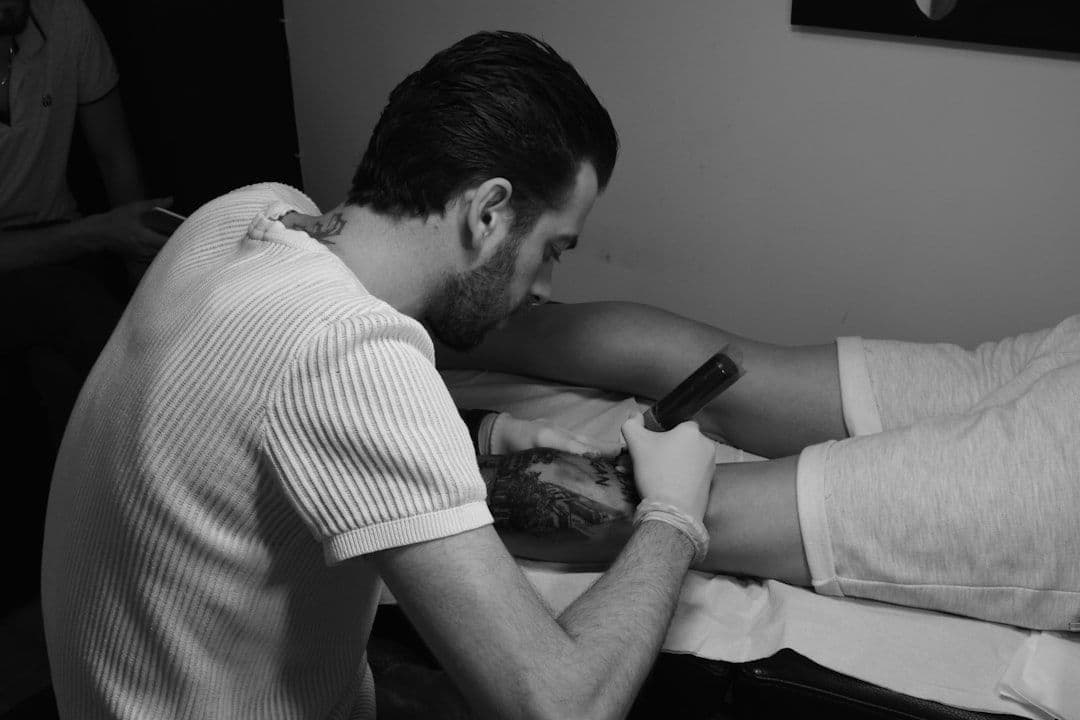
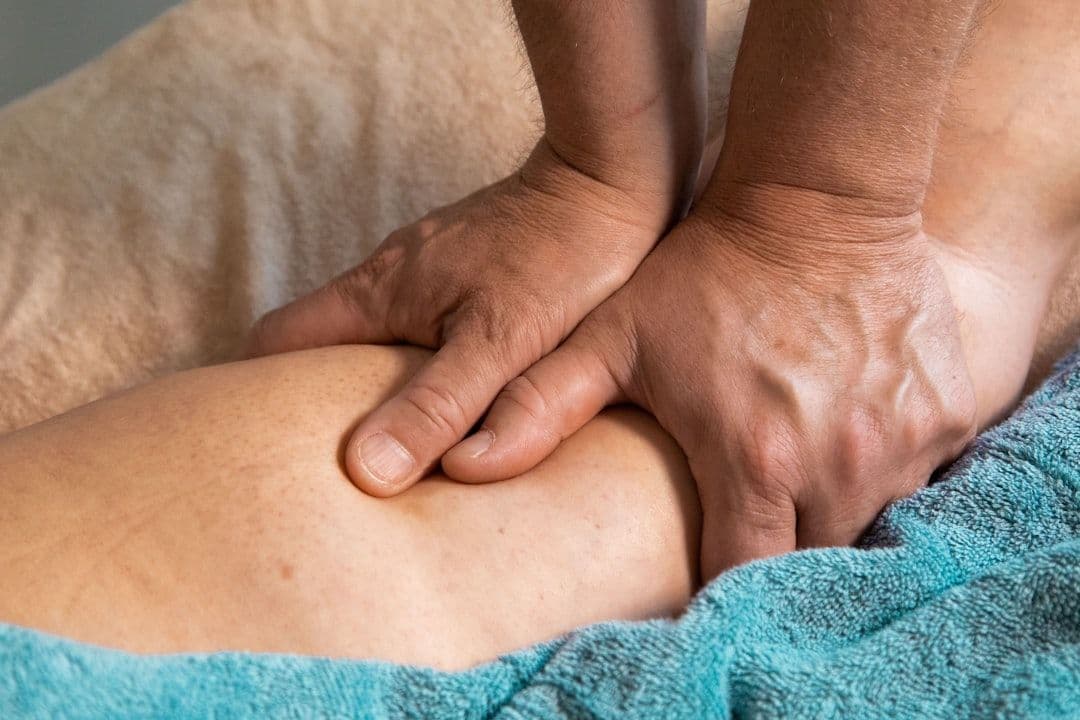
Using fingers, knuckles, and forearms, your Rolfer applies slow, sustained pressure into connective tissue. You may feel a deep stretching or mild burning sensation as fascia softens and lengthens — t
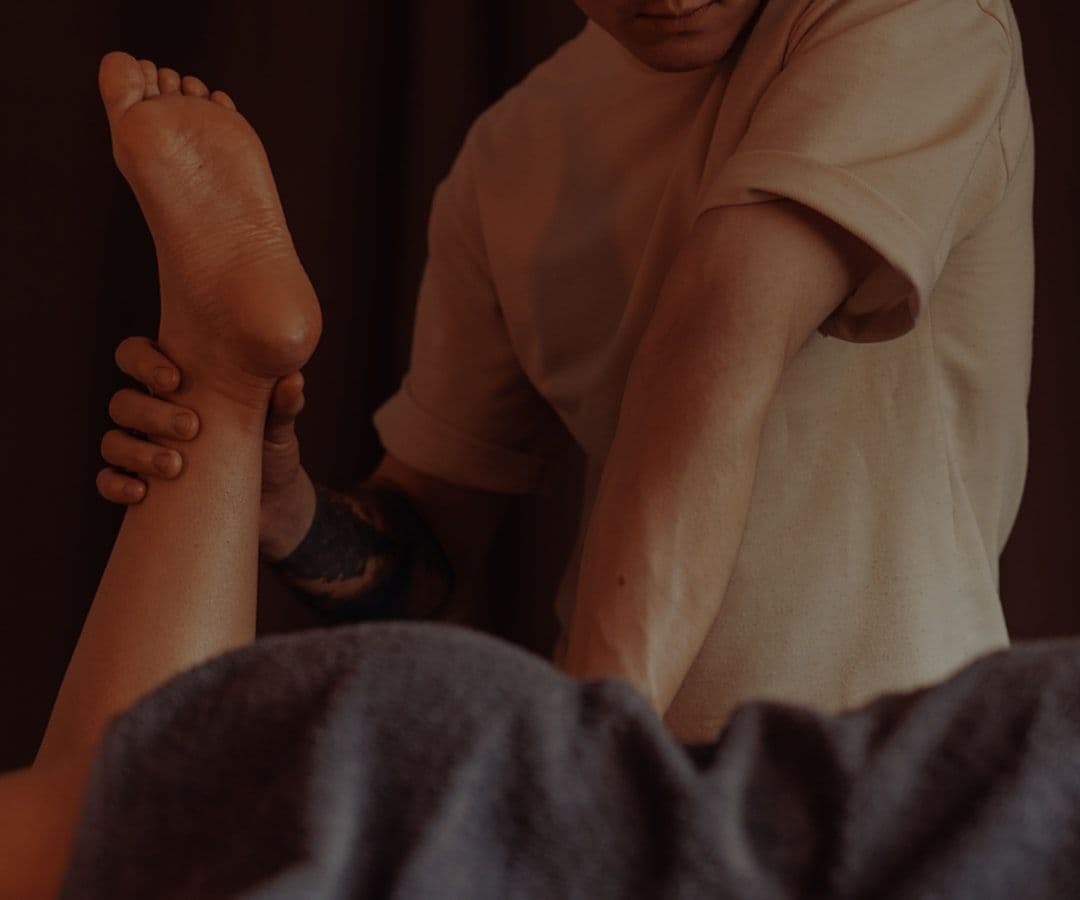
Your Rolfer will often ask you to breathe into an area, slowly bend a knee, or rotate your arm while they hold tissue. These small movements help the fascia release more completely and train your nerv
Throughout the session your Rolfer will pause to check in about pressure and sensation. Communication is welcomed and encouraged — adjustments are made in real time to keep the work effective and comfortable for you.
You'll be asked to stand and walk mid-session or at the end so both you and your Rolfer can notice changes in how your body feels and moves. Many people notice feeling taller, looser, or more grounded immediately.
Your Rolfer will briefly discuss what was worked on and suggest simple movement awareness to practice before your next session. Drink extra water, avoid intense exercise that day, and give your body a
The Evidence
What research says about structural integration, where the evidence is strong, and where gaps remain.
Promising early findings, but high-quality trials remain limited
Rolfing sits in a growing field of fascial bodywork research. Some studies suggest benefits for posture, balance, and movement, but the overall evidence base is still developing and should be interpreted with appropriate caution.
Existing studies suggest potential improvements in postural alignment, proprioception, and movement efficiency. However, most trials are small, lack adequate control groups, and cannot blind participants to treatment. The evidence is best described as emerging rather than established, and findings should not be overstated.
Fascia is increasingly recognised as physiologically significant, with research suggesting it plays a role in posture, movement, and pain perception. This provides a credible framework for Rolfing's methods, though direct high-quality trials specifically on Rolfing remain sparse. Broader fascial research continues to develop.
Rolf drew on anatomy, osteopathy, and yoga to create a 10-series protocol targeting fascial reorganisation. Her work emphasised the body as an integrated whole rather than isolated symptoms. The Rolf Institute, founded in 1971, formalised training and standardised the approach still used today.
As an alternative approach, Rolfing is not part of standard clinical care pathways but is used by many people alongside conventional healthcare. It is best understood as a complementary option for movement, posture, and physical comfort rather than a substitute for professional medical assessment or management.
Those with active inflammation, acute injury, osteoporosis, bleeding disorders, or connective tissue conditions should consult a healthcare provider first. Rolfing should not be applied to areas with open wounds, active infections, or recent surgical sites. Communicate openly with your practitioner about pressure and any discomfort during sessions.
Blinding participants and practitioners in manual therapy research is inherently difficult, and many Rolfing studies involve self-selected participants who may report more positive outcomes. Subjective measures of postural improvement add further complexity. These limitations do not invalidate the approach but do mean inflated outcome claims should be viewed critically.
Safety first
General guidance to help you decide whether this approach is appropriate for you. This is informational only and not a substitute for medical, psychological, or professional advice.
If you are pregnant, managing a health condition, recovering from injury or surgery, or taking medication, consult a qualified healthcare professional first.
Some situations call for extra care or a different approach. Share any conditions, injuries, or sensitivities with your practitioner before your first session.
Mild, short-lived effects such as tenderness, tiredness, or temporary soreness can occur. Rest, hydrate, and tell your practitioner how you respond.
Look for clear boundaries, transparent pricing, and practitioners who avoid fear-based claims or pressure to book frequent sessions.
For you?
A simple, human way to weigh it up. This is general guidance, not personal medical advice — a qualified practitioner can advise on your situation.
Gyfts is a discovery platform, not a medical provider. Nothing here diagnoses, treats or replaces professional care. In an emergency, contact your local emergency number.
Explore approaches
Other practices people often explore alongside rolfing.
In their words
FAQ
Rolfing involves sustained, deep pressure on soft tissue, which many describe as intense but not sharp pain. The sensation often feels like a productive release of tension. Practitioners work within your tolerance and encourage communication—you should never feel your pain is being ignored. Some soreness similar to post-exercise muscle soreness may occur for 24–48 hours after a session. If pain is sharp or shooting, inform your practitioner immediately.
The traditional Rolfing protocol is a 10-session series, with each session building on the previous work. Sessions are typically spaced 1–2 weeks apart. Some people experience significant changes within the series, while others benefit from additional sessions or periodic maintenance (2–4 times per year) to reinforce new patterns. Your practitioner can recommend a timeline based on your response and goals.
Many people notice postural improvements or reduced tension immediately or within a few days of the first session. However, structural integration is a process—deeper changes in movement patterns and long-term postural habits typically develop over the course of the 10-session series and beyond. Results vary; some experience dramatic shifts while others notice gradual, subtle improvements.
While both involve hands-on soft tissue work, Rolfing is distinct. Rolfing follows a specific 10-series protocol focused on fascia and structural alignment throughout the entire body, with emphasis on posture and movement education. Deep tissue massage typically addresses isolated areas of tension and soreness. Rolfing practitioners train for 700+ hours in anatomy, fascia, and structural integration, while massage training varies widely.
Pregnancy is not an absolute contraindication, but safety data is limited. Some Rolfing practitioners have experience working with pregnant clients using modified techniques, while others prefer to wait until after pregnancy. Discuss Rolfing with your healthcare provider and your Rolfing practitioner before beginning, especially during the first trimester.
After a session, many people report feeling taller, lighter, or noticing improved posture. Some experience muscle soreness similar to post-exercise soreness within 24 hours. Heightened body awareness, emotional releases, or vivid dreams can occur as your nervous system integrates structural changes. These reactions are generally considered part of the integration process. If you have concerns, contact your practitioner.
References
Educational sources that inform this overview. Inclusion is for context and does not imply endorsement.
Full citations are maintained by the Gyfts editorial team and reviewed periodically.
Keep exploring
Browse practitioners, explore honest overviews, and take what you learn to a conversation — at your own pace.