Before the Session: What to Expect
Before your first Rolfing session, you may feel a mix of curiosity and mild nervousness—especially if you have heard stories about intensity. It helps to know what you are walking into. During an initial consultation, your practitioner will ask about your medical history, current pain, injuries, lifestyle, and what brought you in. They will observe how you stand, walk, and move, noting areas of restriction or imbalance. You might notice they are looking at your overall posture—not just the spot where it hurts. This whole-body perspective is central to Rolfing philosophy. Wear comfortable, loose-fitting clothing that allows easy movement and can be removed or rolled up as needed; some practitioners ask clients to wear undergarments only during certain sessions. Eat lightly an hour or two before your appointment; a full stomach can make deep work uncomfortable. Arrive a few minutes early to ground yourself. Many people find it helpful to take a moment of quiet before entering the treatment room, perhaps thinking about what they hope to feel or shift.
Arriving and Setting the Scene
As you step into the treatment room, you often find a calm, dimly lit space with soft music, warm lighting, and perhaps the smell of essential oils or clean linens. Your practitioner greets you warmly and may ask how you are feeling that day—stiff, anxious, or relaxed. The room is usually warm; cool rooms can cause muscles to tense, which works against the release you are seeking. You are invited to lie on a padded table, fully clothed initially (though you may remove outer layers), covered with a blanket for comfort and warmth. The practitioner may take a few moments to centre themselves, hands hovering over your body to sense your energy or structure. Some describe this as meditative; others simply see it as the practitioner tuning in. You might feel a sense of anticipation—this is the threshold moment before the deeper work begins. Your breath often deepens naturally as you settle into the table. The practitioner will explain what they plan to work on in this session, perhaps referencing the ten-part Rolfing recipe or addressing specific areas of tension you discussed. This transparency helps you relax; knowing what to expect often reduces anxiety.
During the Session
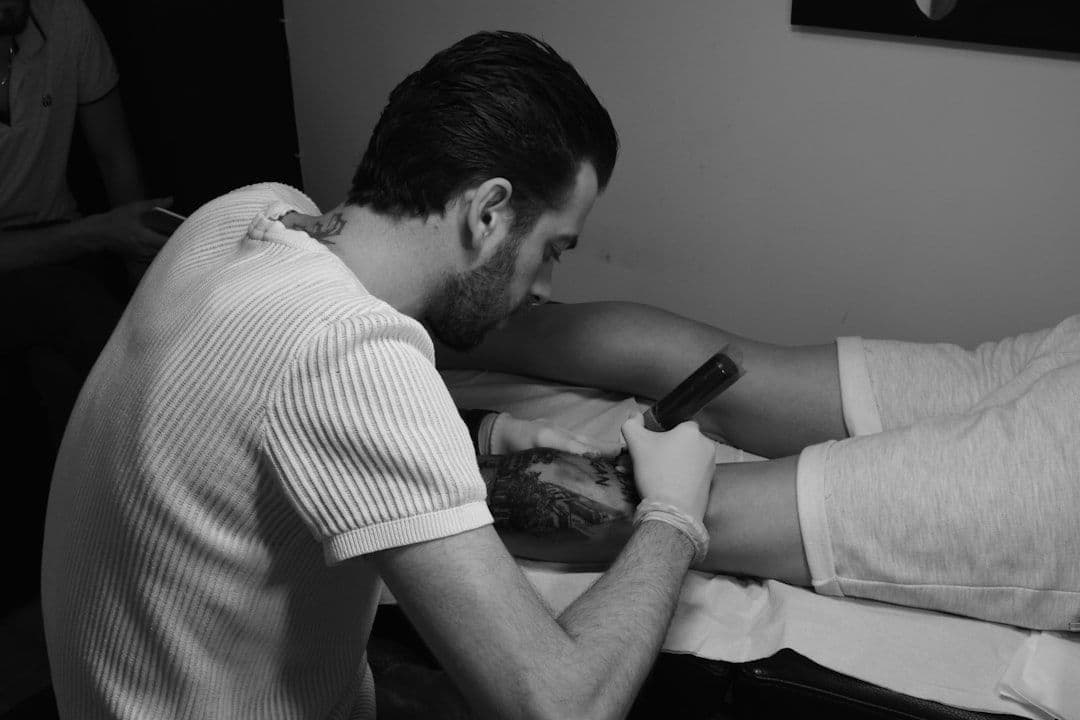
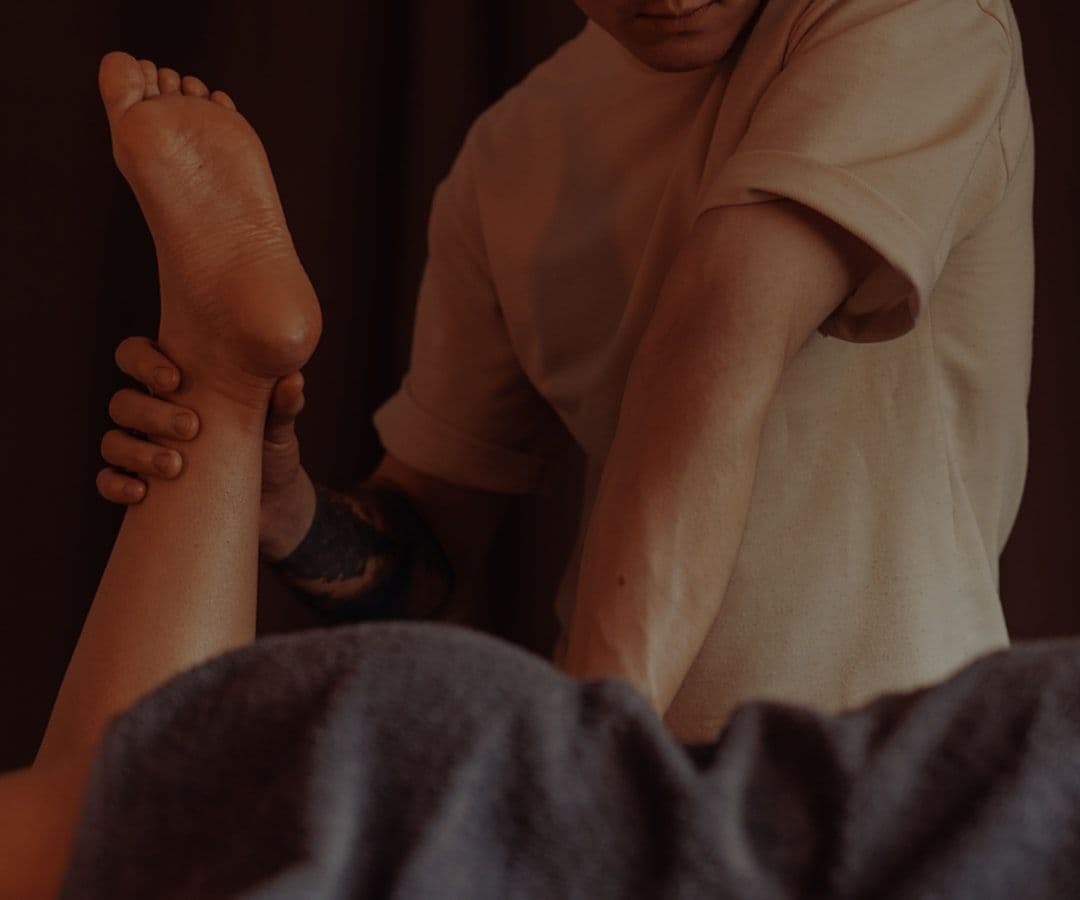
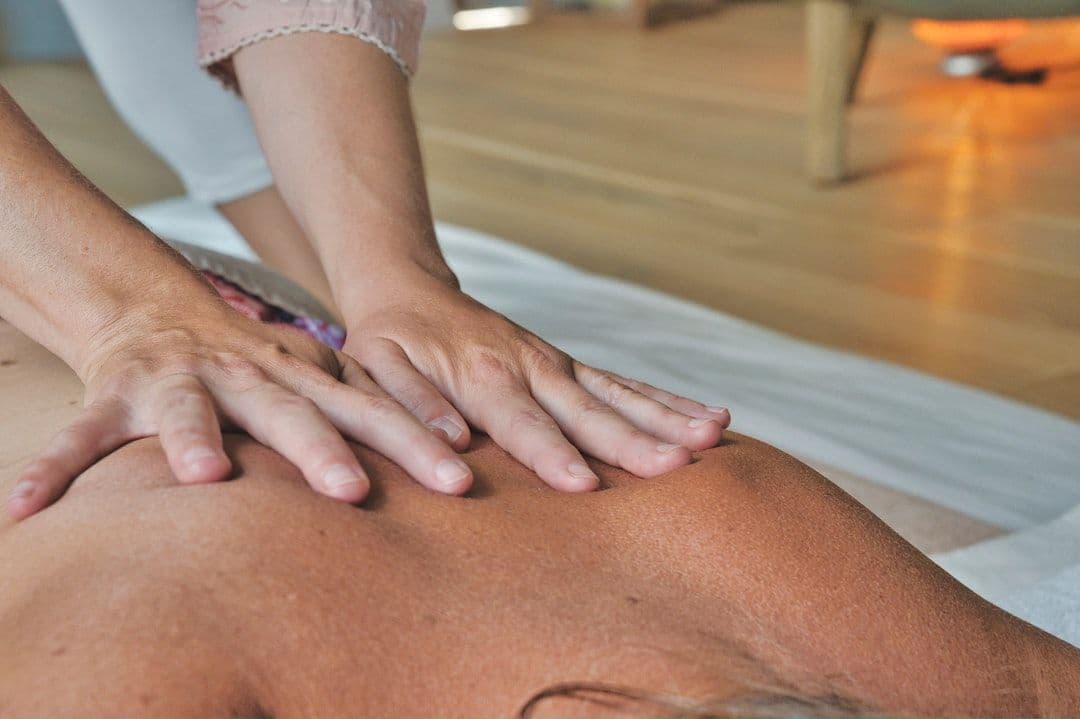
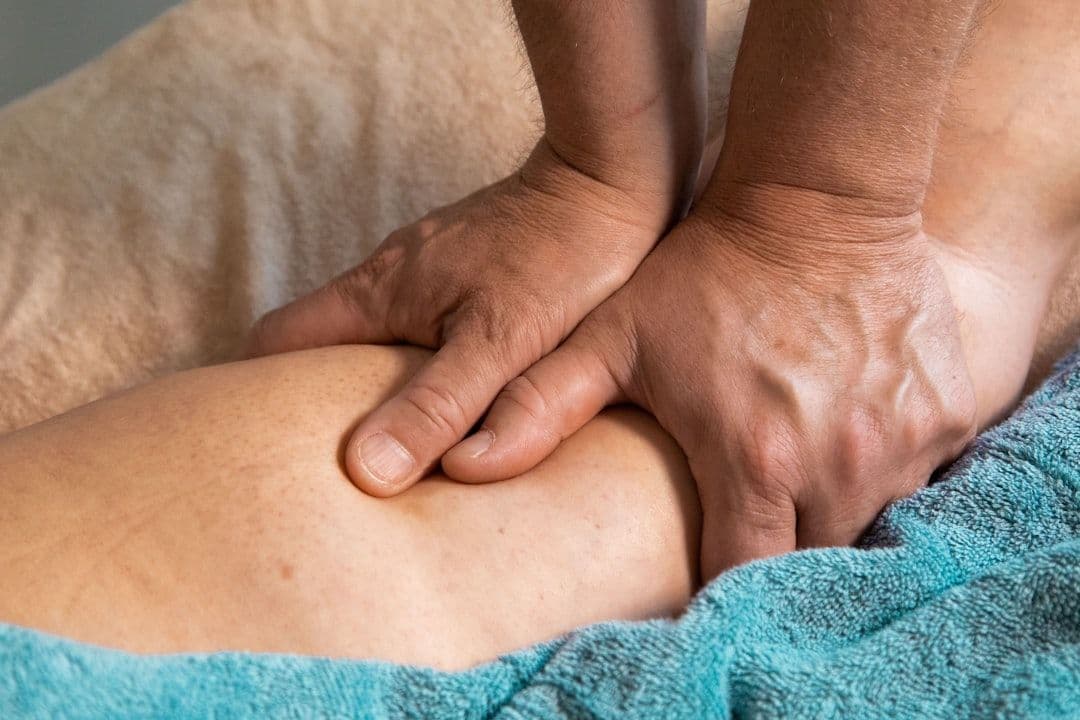
The actual work begins as your practitioner places their hands, fingers, or forearms on your skin and begins to apply steady, sustained pressure into the fascia and connective tissue beneath. Unlike a relaxing massage, Rolfing involves slow, deliberate strokes and holding positions to encourage tissue release and realignment. You may feel the pressure build gradually—sometimes described as a deep ache, a slow burn, or even a sensation of unravelling. The intensity varies; your practitioner may work lighter in sensitive areas and deeper elsewhere, always asking if the pressure is tolerable. Communication is essential. If something feels too sharp or unbearable, speak up immediately. A skilled practitioner adjusts based on your feedback. As they work, you might experience waves of sensation—tingles, heat, or a feeling of tissue 'letting go.' Some people feel emotional releases; tears or laughter are not uncommon as trauma or held tension begins to surface. Your practitioner understands this and may offer tissues or a moment of stillness. You are invited to breathe deeply, which helps soften resistance. Between sections, you may be asked to stand or walk, allowing your nervous system to integrate the changes and giving your practitioner a chance to observe how your body is responding. The work itself typically lasts 50 to 90 minutes, and many people drift into a meditative state, sometimes even light sleep—a sign your nervous system feels safe and is beginning to reset.
How You May Feel Afterwards
As your session ends, you are invited to slowly sit up and take time to ground yourself. Many people report feeling taller, lighter, or more spacious in their bodies immediately after. This sense of openness can feel surprising—you may notice you are standing more upright without effort or that a chronic ache has softened. Some walk around the room or do gentle movements, surprised by newfound ease. Others feel deeply relaxed, as if they have just woken from profound sleep. Your practitioner often reviews what they worked on and may suggest specific movements, stretches, or postural awareness practices to support the changes. In the hours and days following your session, you might experience some mild soreness or heaviness in the worked areas—this is the body integrating the shifts and releasing stored tension. Hydration is important; drinking water supports this process. Light movement like walking or gentle stretching usually feels good; vigorous exercise is typically discouraged for 24 to 48 hours. Some people sleep deeply that night or feel a surge of energy. A few experience slight soreness or emotional processing as their nervous system continues adjusting. These responses are temporary and usually resolve within a few days. Most practitioners recommend spacing sessions one to two weeks apart to allow integration before the next work, creating a rhythm of release, rest, and realignment over the ten-session series. Over the weeks and months following your session, many people notice lasting shifts—improved posture awareness, reduced chronic pain, greater flexibility, and a sense of moving more freely through life.
Is It Right for You?
Rolfing may be worth exploring if you have chronic muscle tension, postural imbalances, or pain related to structure and alignment that has not fully resolved with other approaches. It is especially valuable if you are open to sustained pressure and willing to commit to a series of sessions rather than seeking a single quick fix. People recovering from injury, athletes seeking movement optimization, and those interested in deeper somatic awareness often find Rolfing meaningful. However, it is not for everyone. If you have severe osteoporosis, active infections, recent surgery, or certain skin conditions, Rolfing may not be appropriate until you have healed or received medical clearance. Pregnant individuals should consult their healthcare provider first. If you have serious spinal conditions, disc herniation, or uncontrolled high blood pressure, speak with your doctor before beginning. Rolfing is complementary—it works alongside medical care, not instead of it. If you have persistent pain, numbness, or neurological symptoms, a healthcare provider should evaluate you to rule out conditions requiring medical intervention. Finding the right practitioner matters too. Look for someone certified by the Rolf Institute or a recognized Structural Integration training program, someone whose approach and personality resonate with you, and someone who listens to your concerns and adjusts their work accordingly. A good practitioner is collaborative, transparent, and respects your boundaries. Trust your instincts; if something does not feel right, it is okay to pause or seek a second opinion. Ultimately, Rolfing is an invitation to explore your body's deeper architecture, release old holding patterns, and move through the world with more ease and awareness.