Why Practitioners Choose This Modality
I became a Rolfing practitioner because I witnessed firsthand how structural patterns profoundly shape how we move, feel, and experience our bodies. Early in my practice, I noticed that conventional approaches to pain often treated symptoms in isolation—addressing knee pain without considering hip alignment, or neck tension without examining posture. Rolfing offered me a framework to see the body as an integrated whole. The systematic approach of the ten-session series allows for profound, lasting change. What draws me to this work daily is the opportunity to help clients discover that their body can feel different—lighter, more aligned, more capable. I practice Rolfing because it respects the body's intelligence and works with rather than against its natural inclination toward balance. Over years of practice, I've come to appreciate how releasing fascial restrictions often resolves not just localized pain but also restores ease to movement patterns clients thought were permanently restricted. The modality also honors the mind-body connection; as physical restrictions release, clients frequently report improved mood, energy, and sense of agency in their own healing.
What Clients Typically Experience
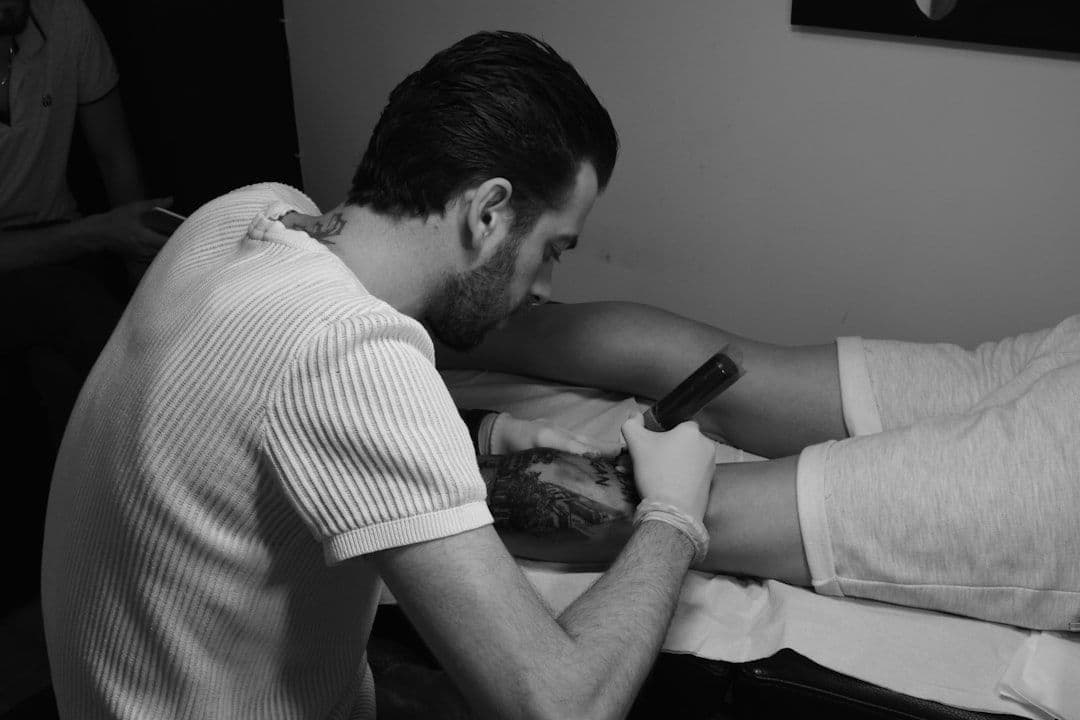
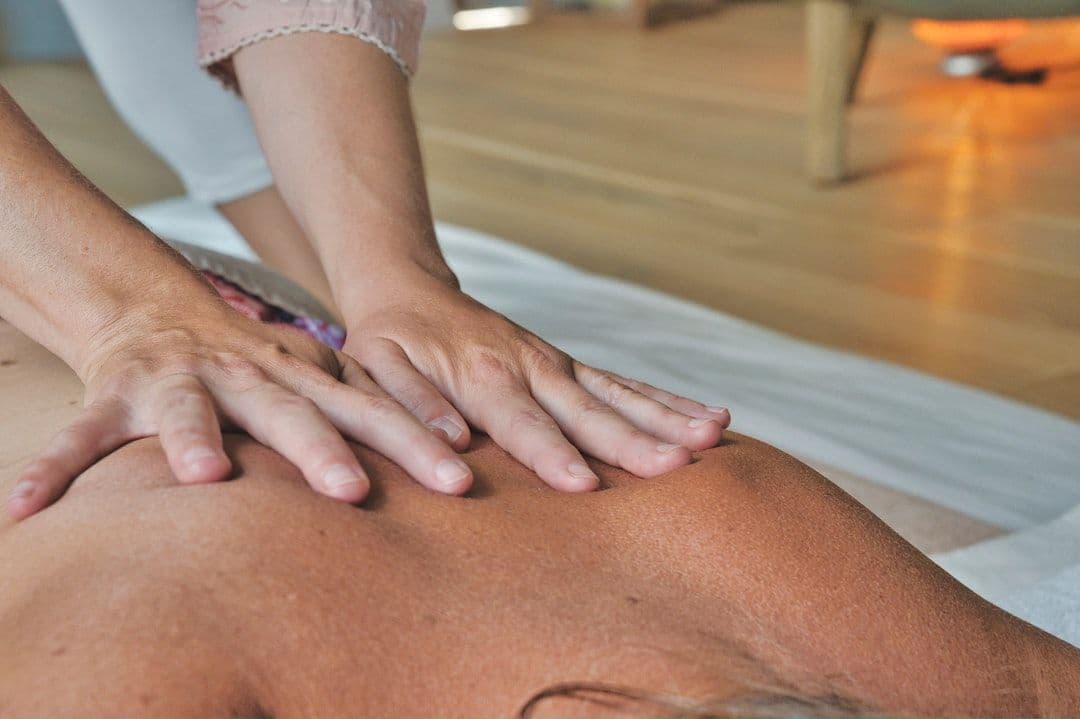
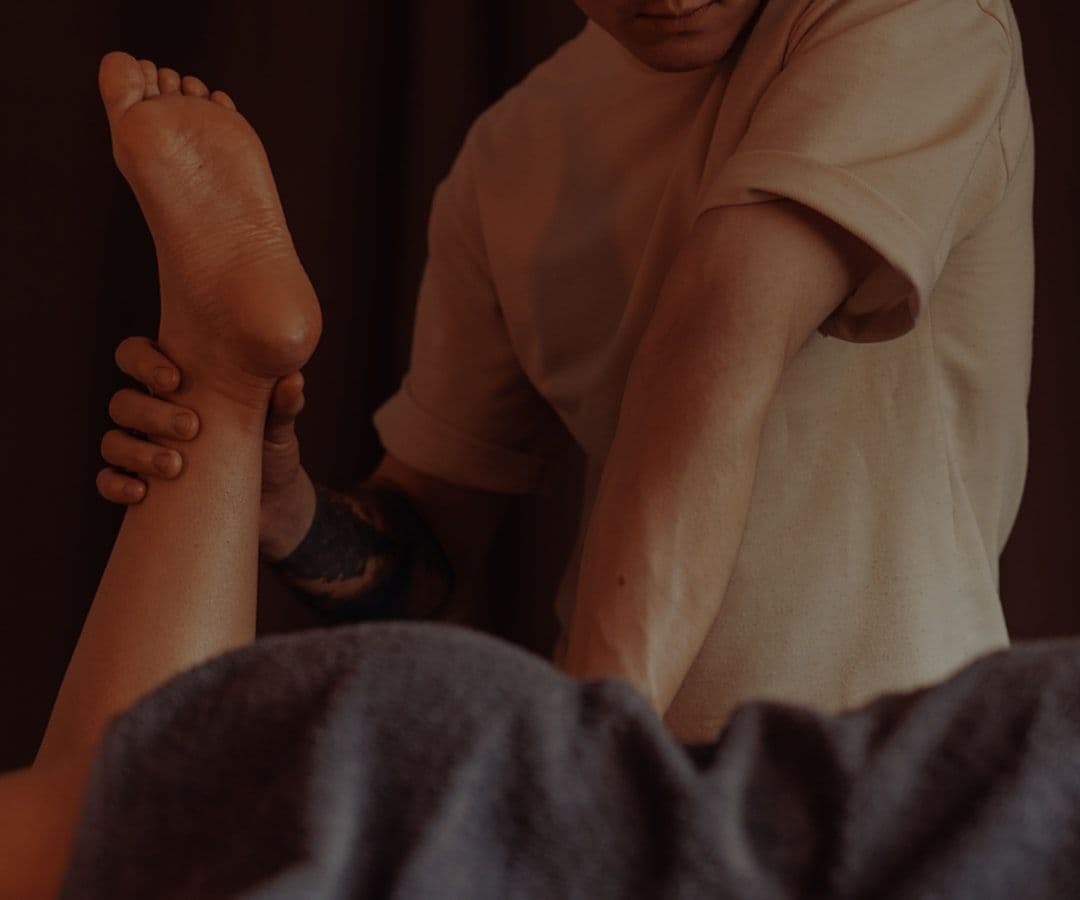
In my sessions, clients come with varied presentations—chronic lower back pain, neck stiffness, limited mobility, or simply a sense that their body doesn't feel right. What I typically observe is that most people are moving in compensatory patterns without realizing it. A client with sciatica, for example, often has restrictions not just in the lower back but throughout the posterior chain, and sometimes even in the hip or foot fascia. As I work through the systematic series, I watch these patterns gradually reorganize. Early sessions are often about releasing surface restrictions and beginning to establish better awareness of alignment. By the middle sessions, clients frequently notice significant shifts—improved posture, better breathing capacity, reduced pain, and greater ease in daily activities. What many clients don't expect is how emotionally significant the work can be; as physical armor releases, people often feel more present in their bodies and more emotionally open. After completing a series, most clients report sustained improvements in pain levels, better mobility, and a new sense of how their body can feel. They move differently not just in my office but in their daily lives—sitting more comfortably, standing more upright, and recovering faster from exertion.
Common Misconceptions
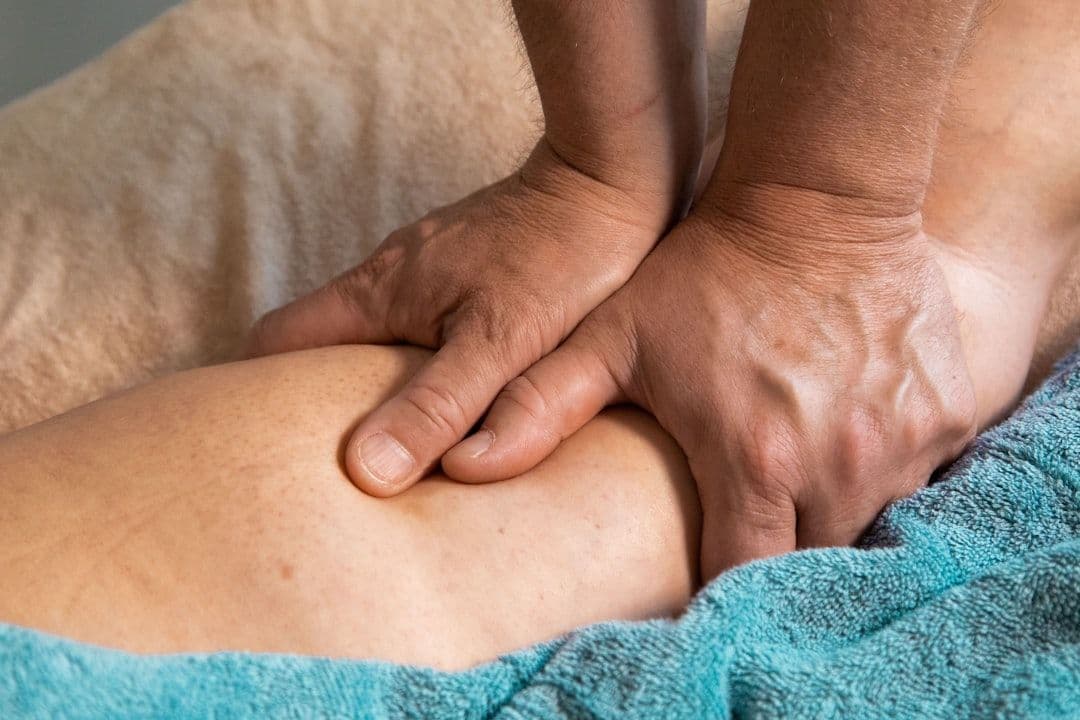
One of the biggest misconceptions I encounter is that Rolfing is simply a deeper or more intense form of massage. While both modalities involve touch, the intention and method are quite different. Rolfing is structural and systematic; I'm not primarily relaxing muscles but rather working with the fascial system to improve postural alignment and support pain-free movement. Another common misunderstanding is that Rolfing causes pain as a trade-off for benefits—the idea that 'no pain, no gain' applies. In reality, while some discomfort may occur as restrictions release, the goal is never to cause harm or unnecessary pain. I work within each client's tolerance and adjust my approach based on their feedback. Some people also assume that Rolfing is a quick fix. In truth, it's a systematic process that unfolds over time, typically requiring a series of sessions. The body has held its patterns for years; real change takes intention and sequential work. Finally, many assume Rolfing is a medical treatment that will 'cure' a condition. I always clarify that Rolfing is a complementary modality used alongside medical care, not instead of it. It may support the body's natural healing capacity and ease pain, but it does not diagnose or treat disease.
Advice for First-Timers
If you're considering Rolfing, my first piece of advice is to come with an open mind and realistic expectations. This is not a one-session fix; the classic series involves ten sessions, and the benefits unfold gradually. Before your first appointment, review your health history honestly with your practitioner. If you have any serious medical conditions, recent surgery, or significant pain, mention it so your practitioner can decide whether Rolfing is appropriate for you or whether you should consult your doctor first. During your first session, communicate clearly about your pain tolerance and any areas of sensitivity. A skilled practitioner will listen and adjust their pressure accordingly; you should never feel that pain is being inflicted upon you. Expect to move during sessions and to receive movement cues; Rolfing isn't just passive bodywork. Pay attention to how your body feels in the days following your session—integration happens over time, and you may notice postural shifts or changes in how you move. Between sessions, practice the movement awareness or self-care suggestions your practitioner offers; this accelerates progress. Finally, be patient with the process. Structural change takes time, but most clients who complete a series report significant and lasting improvements in pain, mobility, and ease.
When to Seek Additional Support
While Rolfing may support many aspects of physical wellbeing, it is not a replacement for medical care. If you experience severe, acute pain, sudden loss of function, neurological symptoms, or pain that follows an injury, consult a healthcare provider first to rule out conditions requiring medical intervention. Similarly, if you have a diagnosed condition such as a herniated disc, significant scoliosis, or fibromyalgia, discuss Rolfing with your doctor to ensure it complements your treatment plan safely. If during a Rolfing series you experience unexpected symptoms or your pain worsens rather than improves over several sessions, pause and seek medical evaluation; this may indicate a condition Rolfing cannot address. For clients with fibromyalgia or chronic fatigue, Rolfing can be beneficial, but it works best as part of a comprehensive approach that includes medical support, appropriate exercise, and stress management. If you are pregnant, have advanced osteoporosis, or are taking medications that affect tissue healing, inform your practitioner and your doctor. Finally, if emotional or psychological issues surface during your Rolfing work—which can happen as people reconnect with their bodies—consider also working with a therapist or counselor. Rolfing is a powerful modality, but it works best when integrated into a holistic approach to health that honors both the body's physical structure and the whole person.