What it is
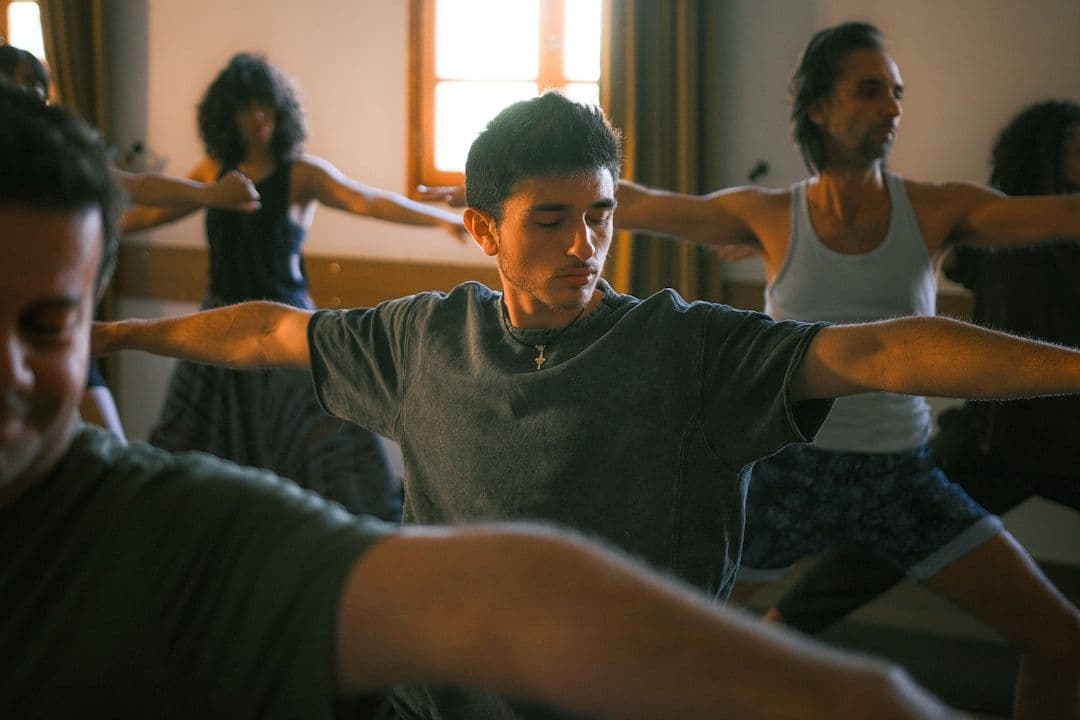
TRE uses seven exercises to trigger natural body tremors that release deep stress and tension.
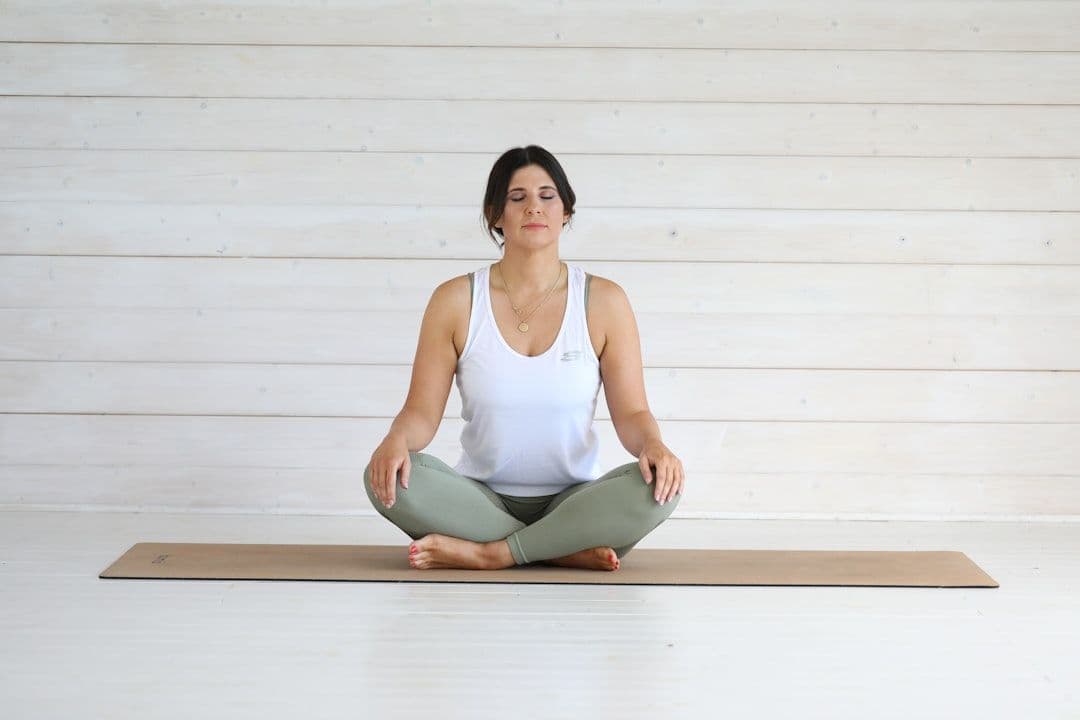
Your body already knows how to release — seven exercises to activate its natural tremor mechanism.
At a glance
What it is
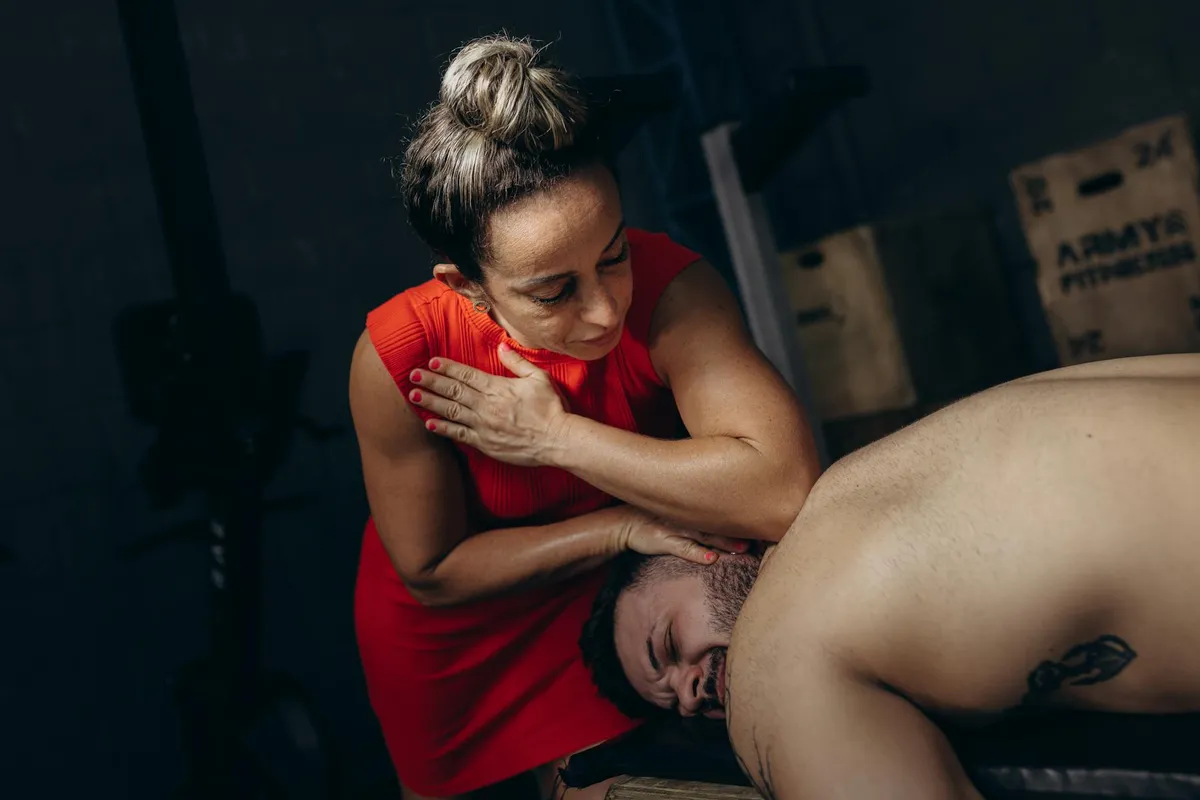
TRE uses seven exercises to trigger natural body tremors that release deep stress and tension.
Why explore it
It may ease anxiety, improve sleep, and support resilience by letting your body shake stress away.
How it’s experienced
Floor exercises gently tire key muscles until soft, involuntary tremors begin — unusual but calming.
Evidence context
Early research looks promising, but larger independent trials are still needed to confirm benefits.
See the evidence snapshotSafety
Generally low-risk with a certified provider, who helps you pace any emotional release safely.
See staying safeHistory & Origin
TRE (Tension and Trauma Releasing Exercises) is a somatic self-care technique consisting of seven exercises designed to fatigue specific muscle groups, triggering involuntary neurogenic tremors that discharge stored tension and stress from the body.
TRE was developed by David Berceli, an international trauma therapist and bioenergetic analyst, while living and working in war-affected communities in the Middle East and Africa during the 1990s and 2000s. Berceli observed that during bombing raids, both adults and children would instinctively curl into a protective foetal position — contracting the psoas and other deep flexors. He also observed that after intense stress, the body would sometimes spontaneously tremor, and that this tremoring appeared to relieve distress. Drawing on his bioenergetic training (where therapeutic shaking was already recognised), Berceli created a structured series of exercises that could reliably elicit these tremors without requiring the emotional processing typical of bioenergetic therapy. This made the technique accessible to large groups in disaster and refugee settings. TRE is now taught in over 60 countries through TRE FOR ALL, a 501(c)(3) nonprofit. The method has been used with military veterans, first responders, refugee populations, and in the Brazilian public health service.
Mechanism
TRE (Tension & Trauma Releasing Exercises) is generally framed as a guided process for attention, reflection, learning, and emotional integration. Depending on the method, a practitioner may use conversation, imagery, structured exercises, body awareness, or therapeutic techniques to help the person explore patterns and choices. It should not be presented as a standalone solution or a substitute for urgent care, but it may support self-understanding when practiced within an appropriate scope. TRE works by systematically fatiguing the body''s deep flexor muscles — particularly the psoas, the primary muscle involved in the fight-or-flight reflex.
Your first visit
A typical session outline to help you feel prepared
A TRE session guides you through seven simple exercises that invite your body to tremor and release stored tension, no talking about your past required.
Your provider greets you and asks a few questions about your stress levels, any injuries, and what brought you to TRE, so they can tailor the session safely to your body.
Your provider explains how the tremoring mechanism works and reassures you that shaking is natural and healthy, not a sign that something is wrong, which helps you feel at ease before you begin.
You'll want to wear comfortable, loose-fitting clothes you can move in. Your provider confirms you have enough space to lie down on a mat and checks in about any physical limitations before starting.
Standing up, you move through seven progressive exercises — including wall sits, lunges, and calf raises — that gently fatigue the leg and hip muscles to prepare the body to tremor naturally.
You lower yourself onto the mat, bend your knees, and let your legs fall open. Within a few minutes most people notice involuntary shaking or vibrating starting in the legs and moving up through the torso.
Your provider coaches you to slow or stop the tremors by straightening your legs if the shaking feels too intense, putting you in full control of the process at every moment.
After 15 to 20 minutes of tremoring, you straighten your legs and rest quietly on the mat, giving your nervous system time to settle and integrate the release before you sit up.
Your provider checks in about what you noticed and shows you how to practice the sequence safely on your own two to three times a week going forward.
The Evidence
TRE has a small but growing evidence base. Studies are promising, though most are pilot-scale. Here is what is currently known.
Early findings are encouraging; large independent trials are still needed
Pilot studies and practitioner-led evaluations suggest TRE may reduce stress, anxiety, and trauma symptom severity. No Cochrane review or large independent RCT has been published yet, so findings should be interpreted with appropriate caution.
Published research includes a small RCT showing reduced anxiety in college students, a nine-week pilot with multiple sclerosis patients reporting improvements in fatigue and sleep, and a refugee study finding reductions in trauma symptom severity. Effect sizes are generally moderate. No systematic review of TRE alone has been completed, and most studies involve small samples.
A mother-child intervention RCT was formally registered in 2024, representing a step toward more rigorous independent evaluation. TRE FOR ALL, the global nonprofit, maintains a research page tracking ongoing and published work. The field is moving from practitioner-led case reports toward more structured trial designs, though results from larger studies are not yet available.
Within the MACH framework, TRE sits in the Complementary category — a structured somatic practice that can be used alongside conventional care. It is not a substitute for professional assessment or psychotherapy, particularly in complex trauma. Its scalability and self-directed nature make it a practical adjunct for stress and tension management in everyday settings.
Learning TRE with a certified provider first is strongly recommended to ensure safe practice and appropriate regulation of the tremoring response. Emotional release can occur and should be managed with guidance. TRE is not recommended as a standalone approach for complex or acute trauma without professional support. The exercises target deep muscle groups and may produce unfamiliar physical sensations.
Most published TRE studies involve small samples, short durations, and limited independent replication. Several studies have been conducted or co-authored by TRE practitioners, which introduces potential bias. Larger, independently funded trials are needed before strong evidence-based recommendations can be made. Individuals should weigh current findings accordingly and consult qualified practitioners for personal guidance.
TRE FOR ALL certifies providers across more than 60 countries. A certified provider can guide first-time practitioners through the seven exercises, teach self-regulation techniques, and help individuals recognise when to pause or slow the process. Once the method is learned, most people can practise independently. Those with a history of complex trauma are advised to maintain access to professional support alongside self-practice.
Safety first
General guidance to help you decide whether this approach is appropriate for you. This is informational only and not a substitute for medical, psychological, or professional advice.
Some situations call for extra care or a different approach. Share any conditions, injuries, or sensitivities with your practitioner before your first session.
If you are pregnant, managing a health condition, recovering from injury or surgery, or taking medication, consult a qualified healthcare professional first.
Look for clear boundaries, transparent pricing, and practitioners who avoid fear-based claims or pressure to book frequent sessions.
Mild, short-lived effects such as tenderness, tiredness, or temporary soreness can occur. Rest, hydrate, and tell your practitioner how you respond.
For you?
A simple, human way to weigh it up. This is general guidance, not personal medical advice — a qualified practitioner can advise on your situation.
Gyfts is a discovery platform, not a medical provider. Nothing here diagnoses, treats or replaces professional care. In an emergency, contact your local emergency number.
Explore approaches
Other practices people often explore alongside tre (tension & trauma releasing exercises).
In their words
FAQ
Neurogenic tremors are involuntary muscular vibrations that the body produces naturally as a mechanism for releasing tension and restoring balance to the nervous system. They are similar to the shaking that can occur after a frightening experience or intense physical exertion.
Yes — once you have learned the exercises from a certified TRE provider (usually in 1–3 sessions), you can practise independently at home. Self-practice 2–3 times per week for 15–20 minutes is typically recommended.
No. TRE works entirely through the body without requiring verbal processing of traumatic experiences. This makes it accessible for people who find talk therapy challenging or who may not have clear memories of their trauma.
TRE is generally considered low-risk when initially learned from a certified provider. The exercises are gentle, and participants learn to regulate the intensity of their tremoring. Some emotional release may occur, which is considered normal.
Many people report feeling calmer, lighter, or more relaxed after their first session. Cumulative benefits typically build over weeks of regular practice. Research timelines range from 2 weeks to 9 weeks for measurable improvements.
David Berceli, an international trauma therapist and bioenergetic analyst, developed TRE while working in conflict zones in the Middle East and Africa. It is now taught in over 60 countries.
Pilot research has shown promising results for MS-related symptoms (fatigue, spasticity, sleep), chronic pain, and muscular tension. TRE is not a medical treatment but may complement conventional care for stress-related physical conditions.
References
Educational sources that inform this overview. Inclusion is for context and does not imply endorsement.
Full citations are maintained by the Gyfts editorial team and reviewed periodically.
Keep exploring
Browse practitioners, explore honest overviews, and take what you learn to a conversation — at your own pace.