Preparing for Your Session
Wear loose, comfortable clothing that won't restrict your breathing or create rustling sounds when you move. Natural fibres like cotton or linen work particularly well. Remove any jewellery that might jangle or feel uncomfortable when lying down for extended periods.
Avoid caffeine for at least two hours beforehand, as it can make you fidgety and less receptive to the subtle effects of the chimes. Similarly, eat only light foods - a heavy meal might make you drowsy or uncomfortable. Switch your phone to silent mode and let your practitioner know about any hearing sensitivities or recent ear infections.
Many practitioners suggest setting a personal intention before arriving, though this isn't required. Some people find it helpful to reflect briefly on what they hope to gain from the experience - whether that's relaxation, clarity, or simply curiosity about sound healing.
The Session Experience
You'll typically lie on a yoga mat or comfortable surface, often with bolsters and blankets available for support. Sessions usually last 45-60 minutes, though introductory experiences might be shorter. The practitioner begins with a brief explanation of what you'll experience and how to position yourself for optimal comfort.
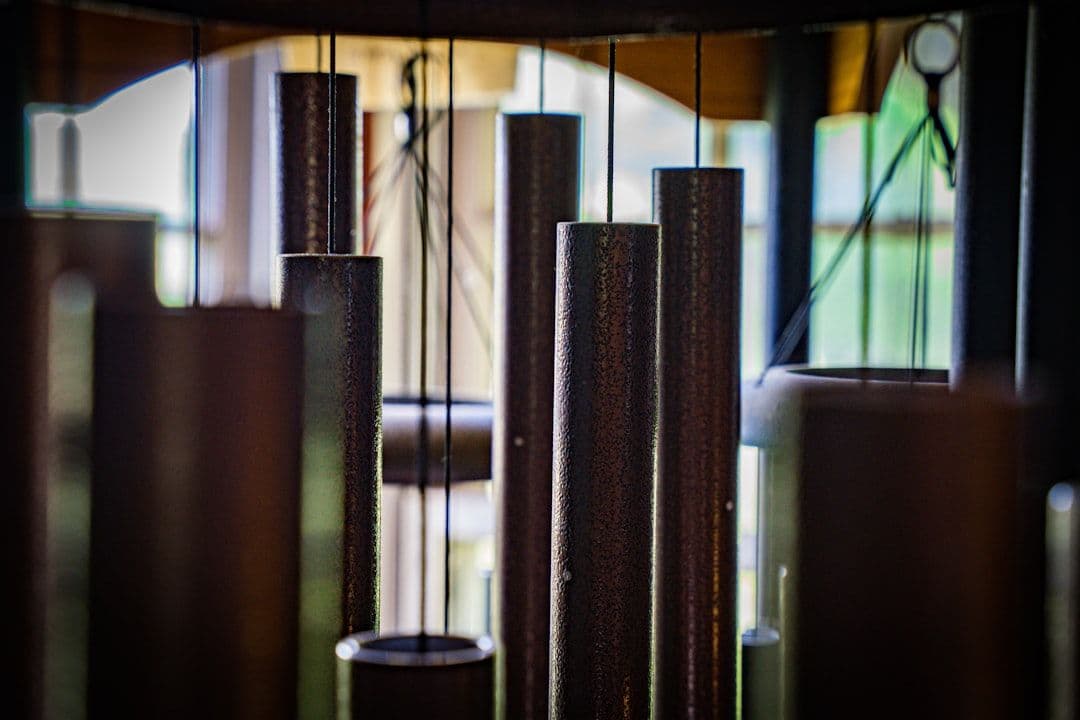
The session opens with a few minutes of silence, allowing you to settle into the space. The practitioner then introduces the first chimes - you'll hear gentle, silvery tones that seem to hang in the air. Koshi chimes produce sustained harmonics, creating layers of sound that build and fade naturally. The practitioner moves around the room, varying the proximity and direction of the chimes to create a three-dimensional soundscape.
Mid-session often involves the most complex interweaving of tones. You might hear multiple chimes simultaneously, each tuned to different elemental frequencies - earth, water, air, and fire. The sounds wash over and around you in waves, sometimes feeling distant, sometimes intimate and close. The practitioner reads the room's energy, adjusting rhythm and intensity intuitively.
The session concludes with gradually diminishing sounds, returning you slowly to silence. This emergence phase typically lasts 5-10 minutes, giving you time to notice the contrast between the rich sonic environment and the ordinary quiet that follows.
What You Might Experience
Physical sensations vary enormously between individuals. Many people report feeling warmth or tingling, particularly in their chest or limbs. Some experience a sensation of floating or sinking deeper into the floor. Your breathing may naturally slow and deepen without conscious effort. Muscle tension often releases progressively throughout the session.
Emotionally, responses range from profound peace to unexpected tears. Some people process memories or emotions that surface spontaneously. Others enter dream-like states or experience vivid imagery. Feeling nothing particularly dramatic is equally valid - the benefits may be subtler than you initially recognise.
After sessions, most people feel deeply relaxed, sometimes slightly disoriented as they readjust to ordinary awareness. This 'sound hangover' is temporary and generally pleasant. Energy levels might be either deeply calm or surprisingly refreshed. Sleep quality often improves for several nights following a session, and some people report enhanced creativity or emotional clarity in the days that follow.
Aftercare and Integration
Plan for a gentle transition back to your daily routine. Drink plenty of water and avoid rushing into demanding activities immediately afterwards. Many practitioners recommend allowing 2-3 hours of quiet time following longer sessions, as your nervous system continues processing the experience.
Journalling can help capture insights or emotional shifts that emerged during the session. Some people find that dreams become more vivid or meaningful in the week following sound work. This is considered part of the integration process within sound healing traditions.
Avoid alcohol for the remainder of the day, as your system may be more sensitive than usual. Gentle movement like walking or stretching supports the integration process better than vigorous exercise. If emotional content surfaced during the session, consider speaking with a counsellor or trusted friend rather than dismissing these insights.
How Many Sessions Are Typical
Most practitioners suggest trying 3-6 sessions before evaluating whether Koshi chimes resonate with your particular constitution. Individual sessions provide relaxation benefits, but cumulative effects often become more apparent with repeated exposure to the specific harmonic frequencies.
Sessions might be weekly initially, then spaced further apart as you develop familiarity with the practice. Some people incorporate monthly sessions as part of ongoing wellness routines, while others use them intensively during particularly stressful periods. There's no prescribed course of treatment - the approach remains highly individualised.
Practitioners often encourage you to notice subtle shifts rather than expecting dramatic changes. Benefits tend to accumulate gradually, affecting sleep patterns, stress responses, and general emotional regulation rather than creating immediate, obvious transformations. Trust your own sense of whether the practice feels beneficial - sound healing works differently for different people.