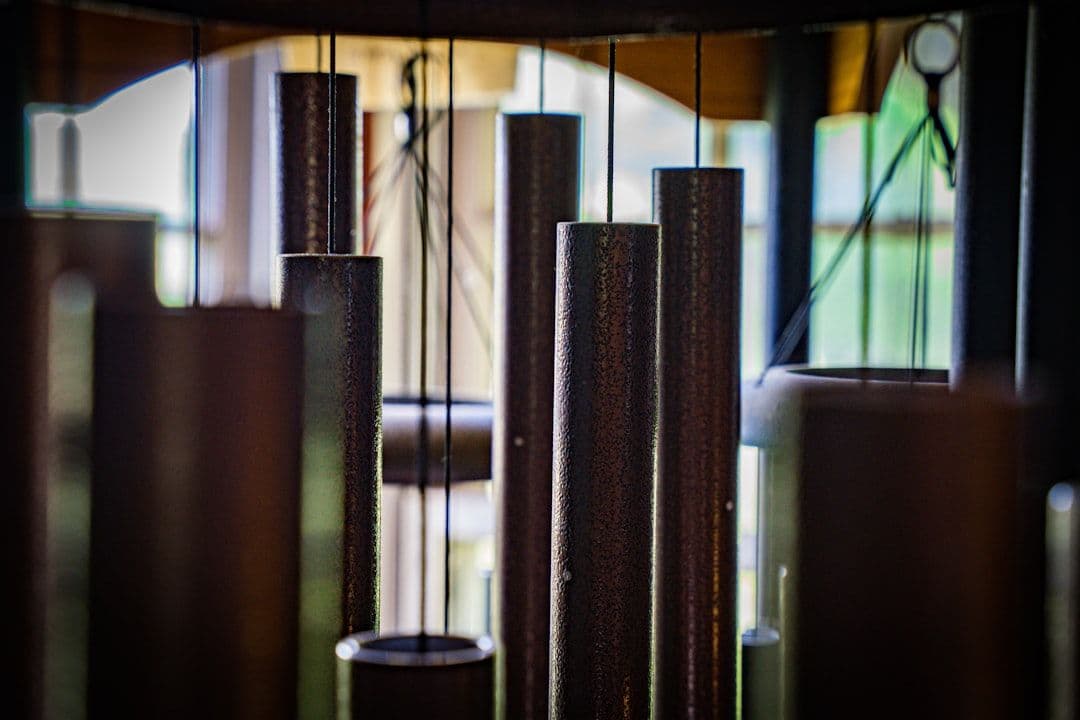
What it is
Koshi chimes are small instruments that create soft, layered tones used in relaxation and meditation.
Koshi Chimes are portable musical instruments that produce sustained, harmonious tones through wind or hand activation, commonly used in ...

At a glance
What it is
Koshi chimes are small instruments that create soft, layered tones used in relaxation and meditation.
Why explore it
Their gentle tones may ease stress, support sleep, and deepen mindfulness in yoga or home wellness.
How it’s experienced
A chime is softly struck or rotated near you, letting sustained tones wash over you during stillness.
Evidence context
No Koshi-specific research exists, so results vary and it works best alongside conventional care.
See the evidence snapshotSafety
Generally low risk, though those with sound-triggered conditions should check with a provider first.
See staying safeHistory & Origin
Koshi Chimes are musical instruments used for healing, meditation, and relaxation.
Koshi chimes emerged in the 1990s, created by a French musician and sound therapist who set out to build an instrument capable of rich, sustained harmonies that anyone could play without musical training. The design drew on traditional wind chime construction and tuning-fork acoustics, blending long-standing sound therapy ideas with modern instrument-making. The name itself comes from Sanskrit, echoing the contemplative intent behind the chime's creation.
Each Koshi houses eight tuned metal rods, precisely spaced inside a resonance chamber typically made from treated bamboo veneer. A small glass striker moves across the rods when the instrument is swayed or rotated, and because the notes are arranged in a circular tuning pattern — higher tones folding back into lower ones — the chime produces layered, self-sustaining tones with virtually no dissonant combinations.
Koshi chimes are traditionally built and played in four elemental tunings — Terra (Earth), Aqua (Water), Aria (Air), and Ignis (Fire) — each using a different musical scale and associated with a different quality: grounding, reflective, uplifting, or gently energizing. Practitioners often choose a tuning to match what they're aiming for in a session.
Since their introduction, Koshi chimes have spread into yoga studios, meditation spaces, massage and bodywork settings, and home wellness routines across Europe, North America, and beyond, becoming a familiar tool within the broader sound healing and mindfulness space.
Mechanism
Koshi chimes is generally framed as a guided process for attention, reflection, learning, and emotional integration. Depending on the method, a practitioner may use conversation, imagery, structured exercises, body awareness, or therapeutic techniques to help the person explore patterns and choices. It should not be presented as a standalone solution or a substitute for urgent care, but it may support self-understanding when practiced within an appropriate scope. Koshi Chimes produce sound through tuned metal tubes that resonate when gently tilted or struck, creating layered, self-sustaining harmonic tones that require no musical skill to play.
Your first visit
A typical session outline to help you feel prepared
A Koshi chimes session guides you into deep relaxation through gentle, resonant tones played softly around your body.
Your practitioner greets you and asks about your wellness goals, stress levels, and any sensitivity to sound or certain frequencies before anything begins.
Together you briefly discuss what you're hoping to experience, whether that's mental quiet, stress relief, or simply curiosity about sound-based relaxation.
You'll lie fully clothed on a massage table or a comfortable mat. Loose, comfortable clothing is ideal, and a light blanket is often offered.
The practitioner gently tilts and rotates a single Koshi chime near your head or feet so you can settle into the soft, bell-like tones before the full session begins.
The practitioner slowly moves through all four Koshi chime elements — Earth, Water, Fire, and Air — sounding each one at different points around your body and at varying distances.
As the tones sustain and fade, you're invited to follow the sound with your attention rather than analyze it, allowing your breath to slow and your mind to soften.
The practitioner gradually reduces the frequency of chiming and lets the final tones fully fade to silence, giving your nervous system a moment to settle before you move.
You're gently invited to return your awareness to the room, sit up slowly, and share any reflections. Drinking water afterward is encouraged to support how you feel.
The Evidence
What research and traditional use tell us about Koshi Chimes, and where the evidence currently stands.
Rooted in sound therapy tradition; formal research is limited
Koshi Chimes have no dedicated clinical trials, but sit within the broader sound therapy field, which shows early-stage evidence for relaxation and stress reduction. Their use is experience-based and wellness-oriented rather than clinically validated.
Studies on sound baths and related instruments show measurable changes in heart rate variability, cortisol, and self-reported anxiety in some participants. However, sample sizes are small, blinding is difficult, and methodologies vary widely. Koshi Chimes' wellness popularity currently outpaces formal scientific validation.
Designed by a French musician and sound therapist, the instrument blends traditional sound healing concepts with modern acoustic engineering. The name references Sanskrit, reflecting meditative intentions. They have since become established tools in yoga studios, wellness centres, and sound bath settings internationally.
As an alternative modality, Koshi Chimes are typically used for relaxation, meditation support, and general wellbeing rather than for managing specific health conditions. They are not a substitute for professional assessment or evidence-based treatment, and should be understood as a complementary experience-based practice.
Key limitations include small participant numbers, inability to blind participants to the intervention, heterogeneous study designs, and a lack of long-term follow-up data. Proposed mechanisms such as brainwave entrainment and vagal stimulation are plausible but not yet firmly established. Interpret positive findings with appropriate caution.
Keep volume at a comfortable level to protect hearing. Those with sound-triggered seizure disorders, severe anxiety, PTSD, or psychosis should consult a healthcare provider before use. Koshi Chimes are not appropriate as a sole response to acute medical or mental health situations, and do not replace professional care.
When used in a professional context, a practitioner can tailor the session to your comfort and intentions. If you have health concerns, inform your facilitator before the session begins. For ongoing mental or physical health conditions, Koshi Chime sessions work best as a supportive addition to, not a replacement for, qualified professional care.
Safety first
General guidance to help you decide whether this approach is appropriate for you. This is informational only and not a substitute for medical, psychological, or professional advice.
If you are pregnant, managing a health condition, recovering from injury or surgery, or taking medication, consult a qualified healthcare professional first.
Some situations call for extra care or a different approach. Share any conditions, injuries, or sensitivities with your practitioner before your first session.
Look for clear boundaries, transparent pricing, and practitioners who avoid fear-based claims or pressure to book frequent sessions.
Mild, short-lived effects such as tenderness, tiredness, or temporary soreness can occur. Rest, hydrate, and tell your practitioner how you respond.
For you?
A simple, human way to weigh it up. This is general guidance, not personal medical advice — a qualified practitioner can advise on your situation.
Gyfts is a discovery platform, not a medical provider. Nothing here diagnoses, treats or replaces professional care. In an emergency, contact your local emergency number.
Explore approaches
Other practices people often explore alongside koshi chimes.
In their words
FAQ
A Koshi Chime is a hand-held musical instrument, typically cylindrical in shape, designed to produce sustained, harmonious tones. When struck gently or tilted to allow a ball bearing inside to strike tuned metal bars, it produces a complex, meditative sound that can last several seconds. Each Koshi Chime is tuned to a specific pentatonic scale, meaning multiple chimes can be played together in harmonic combinations without creating dissonance.
Many people report feeling relaxed and calm after a single session. However, cumulative benefits for stress reduction, improved sleep, or enhanced meditation practice often emerge with regular sessions over several weeks. A common starting recommendation is 4-6 weekly sessions, followed by maintenance sessions based on your needs and response. Individual experiences vary significantly.
Koshi Chimes specifically have limited peer-reviewed research. However, broader sound therapy and music therapy research shows promise for stress reduction and relaxation. Most evidence for Koshi Chimes comes from practitioner experience and user testimonials rather than rigorous clinical trials. They are best understood as a complementary wellness tool rather than an evidence-based medical treatment.
Yes, many people purchase Koshi Chimes for personal use at home. They are safe, portable instruments that can support your meditation or relaxation practice independently. However, some people prefer guided sessions with a practitioner initially to learn techniques and deepen their experience. Both approaches are valid and can be combined.
Some people find Koshi Chimes helpful for relaxation and creating a calm environment conducive to sleep or anxiety relief. However, they should not replace medical treatment for diagnosed anxiety disorders or insomnia. Consider them as a complementary tool within a broader wellness approach, and consult your healthcare provider about persistent sleep or anxiety issues.
Your practitioner will discuss your goals and preferences, then guide you into a comfortable resting position. You'll listen as they gently activate one or more Koshi Chimes, producing peaceful, sustained tones for 20-45 minutes. The experience is passive—you simply relax and allow the sounds to work. Most people find it deeply calming, though individual experiences vary from peaceful awareness to light sleep.
References
Educational sources that inform this overview. Inclusion is for context and does not imply endorsement.
Full citations are maintained by the Gyfts editorial team and reviewed periodically.
Keep exploring
Browse practitioners, explore honest overviews, and take what you learn to a conversation — at your own pace.