Restorative yoga is a gentle style that uses props such as bolsters and blankets to support the body in a few long, quiet poses. Small trials suggest it may support lower self-reported stress and is easy for many people to stick with, but studies are small and the evidence is still emerging.
What is restorative yoga?
Restorative yoga focuses on rest rather than effort. You usually hold four to six poses for roughly five to twenty minutes each, while props take the weight so muscles can let go. Classes are quiet, lights are often low, and teachers may suggest slow breathing or a short meditation at the end.
It is a branch of yoga and is often confused with yin yoga. Yin holds mostly unpropped floor poses to gently load connective tissue and can feel intense. Restorative aims for comfort and stillness. You can learn more on the restorative yoga page.
What props and poses are common?
Here are five you will often meet in a class:
- •Supported child's pose. A bolster lies lengthwise under the chest while you fold forward, head turned to one side.
- •Legs up the wall. Hips rest near a wall on a folded blanket and the legs rest vertically.
- •Supported bridge. A block or bolster sits under the sacrum while you lie on your back.
- •Reclining bound angle. Bolster along the spine, soles of the feet together, blocks or blankets under the knees.
- •Supported side-lying rest. You lie on your side with a bolster between the knees and a blanket under the head.
Other handy props include an eye pillow, a strap and a warm blanket. A rolled towel and a firm pillow can stand in for a bolster at home.
For a first home session, set up your props before you start, silence your phone, and keep the room warm, since body temperature drops when you are still. Ten to twenty minutes in one or two poses is plenty. Stay long enough to feel your breathing slow, then come out gradually and roll to one side before sitting up.
What are the possible benefits?
People often report feeling calmer, sleepier in a helpful way, and less tense after class. Because the practice asks for so little exertion, many find it approachable if they are tired, out of shape or new to yoga. Think of it as a structured way to rest, not a workout and not a treatment for any condition.
What does the evidence say?
Research on restorative yoga specifically is small.
In a randomized crossover trial, 20 female night-shift nurses in Japan took a guided session followed by four weeks of home practice. Their job stress scores were lower after the home practice period than after usual stress relief methods. The study was small and relied on questionnaires (Miyoshi, 2019).
A pilot trial of 35 sedentary breast and ovarian cancer survivors compared restorative with vigorous yoga. Fluid cognitive scores improved in the restorative group, and the authors said findings need confirming in larger studies (Deng et al., 2022). A related feasibility study found that adherence and attendance were higher in the restorative group (Lapen et al., 2018).
Together, these results suggest restorative yoga may be acceptable and may support stress and well-being, but samples are small, comparisons vary, and no large trials confirm specific health effects.
Safety and who should check first
Gentle does not mean risk free. If you are pregnant, avoid lying flat on your back for long periods and skip deep twists unless a teacher with prenatal training guides you. If you have a recent injury, joint problems, osteoporosis, glaucoma or blood pressure concerns, ask a clinician which poses are suitable. Inverted poses like legs up the wall may not suit everyone.
Stay within a comfortable range. Pain, numbness, tingling or dizziness are signals to come out of the pose and add more support. Stillness can sometimes bring up strong emotions, so tell your teacher if you feel unsettled.
How do you find a restorative yoga teacher?
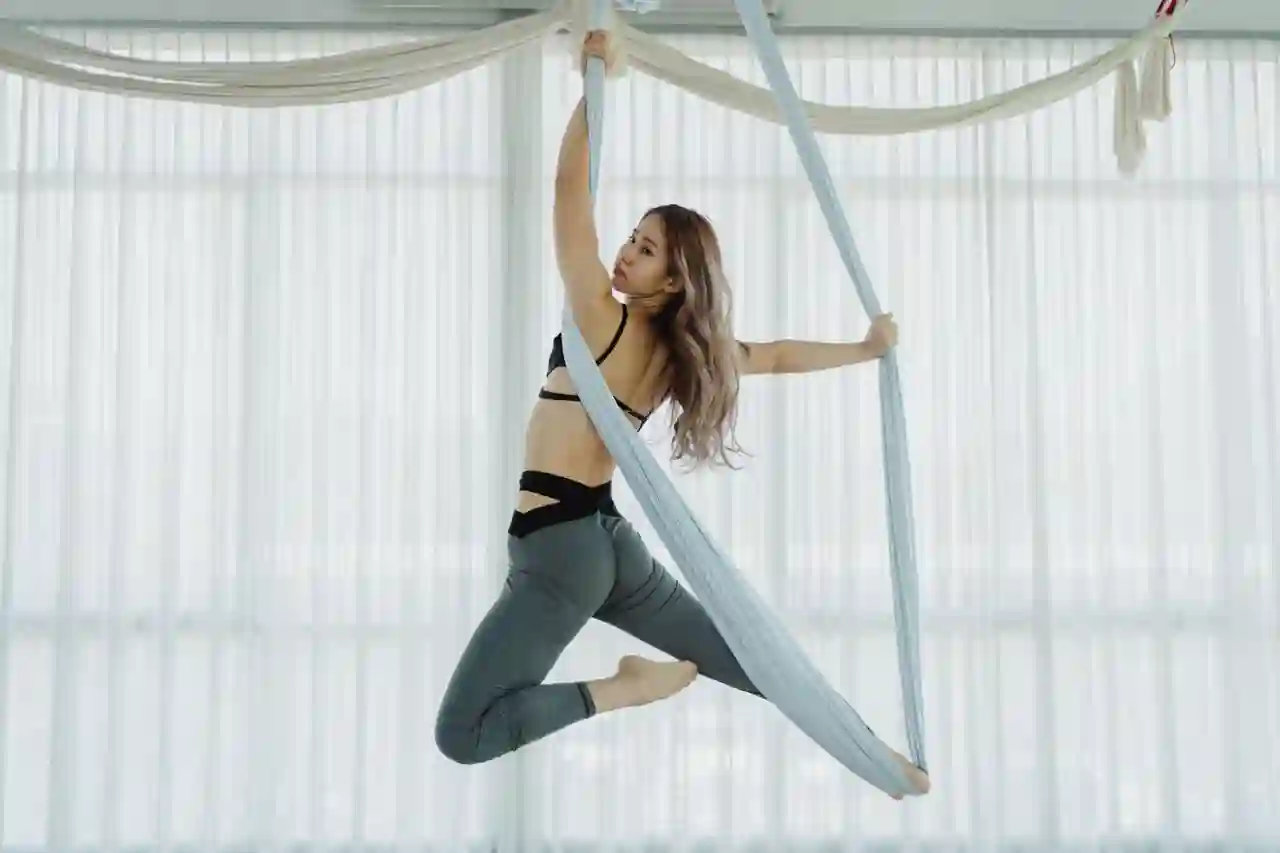
Related reading: yin yoga and the gentle practice behind it is a close cousin, float therapy and what to expect is a different route to deep rest, and aerial yoga for beginners suits people who want more movement.
Look for a teacher who offers props, explains modifications and invites you to adjust. Ask about training in restorative or therapeutic approaches and about experience with pregnancy or injuries. Browse restorative yoga teachers and related practices on Gyfts Explore to compare options near you.