Before the Session: What to Expect
The anticipation before a sports massage session often brings a mix of hope and curiosity. If you're new to this practice, you might wonder what the experience will actually feel like. Most people approach their first session with some tension—partly nervous, partly hopeful. This is completely normal.
Before arriving, think about what you want the session to address. Are you nursing soreness from a recent workout? Do you have chronic tightness in a particular area? Are you an athlete looking to support your recovery routine? Having clarity on your needs helps your practitioner focus their work where it matters most.
On a practical level, arrive 10–15 minutes early if it's your first visit. You'll likely fill out a simple health form covering any injuries, medical conditions, or areas of particular concern. Be honest about these details—your practitioner needs accurate information to work safely and effectively. If you've had recent injuries, surgeries, or skin conditions, mention them. If you're pregnant or have chronic pain, this is the time to discuss whether sports massage is right for you at this moment.
Wear comfortable clothes you can easily change out of. Most practitioners will give you privacy to undress to your comfort level, typically providing a sheet or blanket for coverage. Eat lightly beforehand—a heavy meal right before massage can feel uncomfortable. Hydration is more important; drinking water in the hours before your session prepares your body well.
Arriving and Setting the Scene
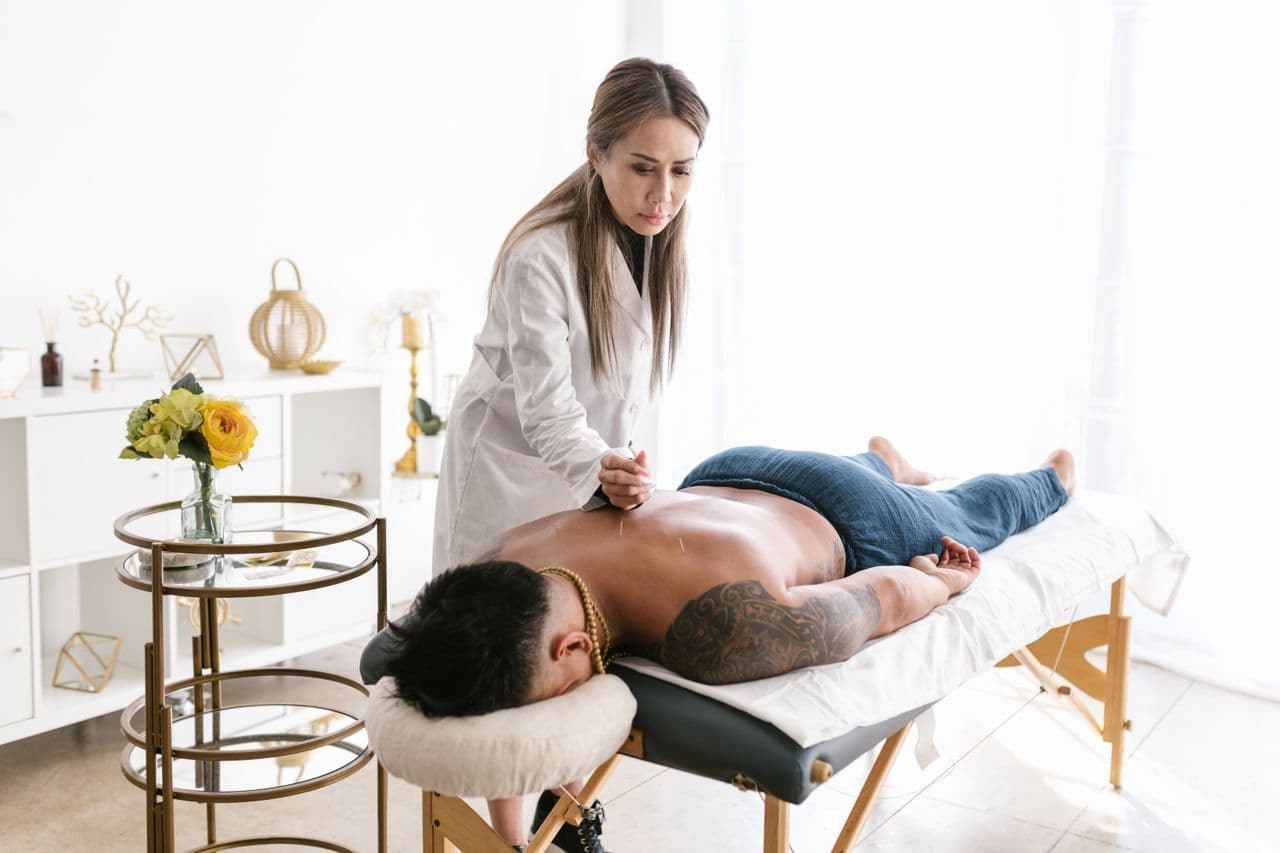
Walking into a massage space often feels like stepping away from the usual world. The lighting is typically softer than elsewhere—warm, not harsh. There's usually gentle music playing, sometimes nature sounds, sometimes just ambient calm. The room temperature is comfortably warm, which matters because your muscles relax better when you're not cold. A slight scent of essential oils or unscented lotions might greet you, though quality practitioners respect that not everyone enjoys fragrance.
Your practitioner will greet you, often with a clear question: "How are you feeling today? Any new areas of concern since we last spoke?" Even if it's your first session, this conversation is important. They might ask about your activity level, whether you've had recent injuries, or what brought you in today. Good practitioners listen carefully and ask follow-up questions. They're building a picture of your body, your concerns, and what success looks like for you.
You'll be led to the massage room and given privacy to undress and lie down, typically on a cushioned table. The room is quiet, often with only soft music or ambient sound. You'll be under a sheet or blanket, staying warm and covered except where the practitioner is working. Before they begin, most practitioners check in one more time: "Is the table temperature okay? Any other concerns before we start?" This final pause signals respect for your comfort and agency. You're in partnership with the practitioner, not passive. If anything feels wrong—temperature, pressure, an uncomfortable position—you can absolutely speak up at any point.
During the Session
The session typically begins gently. Your practitioner might start by assessing your muscles, feeling for areas of tightness or tension. You'll likely feel their hands moving across the region you want worked on—perhaps your legs, back, shoulders, or neck. There's a quality of listening in good hands; they're not rushing to deep pressure, but rather learning your body's patterns.
As the session deepens, you'll notice distinct sensations. The pressure increases gradually. In tight areas, you might feel what's often described as a "good ache"—not pain, but significant sensation. Some people say it feels like a knot is being carefully unwound. Others describe it as tender but deeply satisfying, like a release is happening. The practitioner might use their forearms, elbows, or hands, often working with sustained pressure on problem areas rather than quick, light strokes.
You might feel your breathing change. As pressure releases tension, your body naturally relaxes, and your breathing often deepens. Some people feel their mind quieting—not necessarily falling asleep, but entering a calm, present state. Time often feels strange during massage; thirty minutes can feel like five, or an hour like twenty. This is the nervous system shifting into a calmer state.
Sports massage often includes stretching. Your practitioner might gently move your limb to extend a muscle, or they might ask you to breathe deeply as they apply sustained pressure to a particular spot. You'll feel your range of motion shift—sometimes immediately, sometimes gradually as the session progresses. It's common to feel a sense of opening, like space is returning to areas that had been compressed.
Throughout the session, your practitioner might ask questions like "How's the pressure?" or "Any tender spots here?" You're always in control. If pressure feels too intense, say so. If you want them to focus more on a particular area, speak up. The best sessions are collaborative conversations between your body and the practitioner's skilled hands.
How You May Feel Afterwards
As the session winds down, there's often a sense of transition. Your practitioner might slow their pace, their touch becoming lighter and more integrative, helping you gradually return to normal awareness. They'll let you know the session is ending and give you a moment before you need to move.
That first moment when you stand up can be striking. Many people describe feeling taller, as if compressed areas have expanded. Your shoulders might sit differently. Your neck might turn more freely. You might feel a sense of relaxation that spreads through your whole body, or a focused relief in the area that was worked on most intensively. Some people feel energized; others feel deeply calm or even a bit drowsy. Both responses are normal—your nervous system is processing the session.
Your practitioner will likely give you aftercare guidance: drink plenty of water over the next few hours to support your body's natural processes. Light movement—a gentle walk or easy stretching—is often recommended. Avoid strenuous activity for the rest of the day; your body has done repair work and benefits from some rest. Some people experience mild muscle soreness in the 24 hours after a deep session, similar to a gentle workout. This usually fades quickly and is often interpreted as a sign that tissue is responding and healing.
Over the following days, many people notice sustained improvements. Tightness that had felt chronic might ease noticeably. Movement that was restricted—turning your head, reaching overhead, bending forward—often feels freer. Some people sleep better, or find that their usual aches are quieter. Others notice improved performance in their sport or activity of choice. Benefits can last days or weeks, particularly if you're consistent with sessions and supportive habits like stretching, proper warm-ups, and good recovery practices.
It's important to recognize that results vary. Not every session produces dramatic shifts, and individual responses depend on many factors: your body's baseline condition, whether you're injured or simply maintaining, your overall recovery practices, and your own nervous system. Some people feel profound shifts immediately; others notice gradual improvements over several sessions. Patience and realistic expectations support a better long-term experience.
Is It Right for You?
Sports massage may be a valuable complement to your wellness routine if you're physically active, experience muscle tension, or are recovering from minor muscle strain. If you train regularly, play sports, or have an active job, periodic sports massage sessions can support your body's recovery and help prevent chronic tightness. If you sit most of the day and wake with neck or back tension, sports massage might help release that pattern—though it works best alongside stretching and movement practices.
This practice is most helpful as part of a broader approach to wellness. It works well alongside physical therapy, strength training, stretching routines, and good sleep and nutrition practices. It's not a substitute for medical treatment. If you have acute injuries, chronic pain that limits your function, or serious medical conditions, consult your healthcare provider before booking a sports massage. They can advise whether massage is appropriate for your situation and might even recommend it alongside other treatments.
Choose a qualified, experienced sports massage practitioner. They should be trained in anatomy, have credentials from a recognized program, and listen carefully to your needs rather than applying a one-size-fits-all approach. A good practitioner respects your boundaries, communicates clearly, and adjusts their technique based on your feedback.
If you decide to explore sports massage, approach it with openness and realistic expectations. One session can feel wonderful, but consistent results usually come from regular sessions over time—weekly or bi-weekly during periods of heavy training, monthly for maintenance. Pay attention to how your body responds. Track whether your usual aches improve, whether your range of motion expands, whether your recovery from activity improves. Use those observations to decide whether this practice is worth continuing in your own wellness plan.
Ultimately, sports massage is an investment in listening to your body, supporting its recovery, and maintaining the resilience that active living requires. Whether it's right for you is a personal choice—one that combines practical need, physical response, and what feels sustainable in your life.