What Is Sports Massage?
Sports massage is a form of soft-tissue therapy designed specifically to support the physical demands of training, competition, and recovery. Unlike relaxation or Swedish massage, which prioritizes overall stress relief and relaxation, sports massage applies targeted techniques to address the muscle groups most affected by athletic activity or physical strain.
Sports massage is used by athletes, fitness enthusiasts, and active individuals—as well as people managing work-related or postural muscle tension. It combines deep-pressure techniques, stretching, friction, and mobilisation to enhance muscle function, support tissue recovery, and complement injury management. Importantly, sports massage is a complementary therapy; it does not diagnose conditions or replace medical treatment, but rather works alongside conventional care to support your body's natural repair processes.
The practice draws on principles of exercise physiology, anatomy, and musculoskeletal mechanics. A qualified sports massage therapist understands how different activities stress the body, recognizes patterns of tension and compensation, and applies evidence-informed techniques to address these patterns. Sessions may be tailored to your specific needs—whether you are preparing for an event, recovering from overuse, or managing chronic muscle tension alongside other treatments.
How Does It Work?
Sports massage works through several interconnected physiological mechanisms. The primary effect is to increase blood flow to targeted tissues, delivering oxygen and nutrients needed for repair while removing metabolic waste products that accumulate during intense activity. This enhanced circulation is particularly valuable in the first 24–72 hours after exercise, when delayed-onset muscle soreness (DOMS) develops.
The mechanical action of massage—firm pressure, stretching, and friction—also helps release myofascial tension. Muscles and the connective tissue surrounding them (fascia) can become knotted or restricted after intense use or repetitive strain. By applying sustained pressure and movement, a therapist can help break up adhesions and restore normal tissue length and elasticity. This reduction in tension often translates to improved range of motion, reduced discomfort, and better muscle function.
Massage also stimulates the lymphatic system, which removes fluid, proteins, and metabolic byproducts from tissues. Unlike the blood circulatory system, the lymphatic system relies on muscle contraction and external pressure to move fluid. This is why massage—and movement itself—helps reduce swelling and supports recovery.
At a neurological level, massage can influence the nervous system. Sustained pressure and gentle techniques may activate the parasympathetic nervous system (the 'rest and digest' state), reducing muscle guarding and tension patterns. This is why clients often report feeling more relaxed after a session, even if the massage was firm. Over time, regular massage may help retrain muscles out of chronic tension patterns, particularly in areas prone to postural strain.
What Does a Session Involve?
A typical sports massage session lasts between 30 and 90 minutes, depending on the area being treated and your needs. Your first appointment usually includes a consultation where the therapist asks about your training history, current activities, any injuries or pain, and your goals for the session. This allows them to understand your biomechanics and tailor their approach.
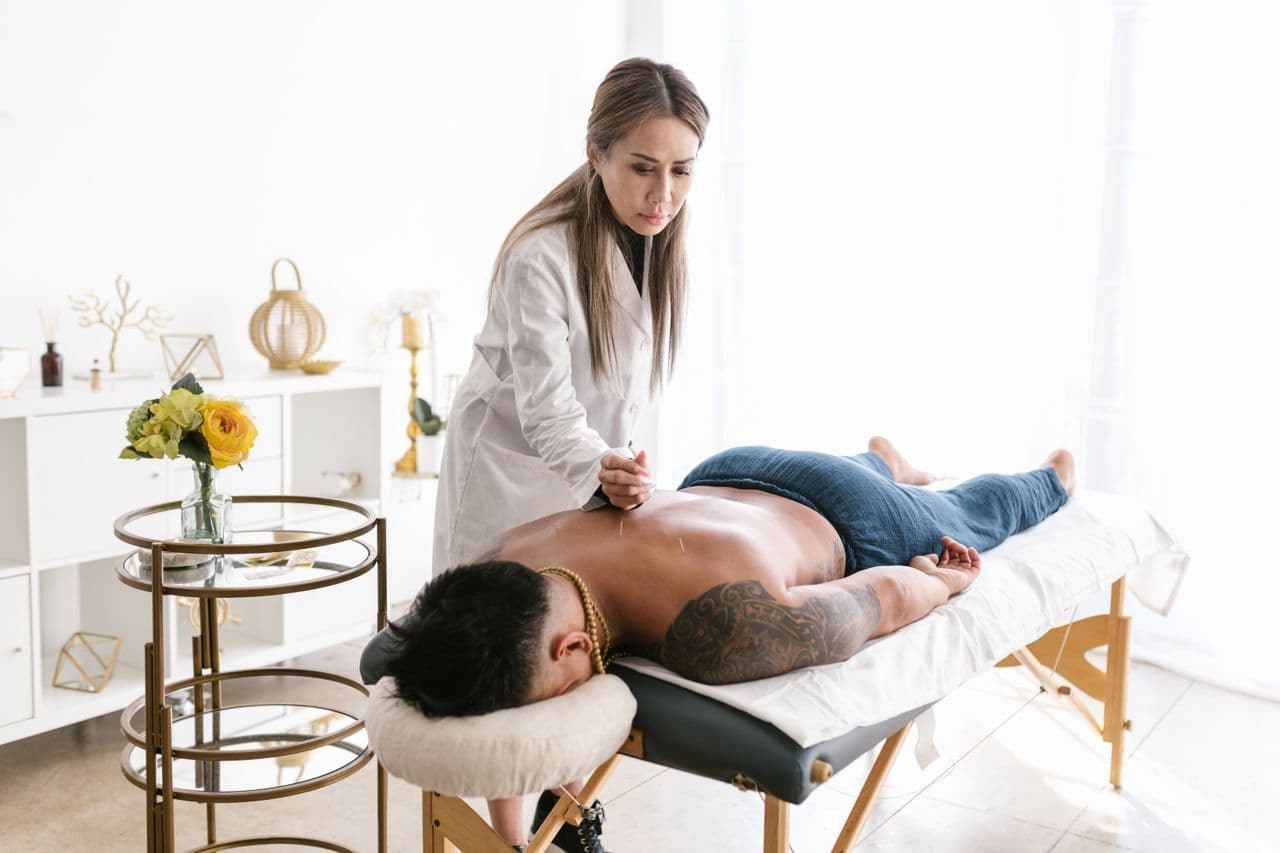
During the session, you will typically lie on a massage table, wearing comfortable clothing or underwear, with areas to be massaged exposed. The therapist will use oils or balms to reduce friction and apply a range of techniques. These may include long, flowing strokes to warm the tissue and increase circulation; deeper, sustained pressure to release tension; cross-fiber friction to address stubborn knots or adhesions; and stretching or mobilisation to improve range of motion. The intensity varies throughout the session—some areas may receive gentle, preparatory work, while others receive firmer pressure targeted at specific tension.
A skilled therapist communicates throughout, asking whether pressure is comfortable and adjusting accordingly. You should never experience sharp pain, though some discomfort when pressure is applied to tight areas is normal. Many therapists work in silence or with minimal conversation to allow relaxation, though you are always welcome to discuss any concerns.
Toward the end of the session, work typically becomes lighter as the therapist helps you transition back to alertness. The session concludes with advice—often including stretches, hydration guidance, or activity recommendations for the following days. Some soreness or fatigue in the hours following massage is common and typically resolves within 24 hours.
Who May Benefit?
Sports massage is most obviously beneficial for athletes in structured training or competition. Runners, cyclists, swimmers, team sport players, and strength athletes all use sports massage to support performance, manage training fatigue, and prevent or recover from overuse injuries. However, the benefits extend well beyond elite or competitive contexts.
If you are regularly active—through gym training, recreational sport, or even occupational physical demands—you may experience muscle tension, stiffness, or minor strains that respond well to sports massage. Office workers and people with repetitive occupational strain (such as those in trades or caregiving roles) often benefit, as their muscle tension patterns can be similar to those seen in athletes.
Individuals managing specific conditions or injuries may also benefit, provided they have medical clearance. Someone recovering from a muscle strain, working through a rehabilitation protocol for a sports injury, or managing chronic conditions like sciatica or plantar fasciitis may find sports massage a helpful complement to physiotherapy or other treatments. However, always consult your healthcare provider before seeking massage for any diagnosed condition.
Sports massage is particularly valuable if you experience delayed-onset muscle soreness (DOMS), chronic muscle tension, limited range of motion, or stiffness that restricts movement or comfort. It is less suitable for acute injuries (severe pain, significant swelling, or injury occurring less than 72 hours ago), acute inflammation, or conditions requiring immediate medical attention. If you have a recent diagnosis, significant health condition, or are unsure whether massage is appropriate for you, discuss it with your doctor or physiotherapist first.
What Does the Evidence Say?
Sports massage has substantial research support, particularly for conditions related to muscular recovery and tension. The strongest evidence exists for delayed-onset muscle soreness (DOMS) and acute muscle strain. Multiple studies demonstrate that massage increases blood flow and lymphatic drainage to affected tissues, reducing pain and supporting faster tissue repair. The effect is most pronounced when applied in the 24–72 hours after intense activity.
For muscle strain, evidence supports sports massage as a tool to facilitate healing of muscle fibers and potentially prevent excessive scar tissue formation, particularly when integrated into a broader rehabilitation protocol. Moderate evidence supports the use of sports massage for chronic neck pain, sciatica, plantar fasciitis, and tendinopathy, though results are more variable than for acute recovery. In these cases, sports massage works best as part of a multimodal approach that may include stretching, strength work, postural correction, and other therapies.
It is important to note that while evidence for sports massage is encouraging, it is not a standalone cure for any condition. Rather, research supports its role in supporting tissue repair, reducing tension, and complementing other interventions like physiotherapy or medical care. The quality and relevance of evidence varies by condition; DOMS research is particularly robust, while evidence for some chronic conditions reflects moderate support rather than definitive proof of efficacy.
The mechanisms behind sports massage—increased circulation, mechanical release of tension, and neurological effects—are well-established physiologically. However, individual responses vary. Factors such as the therapist's skill, the specific techniques used, the timing and frequency of sessions, and individual tissue characteristics all influence outcomes. This variability is why personalized guidance from a qualified therapist and integration with other appropriate care is important.
Safety and Considerations
Sports massage is generally safe for most physically active individuals when delivered by a qualified therapist. However, certain conditions and situations warrant caution or contraindication. Avoid massage on acutely inflamed, infected, or severely damaged tissue. Recent open wounds, burns, or severe bruising should not be massaged. Undiagnosed pain should always be evaluated medically before seeking massage.
Individuals with specific health conditions should consult a healthcare professional before booking a sports massage. This includes those with cardiovascular conditions, blood clotting disorders, those taking anticoagulant medications, acute fever or systemic infection, severe osteoporosis, or skin conditions that could spread through contact. Anyone with a recent diagnosis, significant health condition, or uncertainty about whether massage is appropriate should obtain medical clearance first.
Always inform your therapist of your complete medical history, current medications, recent injuries, and any pain or discomfort you experience. A qualified therapist will use this information to modify their approach or recommend you seek medical assessment if needed. Never discontinue prescribed medication or prescribed physiotherapy in favor of massage alone.
After a session, some mild soreness, fatigue, or temporary increase in symptoms can occur, particularly if deep work was done on very tense tissue. This typically resolves within 24 hours. However, if you experience severe pain, significant swelling, or symptoms that persist or worsen, contact your healthcare provider. Some people may experience mild headache or nausea after massage, usually related to dehydration or the release of tension; staying hydrated and resting typically helps. If you have concerns about any post-massage symptoms, discuss them with your therapist or doctor.
How to Find a Qualified Practitioner
Finding a qualified sports massage therapist requires checking credentials, experience, and professional standing. Look for therapists with recognized certification from professional bodies such as REPS UK (Register of Exercise Professionals), CIMSPA (Chartered Institute for the Management of Sport and Physical Activity), or equivalent organizations in your region. These bodies maintain standards for training and professional conduct.
In the United Kingdom, many sports massage therapists register with the Sports Massage Association (SMA) or similar professional bodies. Check whether a therapist holds current professional indemnity insurance, which protects you as a client. Some therapists are registered with health regulating bodies; this is an additional indicator of professional standards.
When considering a therapist, review their qualifications and experience. A minimum qualification is typically a Level 3 diploma in sports massage therapy, though many have additional training in anatomy, physiology, or specific techniques. Experience working with your sport or condition is valuable—a therapist experienced with distance runners, for instance, will have particular insight into common patterns and effective approaches for that population.
Recommendations from athletes, coaches, fitness professionals, or your physiotherapist can be invaluable. Read online reviews, but remember that individual experiences vary. Your first consultation is an opportunity to assess whether the therapist listens, explains their approach clearly, and responds to your needs. A good therapist will ask detailed questions, discuss their findings, and explain their recommendations. Trust your instincts; if you do not feel comfortable, it is fine to seek another practitioner.
Cost varies regionally and by therapist experience. A typical session may cost between $30 and $80, with package discounts sometimes available. If you are managing a diagnosed injury or condition, some practitioners accept referrals from physiotherapists or doctors, and a few sessions may be covered by health insurance; check your policy. When you book, clearly communicate your goals and any health concerns so the therapist can prepare appropriately.