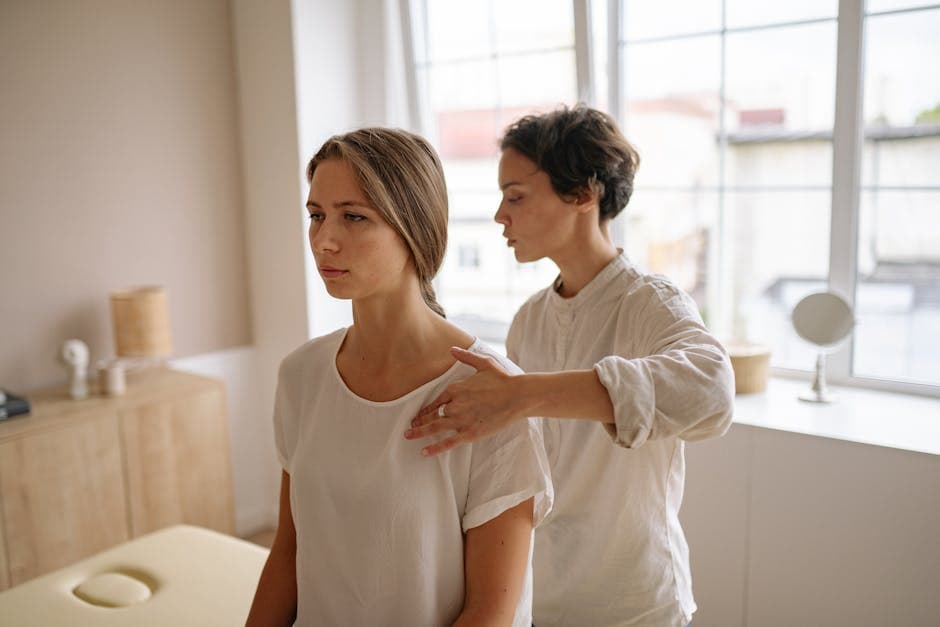
What it is
Osteopathy uses hands-on techniques to improve how your body's structure and systems work together.
Osteopathy is a hands-on approach to musculoskeletal health based on the principle that the body's structure and function are interconnec...
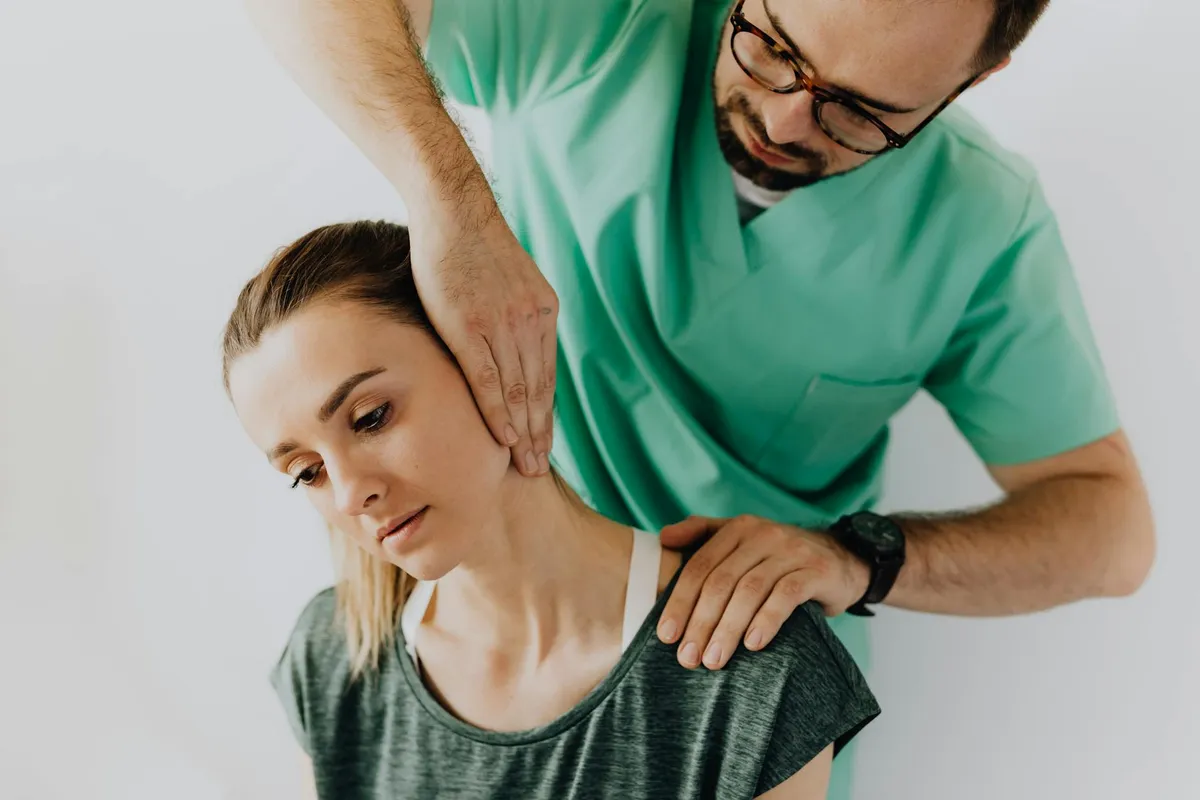
At a glance
What it is
Osteopathy uses hands-on techniques to improve how your body's structure and systems work together.
Why explore it
It may ease back pain, neck stiffness, tension headaches, and recovery from sports injuries.
How it’s experienced
Expect a health review, posture assessment, and gentle work on muscles and joints over one session.
Evidence context
Research moderately supports it for back and neck pain, though results vary by person and condition.
See the evidence snapshotSafety
Generally safe with a qualified practitioner, but get medical clearance if you have bone or joint conditions.
See staying safeHistory & Origin
Osteopathy is a holistic approach to musculoskeletal health that focuses on the body's self-healing abilities.
Osteopathy was founded in 1874 by Andrew Taylor Still, an American physician who developed the approach after becoming dissatisfied with conventional medicine's limitations in treating chronic conditions. Still observed that many health problems were related to structural imbalances and restricted mobility, leading him to develop manual techniques to restore proper alignment and function. He established the first college of osteopathic medicine in Kirksville, Missouri, in 1892, formalizing training and principles that emphasized treating the whole person rather than isolated symptoms.
The discipline spread throughout North America and Europe in the early 20th century, with osteopathy evolving into different traditions. In the United States, osteopathic medicine (D.O. degree) became integrated into mainstream medical education and now includes comprehensive clinical training alongside manual techniques. In the United Kingdom, Europe, and Australia, osteopathy developed as a separate complementary health profession focused primarily on manual therapy and structural assessment. Today, osteopathy exists on a spectrum from medically integrated practices to independent complementary practitioners, with varying regulatory frameworks depending on location.
Approaches
Osteopathy isn’t a single method. Practitioners may train in one tradition or blend several — here are the styles you’re most likely to meet.
Uses hands-on techniques for joints, muscles, and movement mechanics.
Uses very gentle touch around the head, spine, and sacrum.
Uses gentle manual techniques aimed at mobility of organs and surrounding tissues.
A broad hands-on approach used by osteopathic clinicians to address movement and tissue restrictions.
Mechanism
Osteopathy is generally described as working through skilled touch, careful pacing, and the body's response to pressure, movement, warmth, or stillness. Practitioners may focus on muscle tone, joint comfort, circulation, breath, or relaxation depending on the method. Traditional explanations may also include energy flow or whole-person balance. Research support varies by modality, so the experience is best framed as supportive care with outcomes that vary. Osteopathic practitioners use hands-on manual techniques to identify and treat restrictions in muscles, fascia, and joints that limit movement and contribute to pain.
Your first visit
A typical session outline to help you feel prepared
An osteopathy session blends a thorough health chat with skilled hands-on work to support your body's natural balance and movement.
Your osteopath will ask about your health history, current concerns, lifestyle, and any past injuries. This conversation helps them understand your whole body picture, not just the area that's bothering you.
You'll be asked to stand and move in simple ways while your osteopath observes your posture, balance, and how your body moves. This visual assessment helps identify areas of tension or restricted movement.
Your practitioner will use their hands to gently feel along your spine, joints, and soft tissues, checking for areas of tightness, tenderness, or reduced mobility. This palpation is a key diagnostic tool in osteopathy.
Wear comfortable, loose clothing as your practitioner may work across different areas of your body. You'll typically lie on a padded table and your osteopath will talk you through each technique before applying it.
Using slow, rhythmic pressure and stretching, your osteopath releases tension in muscles and connective tissue. You may feel gentle joint movements and a sense of warmth or mild release as tight areas begin to ease.
Osteopaths often use gentle craniosacral or fascial techniques that involve very light touch and feel almost still. These subtle approaches work with your nervous system and may bring a deep sense of calm or relaxation.
Your session closes with a brief reassessment to notice any changes in movement or comfort. Your osteopath may suggest simple stretches or postural tips to support your progress between sessions.
Mild soreness for a day or two is normal as your body adjusts. Your practitioner will advise on hydration, rest, and how many sessions may be helpful based on your individual needs.
The Evidence
What research says about osteopathic manual therapy, where evidence is stronger, and where important gaps remain.
Reasonable support for musculoskeletal pain; mixed elsewhere
Osteopathy has moderate research support for lower back and neck pain, with some studies showing outcomes comparable to physical therapy. Evidence for non-musculoskeletal claims is limited, and study quality varies considerably across the field.
Multiple systematic reviews indicate moderate effectiveness for acute and chronic lower back pain, with outcomes broadly comparable to conventional physical therapy. Evidence for neck pain and cervicogenic headaches exists but is less consistent. Outside musculoskeletal conditions, research support is limited and should not be overstated.
Common limitations include small sample sizes, difficulty blinding participants, and challenges isolating specific techniques from general hands-on contact. This makes it hard to determine which elements of treatment drive outcomes. Evidence quality has improved in recent years, but gaps remain across many claimed applications.
For musculoskeletal conditions, osteopathy is often integrated with primary care, physiotherapy, or rehabilitation. It is not a substitute for professional assessment of serious or undiagnosed symptoms. Practitioners in many countries work within referral networks, and coordination with your primary care provider is generally recommended.
In the United States, osteopathic physicians hold full medical degrees with additional manual therapy training. In the UK, Australia, and Europe, osteopathy is a separate regulated profession with its own training pathways. Licensing requirements vary internationally, so verifying credentials and regulatory registration in your region is an important step before beginning care.
Consult a doctor before osteopathic treatment if you have unexplained progressive symptoms, recent significant trauma, suspected fractures, active infection, or severe osteoporosis. Manual techniques should be avoided or used with caution in cases of active cancer, unstable fractures, or acute inflammatory flare-ups. Adverse effects are typically mild and short-lived when a qualified practitioner is involved.
Typical presentations include lower back pain, neck tension, shoulder dysfunction, repetitive strain, and tension headaches. Some practitioners also work with post-surgical recovery and joint mobility. Responses vary between individuals, and osteopathy works best as part of a broader care plan rather than a standalone intervention for complex conditions.
Safety first
General guidance to help you decide whether this approach is appropriate for you. This is informational only and not a substitute for medical, psychological, or professional advice.
If you are pregnant, managing a health condition, recovering from injury or surgery, or taking medication, consult a qualified healthcare professional first.
Some situations call for extra care or a different approach. Share any conditions, injuries, or sensitivities with your practitioner before your first session.
Mild, short-lived effects such as tenderness, tiredness, or temporary soreness can occur. Rest, hydrate, and tell your practitioner how you respond.
Look for clear boundaries, transparent pricing, and practitioners who avoid fear-based claims or pressure to book frequent sessions.
For you?
A simple, human way to weigh it up. This is general guidance, not personal medical advice — a qualified practitioner can advise on your situation.
Gyfts is a discovery platform, not a medical provider. Nothing here diagnoses, treats or replaces professional care. In an emergency, contact your local emergency number.
Explore approaches
Other practices people often explore alongside osteopathy.
In their words
FAQ
A typical session begins with detailed health history discussion and physical examination assessing posture, alignment, and joint mobility. The practitioner then uses various hands-on techniques including soft tissue release, joint mobilization, and stretching to address restrictions and promote better alignment. Sessions usually last 30-60 minutes, and treatment is tailored to your specific needs.
This varies significantly based on your condition. Acute issues may improve in 2-4 sessions, while chronic problems often benefit from 6-12 sessions. Your practitioner will assess progress regularly and discuss realistic timelines. Some people use periodic maintenance sessions for prevention.
Treatment should not be painful, though you may feel pressure and stretching sensations. Some techniques can cause mild discomfort if applied to tense or injured areas. Communicate with your practitioner about your comfort level—they can adjust pressure and technique. Mild soreness after treatment (similar to post-exercise soreness) can occur but typically resolves within 24-48 hours.
Many people with chronic musculoskeletal pain find osteopathy helpful as part of a broader management approach. Results vary considerably. Chronic pain often responds better when osteopathy is combined with exercise, ergonomic adjustments, and stress management. Discuss realistic expectations with your practitioner.
Regulation varies dramatically by location. In the UK, osteopaths must be registered with the General Osteopathic Council. In the US, osteopathic physicians (D.O.) are fully licensed medical doctors with additional osteopathic training. In many other countries, osteopathy is unregulated. Always verify your practitioner's qualifications and credentials.
Yes, many people use osteopathy alongside conventional medical care, physical therapy, or other complementary approaches. Inform all your healthcare providers about all treatments you're receiving to ensure coordinated, safe care and to avoid conflicting recommendations.
Your practitioner will provide specific guidance based on your treatment. Generally, avoid strenuous activity for 24-48 hours, stay hydrated, and follow any postural or movement recommendations. Some practitioners suggest gentle movement or specific exercises to support recovery. Report any unusual symptoms or worsening pain to your practitioner.
While both use hands-on techniques for musculoskeletal issues, osteopathy emphasizes whole-body structural assessment and gentle mobilization of multiple tissues, whereas chiropractic traditionally focuses on spinal alignment through specific joint adjustments. Osteopathy typically uses broader assessment and softer techniques, while chiropractic may involve more forceful 'cracking' adjustments. Both philosophies differ in emphasis, though there's significant overlap in practice.
References
Educational sources that inform this overview. Inclusion is for context and does not imply endorsement.
Full citations are maintained by the Gyfts editorial team and reviewed periodically.
Keep exploring
Browse practitioners, explore honest overviews, and take what you learn to a conversation — at your own pace.