What Is Pilates?
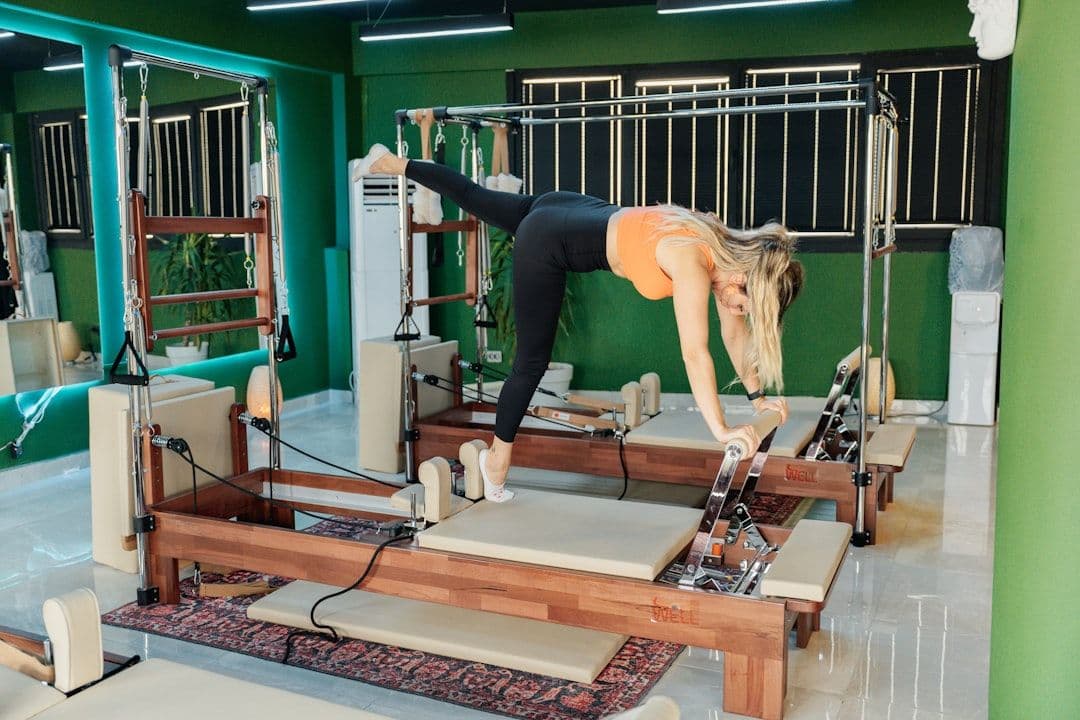
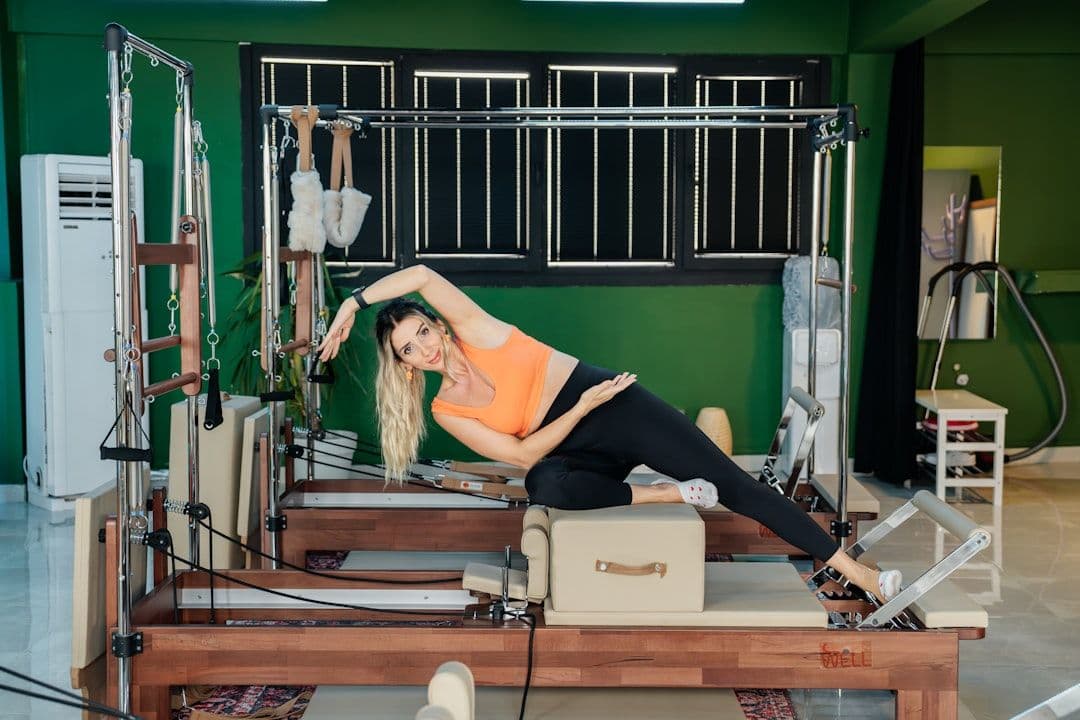
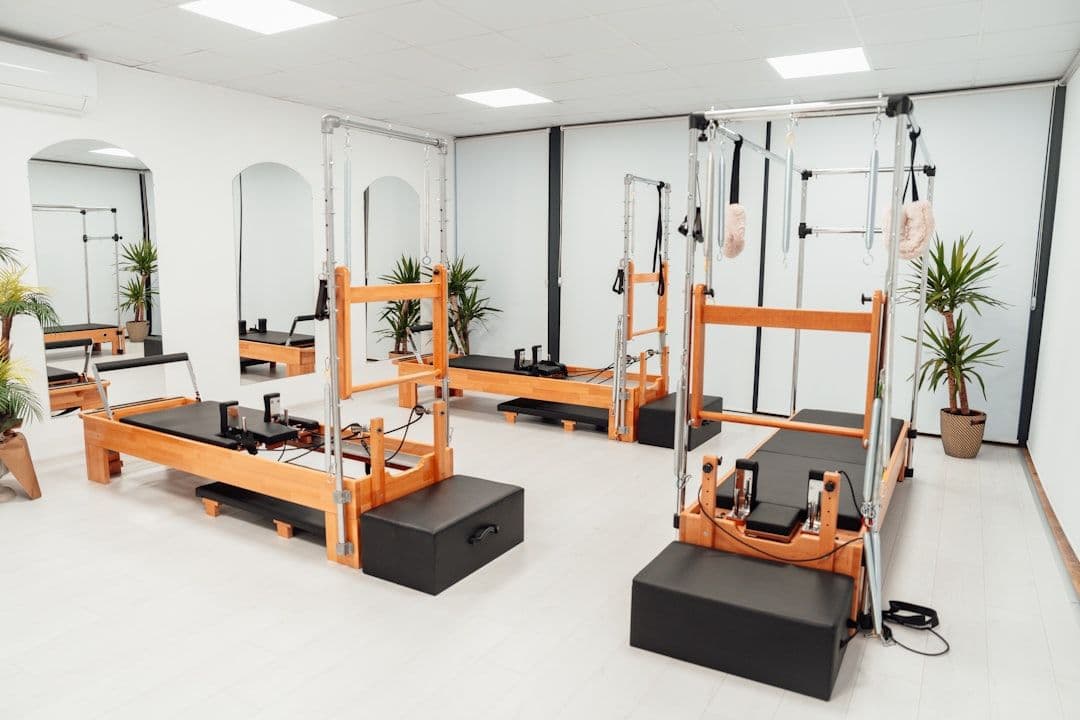
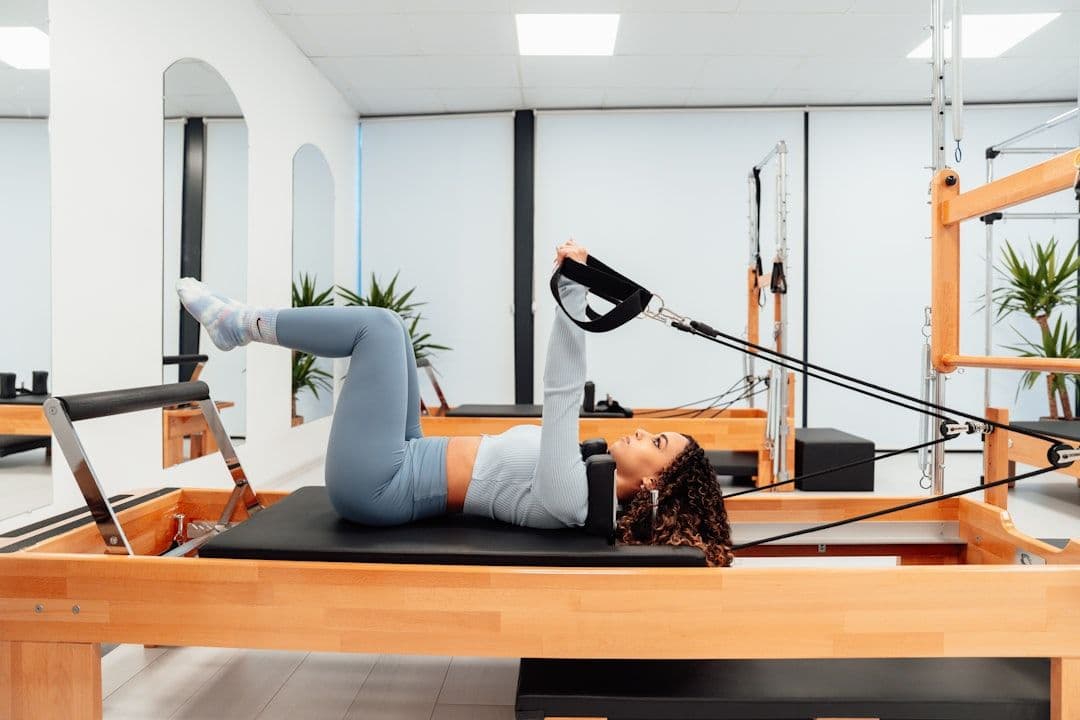
Pilates is a low-impact exercise method developed in the early 1900s by Joseph Pilates, originally called 'Contrology.' It combines principles from yoga, dance, and gymnastics with a focus on controlled, precise movement and core strengthening. Unlike high-intensity cardio or weightlifting, Pilates emphasises quality of movement over quantity, coordination, and body awareness. The practice is built on six core principles: centering (activating the core), concentration (mindful movement), control (precision over momentum), flow (smooth, continuous motion), breathing (coordinated with movement), and isolation (working specific muscle groups while stabilising others). Pilates is performed either on a mat using bodyweight and minimal props, or on specialised equipment such as reformers, Pilates chairs, and barrels, which provide variable resistance and support. Today, Pilates is used in fitness settings, rehabilitation clinics, and clinical practice as a complementary approach to musculoskeletal health and wellness.
How Does It Work?
Pilates works by systematically strengthening the deep stabilising muscles of the core, particularly the transverse abdominis, multifidus, and pelvic floor muscles, which support and stabilise the spine. By developing these foundational muscles, Pilates may help reduce compensatory strain on larger, more superficial muscles and joints. The method also emphasises postural awareness and alignment, helping practitioners identify and correct movement patterns that may contribute to pain or dysfunction. Controlled breathing during Pilates—typically inhaling during preparation and exhaling during effort—activates the diaphragm and deep abdominal muscles, enhancing core engagement. The practice also encourages proprioceptive awareness, the body's ability to sense its position and movement in space, which improves balance and coordination. Over time, consistent practice may retrain movement patterns, reduce muscle tension, improve flexibility, and enhance overall functional capacity. For people with conditions such as chronic back pain, pelvic floor dysfunction, or osteoarthritis, this systematic approach to strength and awareness may help reduce symptoms and improve daily function when combined with other care strategies.
What Does a Session Involve?
A typical Pilates session lasts 45 to 60 minutes and begins with an assessment or brief discussion of your goals, current symptoms, and any limitations. The instructor will observe your posture and movement to identify asymmetries or areas of tightness. A session typically includes a gentle warm-up involving breathing and mobilisation exercises to prepare the body. The main workout comprises a series of controlled exercises performed slowly, usually between 5 and 10 repetitions, with attention to alignment and form. Exercises progress from simpler, foundational movements to more complex sequences as strength and awareness improve. The instructor provides hands-on cues, verbal feedback, and modifications tailored to your level. If using equipment, the instructor will adjust springs, handles, and positioning to provide appropriate resistance. A session concludes with cool-down stretching and breathing work. Mat Pilates classes in group settings may be more standardised and faster-paced, while private or semi-private sessions allow for greater individualisation. Most practitioners recommend 2 to 3 sessions per week for meaningful progress, though frequency can vary based on your goals and current condition.
Who May Benefit?
Pilates may benefit a wide range of people, from those managing chronic pain to fitness enthusiasts seeking functional strength. People with chronic lower back pain or stiffness may find Pilates particularly helpful, as core strengthening is often recommended as a primary strategy for managing this condition. Those with pelvic floor dysfunction or urinary incontinence symptoms may benefit from Pilates' emphasis on pelvic floor awareness and coordinated engagement, though specialised pelvic floor physiotherapy remains the gold standard. Individuals with osteoarthritis may appreciate Pilates' low-impact nature, as it allows gentle movement that may lubricate joints without the stress of impact-based exercise. People with postural concerns, desk-related tightness, or muscle imbalances often benefit from Pilates' focus on alignment and balanced strengthening. Those recovering from injury or seeking injury prevention may use Pilates to restore stability and functional movement patterns. Athletes sometimes incorporate Pilates to enhance core stability and proprioception. Additionally, people with multiple sclerosis or scoliosis who are under the care of a healthcare provider may use Pilates to improve balance, stability, and postural awareness. Pregnant individuals and postpartum people can practise Pilates with modifications designed by a prenatal or postpartum specialist. Generally, Pilates is accessible across ages and fitness levels when taught by a qualified instructor who can provide appropriate modifications.
What Does the Evidence Say?
Pilates has strong evidence supporting its use for chronic lower back pain management. Multiple systematic reviews and clinical trials demonstrate that regular Pilates practice, particularly when focusing on core stabilisation exercises, may reduce pain intensity and improve functional capacity in people with non-specific lower back pain. This evidence is most robust when Pilates is combined with other evidence-based treatments such as physiotherapy or medical care. Moderate evidence exists for Pilates' benefit in pelvic floor dysfunction, where the practice may improve pelvic floor muscle coordination and awareness; however, specialised pelvic floor physical therapy remains the primary evidence-based approach. For osteoarthritis, moderate evidence indicates that low-impact, controlled Pilates movement may help maintain joint mobility and reduce stiffness, though the practice does not reverse underlying joint changes. Similarly, moderate evidence supports Pilates for improving postural awareness and asymmetrical strength in scoliosis, and for enhancing balance and core stability in multiple sclerosis. For urinary incontinence, moderate evidence suggests that pelvic floor engagement through Pilates may support bladder control, though again, dedicated pelvic floor training is more specifically targeted. Overall, the evidence positions Pilates as a valuable complementary practice within a broader care plan rather than a standalone treatment. Quality of available studies varies, and individual responses depend on consistency of practice, proper form, instructor qualifications, and personalised programming. Healthcare professionals increasingly recommend Pilates alongside conventional treatment for musculoskeletal conditions, though evidence for specific conditions continues to evolve.
Safety and Considerations
Pilates is generally safe for most people when performed with correct form under qualified instruction. However, certain precautions are essential. Individuals with acute back pain, recent surgery, severe osteoporosis, or unstable joints should consult a healthcare professional or physiotherapist before beginning Pilates to ensure exercises are safe and appropriate for their condition. Those with neurological conditions such as multiple sclerosis, significant balance impairment, or vertigo should work with an instructor experienced in modifications and adaptations. Pregnant individuals must seek instruction from a prenatal Pilates specialist who understands which exercises to modify or avoid. People with pelvic pain, pelvic floor dysfunction, or recent pelvic surgery should also consult a healthcare provider before beginning, as some Pilates exercises may need modification. It is crucial to communicate clearly with your instructor about any pain, injury, or limitation, and to stop an exercise immediately if it causes sharp pain or significant discomfort; mild muscle fatigue is normal, but pain is a signal to modify or stop. Pilates should never replace prescribed medical treatment or physical therapy prescribed by a doctor. Some individuals may experience delayed-onset muscle soreness in the first few weeks as muscles adapt, but this typically resolves quickly. Finally, ensure your instructor is qualified and experienced with your specific condition, as improper form or inappropriate progression can lead to strain or injury.
How to Find a Qualified Practitioner
Finding a qualified Pilates instructor is essential for safe, effective practice. Look for instructors certified by recognised professional organisations such as the Pilates Method Alliance (PMA), STOTT Pilates, Power Pilates, or similar bodies in your region that require substantial training hours, typically 450 or more. These certifications ensure the instructor has studied anatomy, physiology, Pilates principles, and teaching methods comprehensively. You can search for certified instructors through official organisation websites or directories. When evaluating potential instructors, ask about their specific qualifications, years of experience, and whether they have experience working with your particular condition or concern. A qualified instructor should ask detailed questions about your medical history, current symptoms, and goals before your first session, and should observe your movement to identify asymmetries or limitations. They should be able to explain the purpose of each exercise and provide clear modifications rather than expecting everyone to perform the same movement. Consider requesting a trial session or consultation to assess whether the instructor's teaching style and approach suit you. Reading reviews or asking for references from current clients can also help. Check whether the studio or clinic is clean, well-maintained, and has appropriate equipment in good condition. If you are recovering from injury or managing a serious condition, seek an instructor who has training or certification in rehabilitation Pilates, or work in a clinic setting where Pilates is delivered by or under supervision of a physiotherapist. Group mat classes are more affordable but offer less individualisation, while private or semi-private sessions provide personalised attention and modification, which may be worth the investment if you have specific needs or limitations. Trust your instincts; a good instructor should make you feel heard, safe, and supported in your practice.