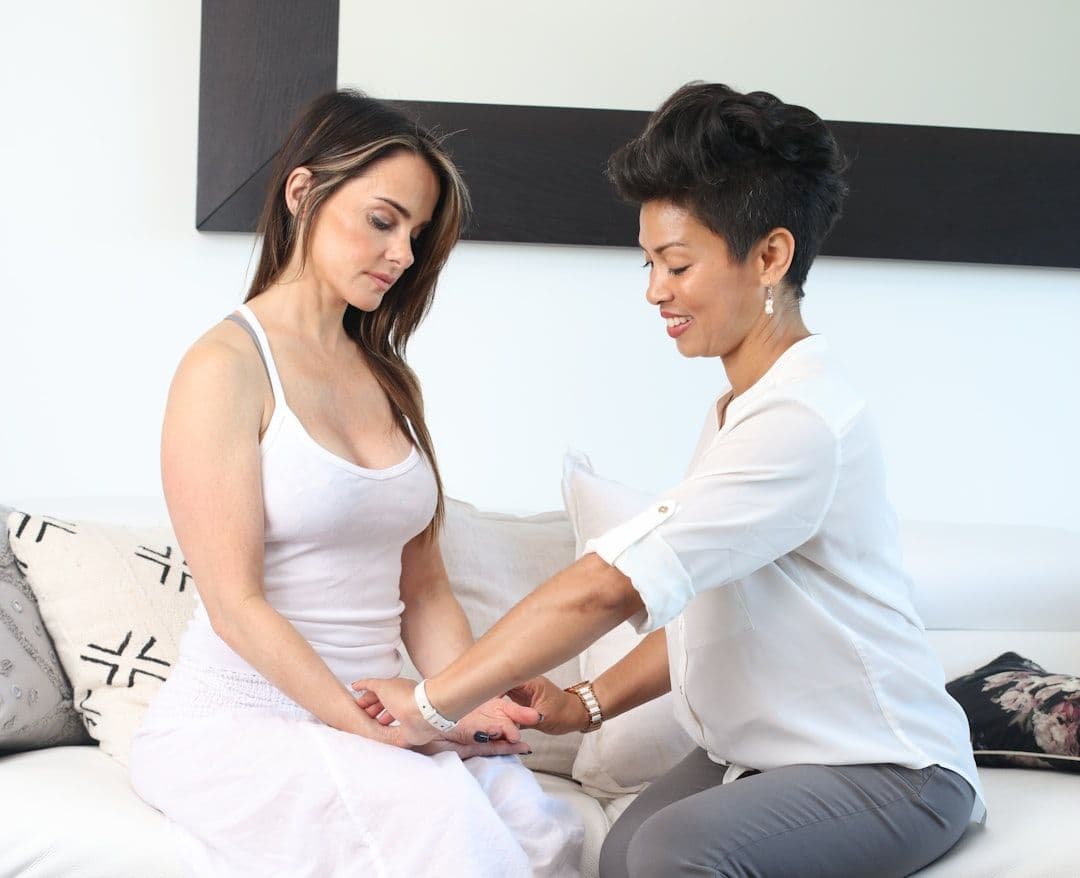
What it is
Garments or devices apply gentle graduated pressure to boost circulation and ease swelling.
Compression therapy uses controlled pressure through garments, bandages, or devices to improve blood circulation and reduce swelling in a...
At a glance
What it is
Garments or devices apply gentle graduated pressure to boost circulation and ease swelling.
Why explore it
It may relieve swelling, support vein health, speed surgical recovery, and help travelers stay safe.
How it’s experienced
You feel firm, graduated squeezing that starts at the ankle and gradually eases up the limb.
Evidence context
Strong clinical evidence supports its use, especially for venous and lymphatic conditions.
See the evidence snapshotSafety
Low-risk when properly fitted, but a vascular check is wise before starting if you have circulatory issues.
See staying safeHistory & Origin
Compression therapy involves applying pressure to specific areas to enhance blood flow and reduce swelling.
Compression therapy has ancient roots, with evidence of pressure-based treatments dating back to Roman and Egyptian civilizations who used bandages and bindings to treat leg ulcers and swelling. The modern understanding of compression therapy began to develop in the 18th and 19th centuries as physicians gained better knowledge of the circulatory system and venous disorders.
The scientific foundation for compression therapy was established in the early 20th century when researchers began to understand the relationship between external pressure and venous return. German physician Dr. Paul Unna made significant contributions by developing the Unna boot, a zinc oxide-impregnated bandage that became a standard treatment for venous leg ulcers in the 1890s.
The development of elastic materials and graduated compression stockings in the mid-20th century revolutionized the field, making compression therapy more practical and effective for long-term use. Today, compression therapy encompasses a wide range of applications from medical-grade devices for serious circulatory conditions to consumer products for athletic recovery and general wellness, with standardized pressure measurements and evidence-based protocols guiding treatment.
Mechanism
Compression Therapy is generally framed as a guided process for attention, reflection, learning, and emotional integration. Depending on the method, a practitioner may use conversation, imagery, structured exercises, body awareness, or therapeutic techniques to help the person explore patterns and choices. It should not be presented as a standalone solution or a substitute for urgent care, but it may support self-understanding when practiced within an appropriate scope. Compression therapy works by applying graduated or sustained pressure to affected areas, typically using specialised garments, bandages, or devices.
Your first visit
A typical session outline to help you feel prepared
A compression therapy session uses carefully fitted garments or devices to apply gentle pressure to your limbs, helping improve circulation and ease swelling in a calm, clinical setting.
Your provider greets you and reviews a brief intake form covering your medical history, any swelling or circulation concerns, current medications, and your goals for compression therapy.
Your provider examines the affected limbs, checking skin condition, swelling levels, and circulation. They may use a handheld Doppler device to listen to blood flow and confirm compression therapy is appropriate for you.
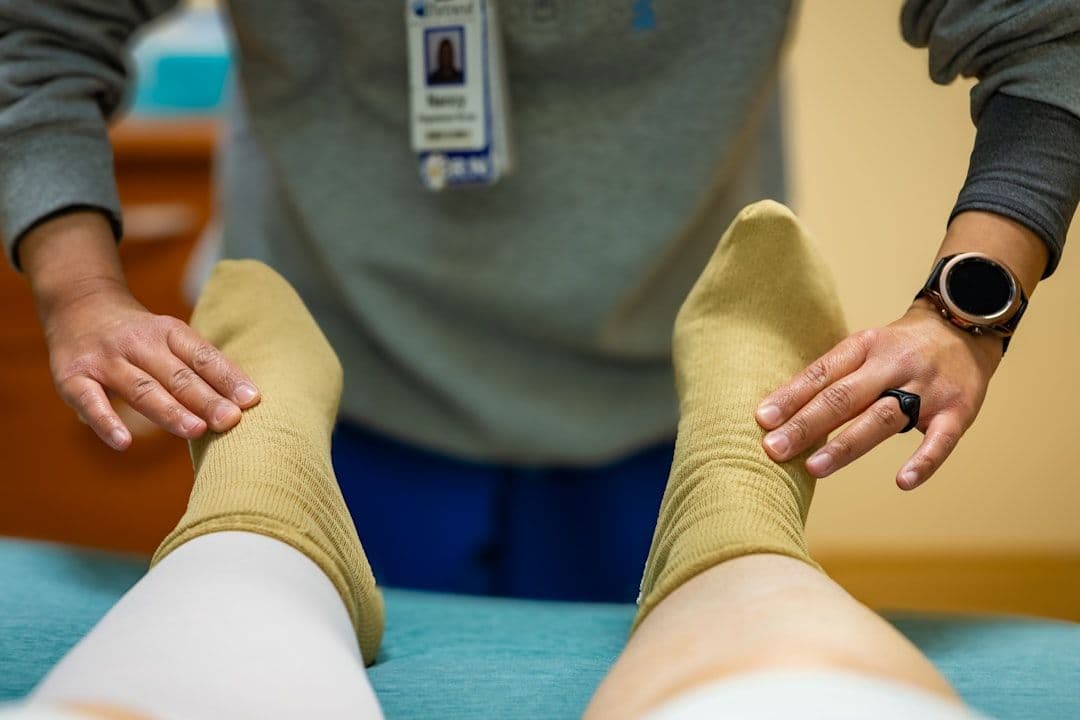
Your limbs are measured at several specific points — ankles, calves, knees, or arms — to determine the correct compression level and garment size needed for effective, comfortable treatment.
Your provider fits you with a compression garment, bandage wrap, or pneumatic compression device. They adjust the fit carefully so pressure feels snug but never painful, and check in with you throughout.
Once in place, you relax while the compression does its work. If using a mechanical pump device, you'll feel rhythmic squeezing and releasing around the limb, which most people find surprisingly soothing.
Your provider checks in periodically to make sure you're comfortable, the device is functioning correctly, and your skin and circulation are responding well. Sessions typically last 30 to 60 minutes.
The garment or device is removed and your provider inspects the skin for any redness or pressure marks, confirms circulation looks good, and answers any questions you have about how the session went.
You leave with clear guidance on how to put on and care for any take-home garments, what sensations are normal afterward, and a recommended schedule for follow-up sessions to support your progress.
The Evidence
What research says about compression therapy, where the evidence is strongest, and what to consider before starting.
One of the better-supported physical health modalities
Compression therapy has a substantial body of clinical research behind it, particularly for venous and lymphatic conditions. Evidence is strongest in medical settings, with well-established protocols and consistent findings across systematic reviews and randomised controlled trials.
Multiple systematic reviews and randomised controlled trials support its use for chronic venous insufficiency, lymphedema, and venous leg ulcer healing. Evidence for deep vein thrombosis prevention during immobility is also well-established. Support for athletic performance enhancement is more mixed, though recovery benefits are reasonably documented.
External pressure narrows superficial vessels, increasing venous return and supporting lymphatic drainage. This reduces fluid accumulation, aids oxygen delivery to tissues, and may assist removal of metabolic waste. These mechanisms are well understood and underpin its use in both acute and long-term care settings.
Evidence of bandaging for leg conditions appears in Roman and Egyptian records. Modern compression therapy developed through the 18th and 19th centuries alongside growing understanding of the circulatory system. The introduction of graduated elastic garments in the mid-20th century made long-term use practical and standardised.
People with peripheral artery disease, heart failure, diabetes, or circulatory disorders should consult a healthcare provider before use, as inappropriate pressure can worsen these conditions. Garments should be properly fitted by a trained professional. Monitor for numbness, colour changes, or increased pain, and remove compression immediately if these occur.
Severe arterial insufficiency, acute skin infections in the treatment area, and severe heart failure are recognised contraindications. Known allergy to garment materials is also a consideration. A vascular assessment is essential before starting if any of these factors may apply — this is not a modality to self-select without professional input in complex cases.
Pressure levels are measured in millimetres of mercury and vary by condition and individual need. Medical-grade compression should be selected and fitted by a qualified practitioner. For lymphedema and venous ulcers in particular, compression is typically part of a broader care plan rather than a standalone approach.
Safety first
General guidance to help you decide whether this approach is appropriate for you. This is informational only and not a substitute for medical, psychological, or professional advice.
If you are pregnant, managing a health condition, recovering from injury or surgery, or taking medication, consult a qualified healthcare professional first.
Some situations call for extra care or a different approach. Share any conditions, injuries, or sensitivities with your practitioner before your first session.
Look for clear boundaries, transparent pricing, and practitioners who avoid fear-based claims or pressure to book frequent sessions.
Mild, short-lived effects such as tenderness, tiredness, or temporary soreness can occur. Rest, hydrate, and tell your practitioner how you respond.
For you?
A simple, human way to weigh it up. This is general guidance, not personal medical advice — a qualified practitioner can advise on your situation.
Gyfts is a discovery platform, not a medical provider. Nothing here diagnoses, treats or replaces professional care. In an emergency, contact your local emergency number.
Explore approaches
Other practices people often explore alongside compression therapy.
In their words
FAQ
A compression therapy session begins with assessment and measurement of the affected area. Your practitioner will then apply appropriate compression through garments, bandages, or pneumatic devices. For pneumatic compression, you'll relax while the device applies sequential pressure cycles. Sessions typically last 30-60 minutes, and you'll receive education on proper use and care of compression materials.
Treatment duration varies significantly based on your condition and goals. Acute swelling may improve within days to weeks, while chronic conditions like lymphedema require ongoing management. Athletic recovery might involve sessions after training or competition. Your practitioner will develop a personalized plan and adjust frequency based on your response to treatment.
Properly applied compression therapy should not be painful. You may feel pressure or tightness initially, which typically becomes more comfortable as you adjust. Medical-grade compression is graduated, with highest pressure at the extremity. Any severe pain, numbness, or color changes indicate improper application and require immediate attention.
Many people can exercise while wearing compression garments, and some athletes use them specifically to enhance performance and recovery. However, it's important to choose appropriate compression levels and garment types for activity. Consult your practitioner about exercise guidelines specific to your condition and compression prescription.
Compression therapy has the strongest evidence for venous conditions — chronic venous insufficiency, varicose veins, venous leg ulcers, and deep vein thrombosis prevention. Graduated compression stockings are a first-line, evidence-based treatment for these conditions in clinical guidelines. Compression is also the primary treatment for lymphoedema alongside manual lymphatic drainage. Sports compression (worn during or after exercise) has moderate evidence for delayed onset muscle soreness reduction and perceived recovery. Medical-grade compression requires fitting by a trained professional to ensure appropriate pressure gradient.
References
Educational sources that inform this overview. Inclusion is for context and does not imply endorsement.
Full citations are maintained by the Gyfts editorial team and reviewed periodically.
Keep exploring
Browse practitioners, explore honest overviews, and take what you learn to a conversation — at your own pace.