Before the Session: What to Expect
A few days before your appointment, you might notice a quiet anticipation settling in, especially if you've been managing persistent pain or stiffness. You may find yourself unconsciously tensing the area you plan to address—a shoulder that won't quite relax, or a lower back that tightens when you bend. This is normal. Sports Therapy begins before you even arrive at the clinic, in the awareness that something needs attention.
In the hours leading up to your session, avoid heavy exercise or strenuous activity; you want your body relatively fresh, not fatigued. Eat a light meal an hour or two beforehand so you're not hungry or uncomfortably full during hands-on work. Drink water throughout the day. Mentally, there's often a mixture of hope and mild apprehension: hope that this might finally ease that nagging ache, and perhaps some uncertainty about what the session will actually involve. It's worth jotting down any questions beforehand—details about when pain started, what makes it better or worse, your activity goals, and any previous injuries or medical conditions. Your therapist will ask these, but having them front-of-mind helps you communicate clearly.
Arriving and Setting the Scene
You step into a calm, welcoming clinical space—typically quieter and more understated than a spa, but warm and professional. There's often the faint scent of hand sanitiser or a neutral herbal air, and soft background music or simply the quiet hum of normalcy. A receptionist greets you kindly and hands you a clipboard with intake forms: medical history, current symptoms, medication, activity level, what you hope to achieve.
Taking time to fill these out honestly is important. You're asked to rate your pain on a 0-10 scale, describe the quality of sensation (sharp, dull, aching, burning), and mark where it hurts on a body diagram. This feels thorough, and it is—your therapist uses this baseline to measure progress and tailor their approach.
You're then invited into a treatment room, usually private and calm, with a massage table or treatment couch. A qualified Sports Therapist greets you with genuine warmth and briefly explains what they've learned from your forms, asking clarifying questions. They might ask you to stand or move in simple ways—walking a few steps, bending forward, rotating your shoulders—to observe how your body moves and where restrictions appear. There's no judgment in these movements, simply keen observation. This assessment phase might feel surprisingly insightful; you may notice things about how you move that suddenly make sense of your discomfort.
During the Session
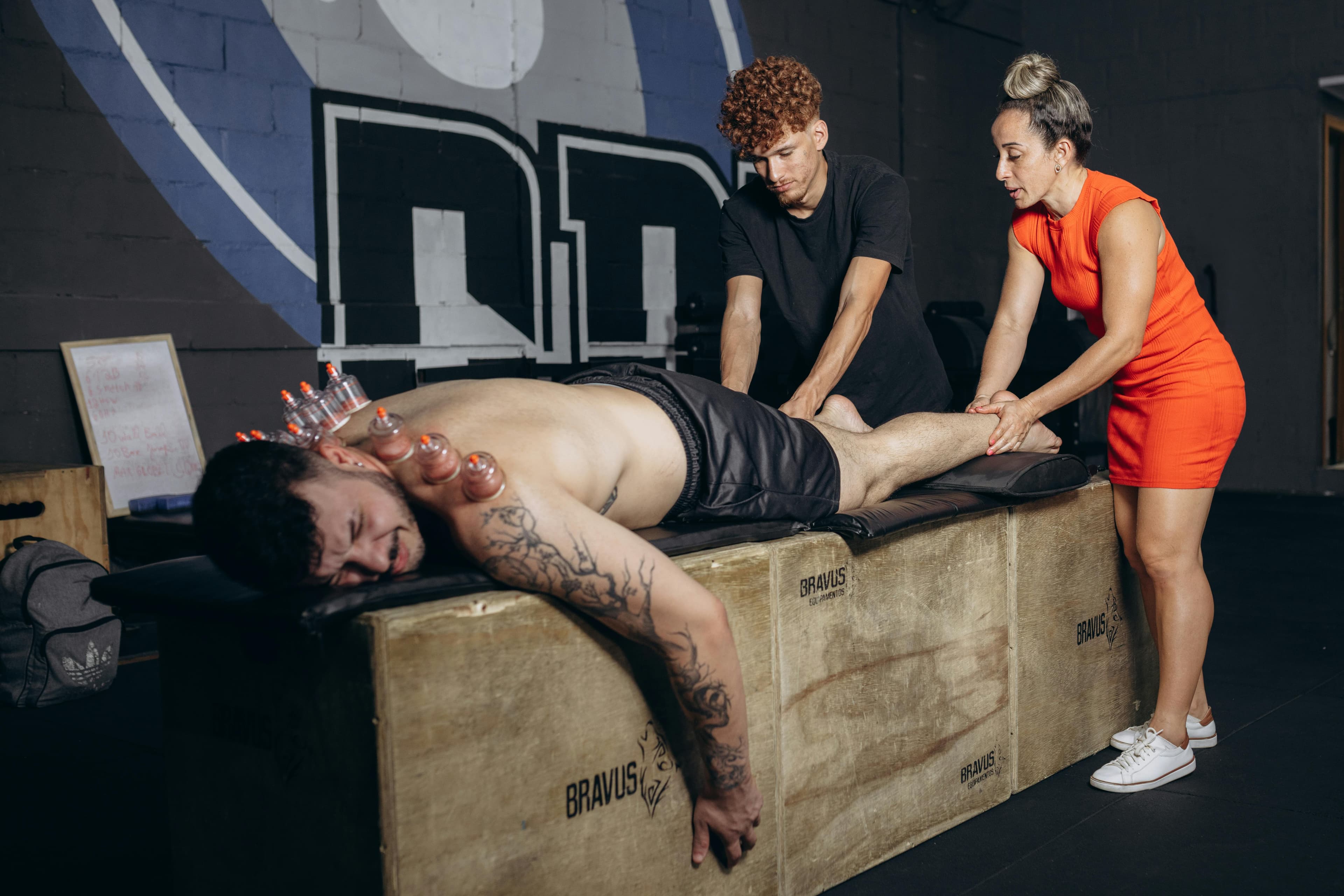
As the hands-on work begins, there's an immediate sensation of attention being directed to your body. Your therapist's hands are warm, their touch deliberate but not aggressive. If you're receiving soft tissue work to a tight muscle, you might feel gentle, sustained pressure—sometimes deepening into what feels like a therapeutic ache, the kind that makes you think, 'Yes, that's exactly where it hurts.' This isn't pain; it's a sensation that registers as both uncomfortable and somehow correct, as though the therapist has found the exact spot your body has been holding tension.
During massage or mobilisation, you may notice your breathing naturally deepens. Your therapist might ask where your pain sits on the 0-10 scale as they work, adjusting pressure accordingly. Occasionally they'll pause to ask, 'How's that?' giving you full agency to guide intensity. The atmosphere is focused but unhurried. There's often a surprising sense of relief even during the session—a tight knot beginning to soften, a stiff joint moving with slightly more ease.
Partway through, your therapist might transition to teaching you specific exercises or stretches relevant to your condition. They'll demonstrate each movement carefully, watching as you perform it, offering small adjustments to ensure proper form. These exercises may feel simple—a core strengthening hold, a targeted stretch, a controlled movement pattern—but their specificity matters. Your therapist explains the purpose: 'This strengthens the muscles that have become weak, which reduces stress on the injured structure.' You're learning, not simply receiving treatment.
The session typically lasts 45-60 minutes. By the end, there's often a palpable shift: your neck moves with greater ease, your lower back feels less rigid, the tightness in your shoulders has noticeably softened. Your therapist summarises what they found, explains their approach, and hands you a written plan of exercises to perform at home, usually 3-5 times per week. This take-home element is crucial; lasting improvement depends on your consistent effort between sessions.
How You May Feel Afterwards
Immediately after your session, there's often a pleasant, almost euphoric sense of relief. That stiffness is gone, at least for now. You might feel slightly looser, more mobile, as though your body has remembered how to move differently. Some people describe a gentle lightness or a reduction in the constant background tension they've grown so accustomed to that they'd almost forgotten it was there.
Over the following hours and days, you'll likely feel the benefits most when you remember to do your home exercises. Consistency matters deeply. If you perform the prescribed stretches and strengthening work as instructed, improvement tends to be noticeable within one to three weeks—less pain during specific movements, improved range of motion, better posture without conscious effort. If you forget to do the exercises, progress slows.
Some people experience mild soreness 24-48 hours after their first session, similar to the feeling after starting a new exercise routine. This is your body responding to the work; it's temporary and typically resolves quickly. Occasionally, if chronic tension has been significant, you might feel slightly fatigued the day after, as though your nervous system is recalibrating. This, too, is normal and brief.
Over weeks and months of regular sessions combined with home practice, the benefits deepen. Pain that interrupted sleep may ease, allowing better rest. Activities that were restricted—bending, lifting, walking distances—gradually become possible again. The key to sustained improvement is the partnership: your therapist provides expertise and hands-on support, but you drive the recovery through consistent home exercise and mindful movement. This collaborative process often feels empowering; you're not passively receiving treatment but actively participating in your own healing.
Is It Right for You?
Sports Therapy can be valuable whether you're an athlete recovering from injury, an office worker managing chronic neck and back strain, or someone dealing with postural dysfunction and muscle tension. It's a hands-on, evidence-informed approach that may support recovery and restore function when used alongside conventional medical care.
Sports Therapy works best when you're willing to engage actively—attending sessions regularly, performing home exercises consistently, and communicating openly with your therapist about how you're progressing. If you prefer purely passive treatment with no home responsibility, this may not be the right fit. If you've experienced sudden severe pain, unexplained neurological symptoms (numbness, weakness, tingling), or significant trauma, consult your doctor before pursuing Sports Therapy; some conditions require medical investigation first.
If you have a chronic condition like lower back pain, tendon issues, or muscle tension that conventional approaches haven't fully resolved, or if you're aiming to return to activity safely after injury, Sports Therapy offers a structured, evidence-supported pathway. The sensory experience of being heard, assessed carefully, and given specific tools to improve your own function often feels genuinely transformative. The relief of immediate reduction in pain is real, and the deeper satisfaction of progressive improvement through your own effort is lasting.
Ultimately, the best way to know if it's right for you is to book an initial consultation with a qualified practitioner, ask questions, and trust your instinct about whether their approach and presence feel supportive. Your body will tell you if this practice is serving its healing.