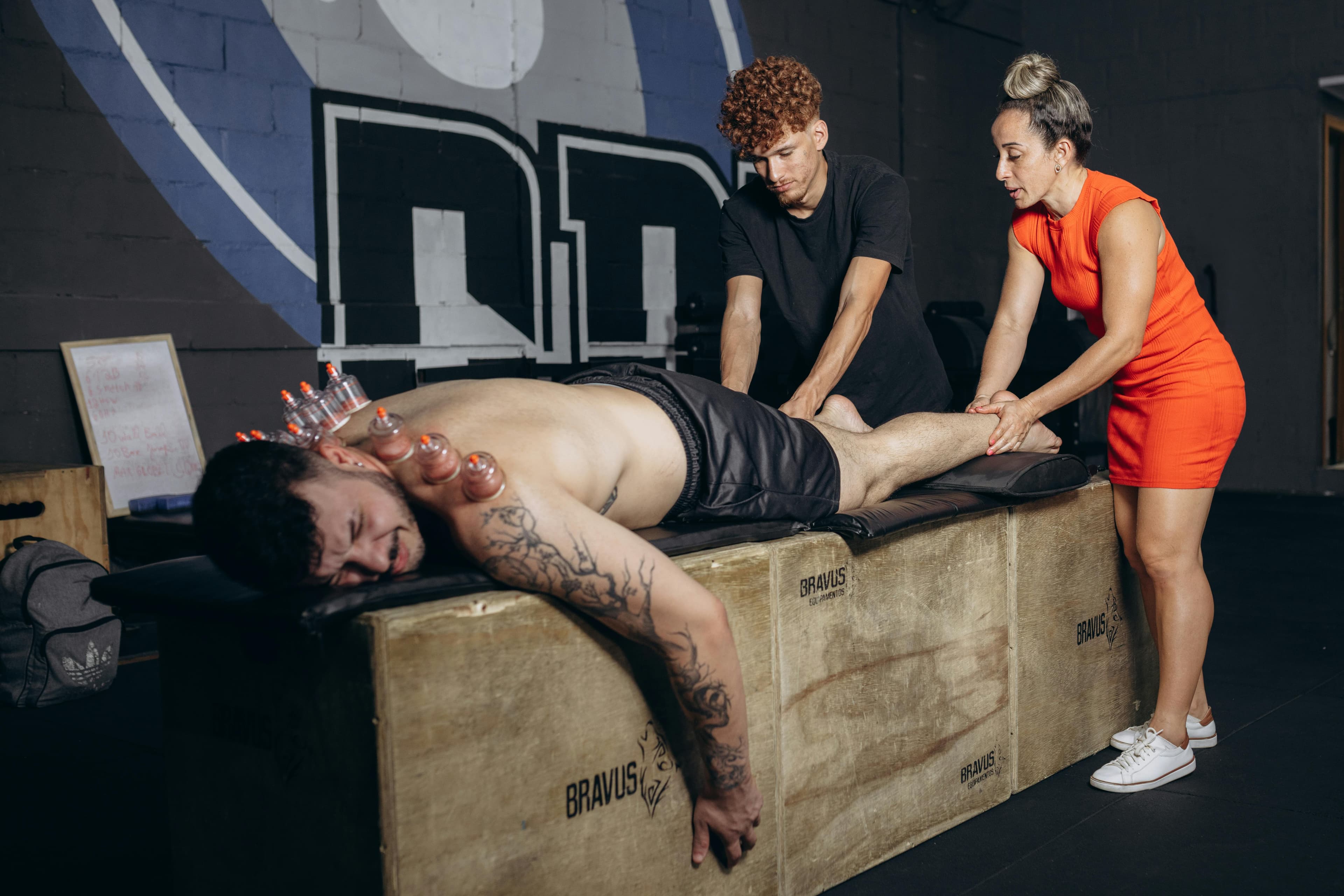
Why Practitioners Choose This Modality
I became a Sports Therapist because I witnessed firsthand how structured, evidence-based rehabilitation transforms people's relationship with their bodies. Unlike passive treatments, Sports Therapy empowers clients to actively participate in their recovery. The work is deeply rewarding: you see someone progress from pain and limitation to restored confidence and capability.
What drew me to this field was the science. Sports Therapy sits at the intersection of biomechanics, exercise physiology, and clinical assessment. We use objective measures—strength tests, movement screens, range-of-motion checks—to guide our decisions. This means every program is tailored, never generic.
I also appreciate that Sports Therapy addresses root causes. A client might come in with knee pain, but assessment reveals weak glutes and poor movement patterns. We don't just manage symptoms; we identify and correct the underlying imbalance. That's why outcomes are often lasting. Many of my clients report that after completing a program, they've learned habits and awareness that keep them injury-free long-term.
Finally, this modality keeps practitioners engaged across different populations. I work with competitive athletes, weekend warriors, office workers with postural pain, and older adults wanting to stay active. Every day presents unique challenges and the satisfaction of solving movement puzzles.
What Clients Typically Experience
In my first session with a new client, I conduct a thorough assessment. People often expect immediate relief, but I explain that understanding the injury is our first priority. This might feel uncomfortable—we're testing movement, identifying weak points, sometimes reproducing pain momentarily—but it's essential for the right diagnosis.
Once treatment begins, clients typically feel relief quite quickly, often within the first few sessions. Manual therapy—soft tissue work, mobilisation, stretching—tends to provide immediate improvements in stiffness and mobility. That early progress builds momentum and motivation.
However, the real transformation happens through the exercise program. I give clients homework—progressive strengthening, mobility drills, sometimes activity modifications. Clients who commit to these see the most dramatic improvements. Those who do exercises consistently often report less pain, improved confidence, and better movement quality within 3-4 weeks.
I also notice patterns in what clients experience psychologically. Early on, many are anxious about re-injury or feel frustrated by activity limitations. As they progress and understand their injury better, anxiety drops. They learn that pain isn't always a warning sign—sometimes it's just inflammation or stiffness. This cognitive shift is profound and often changes their entire approach to recovery and future injury prevention.
One common observation: clients are surprised by how much their movement quality affects pain. A slight postural correction or slight adjustment to exercise technique can shift pain dramatically. This reinforces that the body is responsive and that consistent, small improvements compound into significant results.
Common Misconceptions
The biggest misconception is that Sports Therapy is only for athletes. This couldn't be further from the truth. The principles—progressive loading, individualized assessment, movement correction—benefit anyone with musculoskeletal pain or dysfunction. I work with desk workers, retirees, and people managing chronic conditions. Sport Therapy is about restoring function and quality of life, not just athletic performance.
Second, many believe Sports Therapy replaces medical diagnosis. It doesn't. A sports therapist is not a doctor and cannot diagnose conditions like fractures or serious pathology. If I suspect something beyond my scope, I refer clients back to their GP. We work alongside medical professionals, not instead of them. This is crucial: if someone has unexplained pain, progressive symptoms, or recent serious injury, medical clearance comes first.
Third, some think a single treatment will fix an injury. While one session might provide temporary relief, lasting change requires consistency and time. Tissue healing has biological timelines. A muscle strain takes weeks; a tendon takes months. If I promise a quick fix, I'm being dishonest. What I can promise is a clear plan and measurable progress.
Finally, people often assume pain means they shouldn't exercise. Actually, the opposite is true. Graded, appropriate movement is therapeutic. The key is finding the right intensity and progression. I teach clients to distinguish between pain that's part of healing and pain that signals harm. This distinction is empowering and enables people to trust their bodies again.
Advice for First-Timers
If you're considering Sports Therapy, here's my guidance. First, be honest about your goals and history. Tell your practitioner everything—past injuries, current symptoms, what you hope to achieve. This context shapes the whole program. Don't minimize pain or symptoms hoping to seem tougher; that just limits treatment effectiveness.
Second, come with realistic expectations about timelines. Faster isn't always better; sustainable recovery beats quick fixes. Ask your practitioner for a rough estimate of how long improvement might take and what progress might look like. Good practitioners can predict fairly accurately based on injury type and your commitment.
Third, prioritize the home program. This is where most of the work happens. One session per week with a therapist means 6 days of home responsibility. Clients who do 80% of prescribed exercises progress three times faster than those who only rely on appointments. Treat exercises like brushing your teeth—non-negotiable.
Fourth, ask questions. Why this exercise? What should I feel? When can I return to my sport? A good practitioner welcomes questions and adjusts communication to your learning style. You should leave each session understanding your condition better than when you arrived.
Finally, be patient with discomfort during rehab. Some exercises might feel awkward or cause mild discomfort—that's normal and often necessary. However, sharp pain or increasing symptoms signal that something's wrong. Always communicate clearly with your practitioner about how you feel.
When to Seek Additional Support
While Sports Therapy is effective for many musculoskeletal conditions, some situations require additional medical support. If your symptoms persist despite consistent treatment after 8-12 weeks, or if they worsen, consult your GP or a consultant. Chronic conditions sometimes need imaging, specialist assessment, or other interventions alongside therapy.
If you experience neurological symptoms—numbness, tingling, weakness, or loss of bladder/bowel control—seek immediate medical attention. These suggest nerve involvement beyond typical rehabilitation scope. Similarly, if pain is severe, unexplained, or accompanied by systemic symptoms like fever or unexplained weight loss, medical evaluation is essential before or alongside Sports Therapy.
For complex cases—significant trauma, multiple injuries, serious underlying conditions, or if you take medications affecting healing—a multidisciplinary approach works best. Your practitioner, GP, and sometimes a specialist work together. Don't hesitate to request referrals or second opinions.
I also recommend seeking additional support if you have significant psychological barriers to recovery—fear, anxiety, or depression affecting your ability to engage in rehab. A sports therapist can work alongside a psychologist or counselor to address both physical and mental aspects of recovery.
Finally, if you're unsure whether Sports Therapy is right for your situation, start with your GP. They understand your full medical picture and can advise whether this modality is appropriate and safe for you. A qualified practitioner will always ask about your medical history, current medications, and any contraindications. This partnership between your therapist and your medical team ensures safe, effective, and comprehensive care.