What it is
A gentle hands-on therapy that listens to subtle body rhythms to support natural self-healing.
Gentle, relational bodywork working with the body's deepest self-healing intelligence
At a glance
What it is
A gentle hands-on therapy that listens to subtle body rhythms to support natural self-healing.
Why explore it
It may ease chronic pain, calm a stressed nervous system, and gently support trauma processing.
How it’s experienced
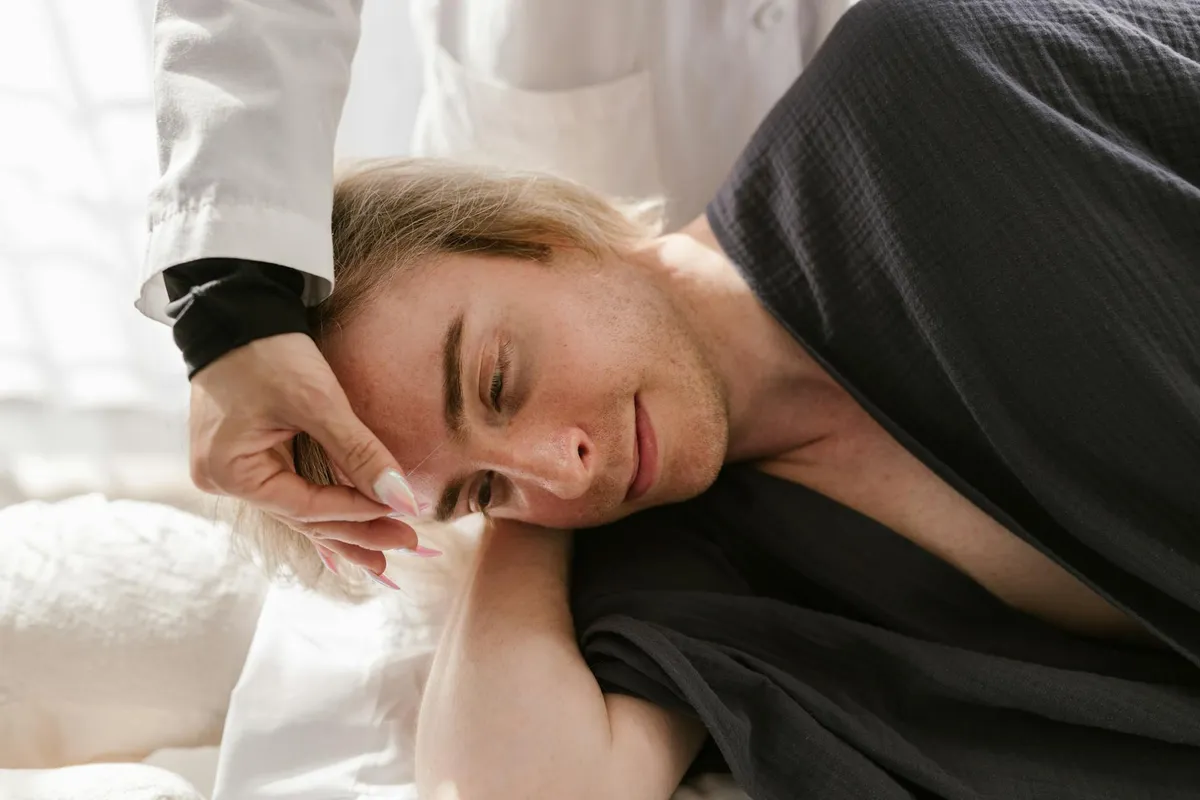
You rest fully clothed while a practitioner uses light touch; sessions last 45 to 90 minutes.
Evidence context
Research is limited, so treat it as a complement to conventional care rather than a primary treatment.
See the evidence snapshotSafety
Generally low-risk with a trained practitioner; always share any head injuries or neurological conditions.
See staying safeHistory & Origin
Biodynamic craniosacral therapy emerged from the osteopathic cranial tradition of William Garner Sutherland, developed into a distinct approach by Franklyn Sills and other teachers. BCST holds that health is always present and the role of the practitioner is to support the body's intrinsic healing intelligence. Practitioners work with three tidal rhythms: the cranial rhythmic impulse (CRI), the mid-tide, and the long tide — each reflecting progressively deeper expressions of the body's organising forces. Sessions involve very light touch, deep listening, and the facilitation of stillpoints where the system reorganises itself. BCST is used for trauma, chronic pain, stress, anxiety, headaches, and post-natal care.
Biodynamic Craniosacral Therapy (BCST) originated from the pioneering work of American osteopath Dr. William Garner Sutherland in the early 20th century. While studying the anatomy of the skull, Sutherland discovered that living tissues and cerebrospinal fluid express a subtle, involuntary rhythmic motion, which he termed the "Breath of Life." In his later years, Sutherland shifted from physically manipulating bones to listening to the body’s intelligent, self-correcting fluid forces. This concept of trusting an internal blueprint was further expanded by his student, Dr. Rollin Becker, who championed the idea that an inherent, uncorrupted health exists within every patient. By the late 20th century, osteopath Dr. James Jealous bridged this work with embryology, demonstrating that the fluid forces that shape an embryo continue to heal and regenerate the body throughout life, officially coining the term "Biodynamics." Finally, practitioner Franklyn Sills synthesized these osteopathic concepts with mindfulness practices, codifying BCST into a distinct, non-invasive therapeutic modality available to non-osteopaths that relies entirely on a gentle, non-directed touch to facilitate deep healing.
Top symptoms
Mechanism
Biodynamic Craniosacral Therapy is generally described as working through skilled touch, careful pacing, and the body's response to pressure, movement, warmth, or stillness. Practitioners may focus on muscle tone, joint comfort, circulation, breath, or relaxation depending on the method. Traditional explanations may also include energy flow or whole-person balance. Research support varies by modality, so the experience is best framed as supportive care with outcomes that vary. BCST practitioners work with the craniosacral system — the membranes and fluid surrounding the brain and spinal cord.
Your first visit
A typical session outline to help you feel prepared
A deeply still, hands-on session where a practitioner listens to your body's subtle fluid rhythms using feather-light touch to support your nervous system's natural capacity for balance.
Your practitioner will invite you to share what brings you in, any health history, and what you're hoping to experience. This gentle conversation helps them understand your nervous system's current st
You'll lie fully clothed on a padded table, usually on your back, with a bolster under your knees for comfort. No oils, no undressing — just a warm, quiet space where you can begin to settle and breathe.
The practitioner places their hands very softly, often beginning at your feet or the base of your skull, using a touch so light it's sometimes described as the weight of a nickel. This opening contact
Using refined sensitivity, your practitioner tunes into the subtle rhythmic movements of cerebrospinal fluid pulsing through your body. They are not manipulating tissue but rather listening, the way y
As still points or areas of tension or restricted flow are noticed, the practitioner's hands follow and gently support rather than force. You may feel warmth, gentle pulsing, tingling, or a wave of de
Moments of profound quiet called still points may arise naturally, where your system pauses and reorganizes. These can feel like a pleasant floating sensation or simply a deep, restful stillness, and
Near the end of the session, the practitioner uses gentle contact to help you feel grounded and present before slowly removing their hands. You'll be given quiet time to rest on the table before slowly sitting up.
Your practitioner will check in with you about what you noticed and offer guidance on what to expect over the next day or two, such as feeling spacey, emotional, or unusually tired as your body contin
The Evidence
What research says about Biodynamic Craniosacral Therapy, where evidence is limited, and how to interpret the available data.
Theoretical foundations contested; some subjective benefit reported
BCST's core anatomical premises are not supported by mainstream medical science, and no reliable method of measuring its proposed rhythms has been established. Some participants report subjective relief from pain and stress, though researchers note these effects may reflect relaxation and therapeutic presence rather than specific mechanisms.
Major reviews consistently conclude that rigorous trial data is lacking. Where positive outcomes appear — particularly for chronic pain, tension headaches, and fibromyalgia — researchers caution that effects may reflect non-specific factors such as relaxation, attentive touch, and therapeutic relationship rather than the proposed craniosacral mechanisms.
Standard anatomy holds that adult cranial sutures are fused and cannot be physically moved by light touch. Studies testing inter-rater reliability — whether two practitioners independently detect the same rhythm in the same person — have produced poor results. These findings raise significant questions about the physical basis of the therapy's proposed mechanisms.
Rooted in William Garner Sutherland's early 20th-century osteopathic observations, the biodynamic model was later shaped by Rollin Becker, James Jealous, and Franklyn Sills. It holds that embryological organising forces continue to express health throughout life. These are conceptual frameworks developed within a practitioner tradition, not claims validated by controlled research.
As a complementary modality, BCST is typically sought by people looking for gentle, relational bodywork to support nervous system regulation, stress reduction, or trauma processing. It is not a substitute for professional assessment of structural, neurological, or systemic conditions, and should not delay appropriate medical attention.
Serious adverse events are rarely reported. However, people with recent head or spinal injury, active intracranial conditions, or blood clotting disorders should consult a qualified medical professional before receiving any craniosacral work. Those with trauma histories should ensure their practitioner has appropriate training in trauma-informed approaches.
BCST is not uniformly regulated. Training depth, professional affiliation, and scope of practice differ widely by region. Look for practitioners with recognised biodynamic-specific training, professional membership, and clear communication about what the therapy can and cannot offer. Be cautious of inflated outcome claims or suggestions that BCST can replace medical assessment.
Safety first
General guidance to help you decide whether this approach is appropriate for you. This is informational only and not a substitute for medical, psychological, or professional advice.
If you are pregnant, managing a health condition, recovering from injury or surgery, or taking medication, consult a qualified healthcare professional first.
Some situations call for extra care or a different approach. Share any conditions, injuries, or sensitivities with your practitioner before your first session.
Look for clear boundaries, transparent pricing, and practitioners who avoid fear-based claims or pressure to book frequent sessions.
Mild, short-lived effects such as tenderness, tiredness, or temporary soreness can occur. Rest, hydrate, and tell your practitioner how you respond.
For you?
A simple, human way to weigh it up. This is general guidance, not personal medical advice — a qualified practitioner can advise on your situation.
Gyfts is a discovery platform, not a medical provider. Nothing here diagnoses, treats or replaces professional care. In an emergency, contact your local emergency number.
Explore approaches
Other practices people often explore alongside biodynamic craniosacral therapy.
In their words
FAQ
Biodynamic CST (Franklyn Sills lineage) emphasises stillness, relational presence, and working with the body's inherent health rather than the biomechanical correction approach of Upledger CST. It works with subtler rhythmic expressions and embryological principles.
You lie fully clothed on a treatment table. The practitioner uses very light touch — primarily at the head, sacrum, and feet — to listen to subtle rhythmic motions. Sessions are deeply restful and often involve periods of profound stillness.
Commonly used for chronic pain, trauma resolution, stress, anxiety, headaches, migraines, TMJ issues, post-natal recovery, and as general nervous system support.
References
Educational sources that inform this overview. Inclusion is for context and does not imply endorsement.
Full citations are maintained by the Gyfts editorial team and reviewed periodically.
Keep exploring
Browse practitioners, explore honest overviews, and take what you learn to a conversation — at your own pace.